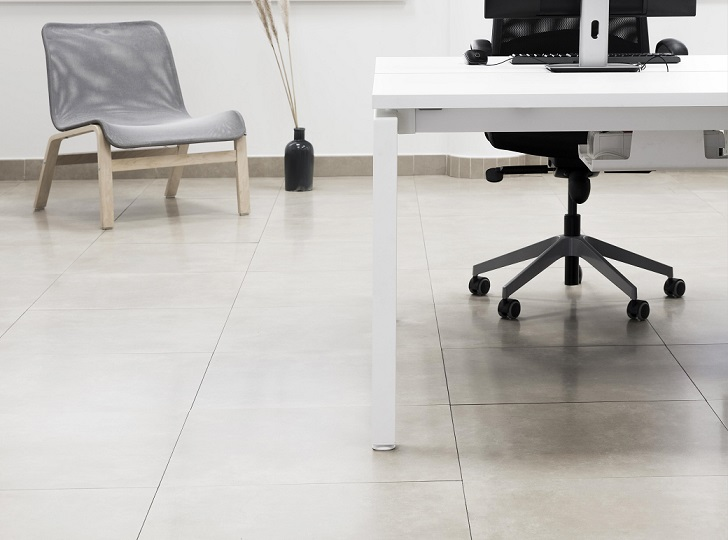



When shopping for furniture, we often focus on the price tag. Especially at first glance, attractive promotions, discounts, or affordable products can be appealing. However, since furniture is a long-term investment, not a short-term one, the most important question here is:
Am I buying truly high-quality furniture, or am I opting for a cheap product?
In this article, we will examine in detail how to distinguish quality furniture from cheap furniture, under headings such as materials, workmanship, durability, design, and brand reliability.
1. Material Quality is Everything
The durability of furniture is directly related to the materials used. Inexpensive furniture often uses particleboard, low-density MDF, or cardboard panels. While these materials may look aesthetically pleasing in the short term, they deform rapidly when exposed to moisture, weight, or impact.
What constitutes quality furniture?
-
Generally solid wood, They are manufactured from durable materials such as high-density MDF or plywood.
-
Metal fittings and high-quality screw fastening systems are used.
-
Drawer rails, hinges, and feet are selected to ensure longevity.
📌 Clue: Always inquire about the material content before purchasing the product. The term "solid" indicates that real wood has been used.
2. Craftsmanship is hidden in the details.
One of the best ways to recognize quality furniture is to look at the details. Corner joints, screw locations, edge banding, and surface finish offer clues.
Cheap furniture typically includes:
-
The edges aren't properly glued, and peeling will begin over time.
-
Drawers don't close properly or the rails get stuck.
-
The varnish or paint is not applied properly; there are irregularities on the surface.
As for quality furniture:
-
The joints are smooth., It leaves no room for doubt.
-
The rails and hinges operate quietly and smoothly.
-
The color tones and textures are homogeneous.
3. Design is not just about aesthetics.
Cheap furniture is often mass-produced for sale in large quantities. Therefore, ergonomics, proper sizing, and long-term usability are often overlooked. For example, a very stylish-looking armchair might cause back pain after a few months.
In the case of quality furniture:
-
The design is both aesthetically pleasing and ergonomic.
-
Functional details are given importance: Features include hidden drawers, easy assembly, and a modular system.
-
Measurements based on extensive spatial analysis are preferred.
This difference is particularly office furnitureThis is evident in the following: A non-ergonomic desk or chair can reduce productivity.
4. Weight and Balance are Important
A simple test: Gently push or press down on the furniture. Poor quality furniture is often unstable, wobbles, or makes noise.
How can you identify quality furniture?
-
It is balanced and distributes its weight evenly.
-
It sits firmly on the ground and doesn't wobble.
-
It has a high weight-bearing capacity.
📌 Clue: Especially for items like bookshelves, desks, and wardrobes, don't make a purchase without performing this test.
5. Price-Quality Balance
Not all expensive furniture is of high quality. But remember this: truly high-quality furniture can't be "very cheap" either. Because good materials, workmanship, and design come at a cost. Cheap furniture often breaks, fades in color, or requires repair within the first few years. This leads to problems in the long run. extra cost It means...
Is it possible to find affordable yet high-quality furniture?Yes, you can get high quality at a more affordable price by reducing intermediary costs, especially if you shop directly from manufacturers or boutique brands. However, you must still consider the criteria mentioned above.
6. Warranty and Service Support
Poor quality products often don't come with warranties or after-sales service. It's difficult to find someone to contact if you experience a problem after a purchase.
But it's a quality brand:
-
It offers a warranty period.
-
It provides spare parts and service.
-
They take after-sales support seriously.
📌 Clue: Especially with modular furniture, spare parts availability is crucial. Don't make a purchase without getting information on this matter.
7. Brand Reliability and Origin
Furniture produced in specific geographical regions, particularly in Europe, is generally considered more reliable in terms of quality. Italian, German, and Scandinavian furniture are symbols of quality and design worldwide.
Also well-known brands:
-
It complies with specific production standards.
-
It offers certified and sustainable products.
-
It participates in design awards and global projects.
If you don't have information about the product's brand, customer reviews and user experiences can guide you.
8. Endurance Test: Time
Ultimately, the quality of furniture reveals itself over time. Quality furniture:
-
It can be used for years without deteriorating.
-
It retains its color, shape, and comfort.
-
It can be repaired and reassessed if necessary.
Cheap products either need to be replaced or end up in the trash within a few years.
Conclusion: Recognize Quality, Invest Wisely.
When choosing furniture, don't just look at the price tag; materials, workmanship, design and service Factors such as these should also be considered. If you want to create a long-lasting, healthy, and aesthetically pleasing living space; Invest in quality furniture instead of cheap furniture. That's the right decision.
Quality-focused brands like Kavela offer not only style, but also... durability, sustainability and long-term value It offers. This choice you make for your home or office directly affects your quality of life.