
Doctor's Furniture, What Should a Clinic Be Like?
The healthcare sector is one of the areas where trust is most critical. From the moment a patient steps into a clinic, the doctor's expertise is just as important as... the layout of the place, the quality of the furniture and the overall atmosphere This determines the first impression. Therefore, doctor's furniture and clinic design are not just an aesthetic matter; they are a strategic element in terms of patient psychology, hygiene, efficiency, and corporate identity.
This comprehensive guide details what a clinic should be like, the criteria for selecting doctor's furniture, and how choosing the right furniture can improve both patient satisfaction and working comfort.
Why is Clinical Design So Important?
Clinics are often places where patients visit feeling stressed and anxious. A well-designed clinic reduces this anxiety, builds a sense of security, and positively influences patient-doctor communication.
Araştırmalar, düzenli ve profesyonel tasarlanmış kliniklerde hasta memnuniyetinin %25’e kadar arttığını göstermektedir.
Furniture is central to this experience. Incorrectly chosen, non-ergonomic, or low-quality furniture can both reduce the doctor's efficiency and create a negative impression on the patient.
What is Doctor Furniture?
Doctor's furniture encompasses all furniture products specifically designed for the healthcare sector, used in examination rooms, doctor's offices, patient reception areas, and waiting rooms.
Main Doctor Furniture Items
- Doctor's desk and work unit
- Examination table
- Doctor and patient chairs
- Cabinets and archive units
- Waiting area seating groups
All of this furniture must be hygienic, ergonomic, durable, and easy to clean.
::contentReference[oaicite:1]{index=1}
What should an ideal clinic be like?
1. Hygiene Should Be a Priority
Hygiene is a cornerstone of design in clinics. It is crucial that furniture surfaces are antibacterial, easy to wipe clean, and resistant to dirt.
- Lacquered or compact laminate surfaces
- Designs with minimal joint spacing.
- Wipeable, stain-resistant upholstery.
2. Ergonomics and Doctor Comfort
Doctors spend a large part of the day standing or at a desk. Therefore, doctor's desks, chairs, and storage units should be designed ergonomically to support body health.
Using a desk at the wrong height or a chair without lumbar support can lead to serious musculoskeletal problems in the long run.
3. An Atmosphere that Supports Patient Psychology
In clinical design, color choices and furniture form directly influence patient psychology. Instead of a cold and harsh environment, light tones, rounded corners, and simple lines should be preferred.
How to Choose Examination Room Furniture?
The examination room is the heart of the clinic. Both the doctor and the patient need to feel safe and comfortable.
Doctor's Desk
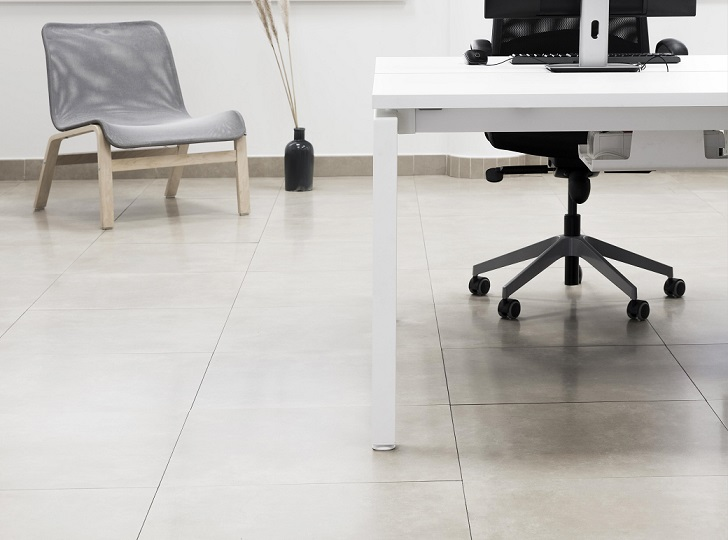
A doctor's desk should be organized, functional, and present a professional appearance. It should provide ample space for a computer, files, and medical equipment.
Examination Table
Examination tables should be easy to clean, durable, and designed with patient comfort in mind. Height-adjustable models offer advantages for both the patient and the doctor.
Patient Chairs
The chairs the patient sits on during the examination should not be hard, uncomfortable, or feel unsafe. Models that are easy to clean and have a simple design should be preferred.
Waiting Area: The Key to First Impressions
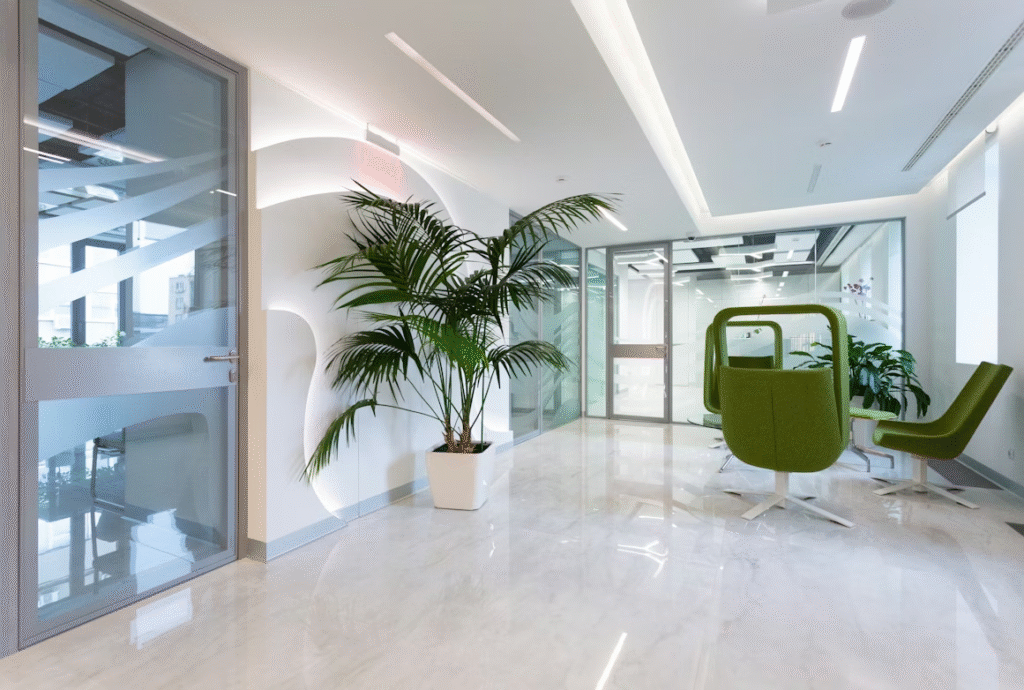
Patients' first impression of a clinic is formed in the waiting area. This area should be spacious, tidy, and have a calming atmosphere.
| The Right Choice | Its effect |
|---|---|
| ergonomic seats | Patient comfort increases. |
| Light-colored furniture | A feeling of freshness and security. |
| Regular layout | Stress decreases. |
The furniture used in the waiting area is one of the most important elements reflecting the clinic's corporate identity.
Common Furniture Mistakes in Clinics
- Use of household furniture in a clinical setting.
- Unhygienic fabrics and surfaces
- Large and bulky designs that take up space
- Prioritizing aesthetics over ergonomics.
These errors negatively impact both patient satisfaction and daily operational efficiency.
Hygiene + Ergonomics + Professional Design = A Clinic That Inspires Confidence
Conclusion: The Right Furniture, A Strong Clinic Image.
Doctor's furniture and clinic design are a silent yet powerful communication tool for a healthcare facility. Properly chosen furniture conveys the message to patients that "you are in the right place," while providing doctors and healthcare staff with an efficient, organized, and comfortable workspace.
It should be remembered that a modern clinic is not only about medical success, with spatial quality and professional design approach That makes a difference.
If you want to take your clinic to the next level, increase patient satisfaction, and build a strong professional image, you should think consciously, planfully, and with a long-term perspective when choosing doctor's office furniture.