
When choosing furniture, we all pay attention to aesthetics, durability, and ease of use. However, the basis of these features lies in the materials used. furniture materials It lies there. A table, chair, or cabinet stands out not only with its design but also with the material it is made of. In this article, materials used in furniture production, You will find the advantages, disadvantages, and tips for making the right choice.
Contents
-
Wooden Materials
-
Solid Wood
-
MDF
-
Chipboard
-
Plywood
-
-
Metal Materials
-
Steel
-
Aluminum
-
Iron and Cast Iron
-
-
Plastics and Synthetic Materials
-
ABS and Polypropylene
-
Acrylic
-
PVC
-
-
Glass and Ceramic Materials
-
Tempered Glass
-
Ceramic Surfaces
-
-
Upholstery Materials
-
Material
-
Leather and Artificial Leather
-
Sponges and Filling Materials
-
-
Hybrid and Next-Generation Materials
-
Composite Materials
-
Recycled Materials
-
Nanotechnology Coatings
-
-
Points to Consider When Selecting Materials
-
Area of Use
-
Durability
-
Price/Performance Balance
-
Ease of Maintenance
-
-
Conclusion
1. Wooden Materials
Solid Wood
The most valuable material in the furniture industry. solid wood, These are pieces of wood cut and processed directly from the tree. They are obtained from trees such as oak, walnut, beech, and pine.
-
Advantages: Durability, longevity, natural aesthetics, and a consistently stylish look.
-
Disadvantages: It is expensive, heavy, and susceptible to changes in humidity and temperature.
MDF
Produced by compressing wood fibers with resin under high pressure. MDF (Medium Density Fiberboard), It is one of the most widely used materials in the furniture industry.
-
Advantages: Smooth surface, suitable for painting, moderately priced.
-
Disadvantages: It is sensitive to water and heavy.
Chipboard
Hardboard, It is made by pressing wood chips. It is cheaper than MDF.
-
Advantages: It is economical and preferred in mass production.
-
Disadvantages: It has low durability and weak screw holding power.
Plywood
Formed by pressing thin layers of wood together. plywood, It is lightweight but strong.
-
Advantages: Flexibility, strength, various thickness options.
-
Disadvantages: It doesn't look as elegant as solid wood and requires special edge coating.
2. Metal Materials
Steel
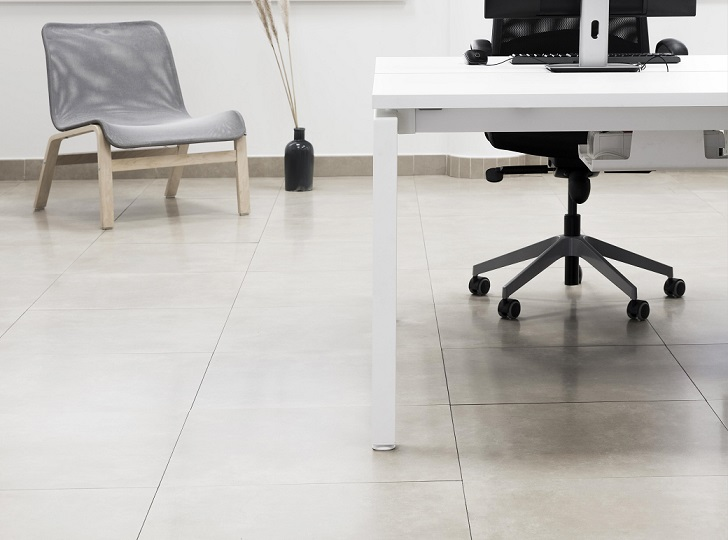
Especially office furnitureused in steel, It ensures durability and longevity.
-
Advantages: Corrosion resistant, modern look, high load capacity.
-
Disadvantages: A cold aesthetic, it's heavy.
Aluminum
Aluminum, It stands out for its lightness. It is preferred in folding chairs, tables, and outdoor furniture.
-
Advantages: Lightweight, rustproof, and easy to carry.
-
Disadvantages: It's not as strong as steel.
Iron and Cast Iron
Cast iron It is used especially in classic designs, in table legs.
-
Advantages: Durable, rustic, and classic look.
-
Disadvantages: Risk of rusting, heavy structure.
3. Plastics and Synthetic Materials
ABS and Polypropylene
Types of durable plastics ABS And PP, This is frequently seen in modern furniture.
-
Advantages: It is inexpensive, lightweight, and available in various colors.
-
Disadvantages: It doesn't provide a luxurious look and may lose its color in the sun.
Acrylic
Transparent acrylic is used in modern coffee table and chair designs.
-
Advantages: As elegant as glass, but more resistant to breakage.
-
Disadvantages: It's susceptible to scratches.
PVC
Used as a coating PVC, It makes furniture water-resistant.
4. Glass and Ceramic Materials
Tempered Glass
Used on tabletops and in display cases tempered glass, It provides safety by shattering when broken.
-
Advantages: Transparent, aesthetic, hygienic surface.
-
Disadvantages: Cold appearance, heaviness.
Ceramic Surfaces
Ceramic tiling is a trend in modern kitchen and table designs.
-
Advantages: Scratch-resistant and hygienic.
-
Disadvantages: It's expensive and fragile.
5. Upholstery Materials
Material
It is the most commonly used upholstery material for armchairs, chairs, and bed headboards.
-
Advantages: Various patterns and color options, comfort.
-
Disadvantages: It can stain easily and requires regular maintenance.
Leather and Artificial Leather
Used in luxury furniture genuine leather, It is long-lasting. Faux Leather However, it is a more economical alternative.
Sponges and Filling Materials
Determining seating comfort sponge, It is used in varying densities.
6. Hybrid and Next-Generation Materials
Composite Materials
Produced by combining wood, metal, and plastic. composite furniture, It stands out in modern designs.
Recycled Materials
With the sustainability trend, the use of recycled wood, plastic, and metal has increased.
Nanotechnology Coatings
For scratch-resistant and stain-resistant surfaces. nano coatings It is a common choice in modern furniture.
7. Points to Consider When Selecting Materials
-
Area of Use: Wood is more suitable for indoor use, while metal and plastic are better suited for outdoor use.
-
Durability: For frequently used furniture, solid wood and steel should be preferred.
-
Price/Performance Balance: Depending on the budget, MDF or particle board are ideal.
-
Ease of Maintenance: Leather or stain-resistant fabrics can be chosen instead of fabric upholstery.
8. Conclusion
When choosing furniture, one should consider not only the design but also the materials used. type of material, durability and ease of maintenance It is important to be careful. Solid wood is long-lasting but expensive; MDF is affordable but sensitive to water; metal is modern and durable; and plastic is practical and economical.
In short, choosing the right materials determines both the aesthetics and lifespan of your furniture. Whether you use it in your home or office, quality materials mean a quality living space.