








19 April 2026
MDF vs Solid Wood: Which Material Belongs Where
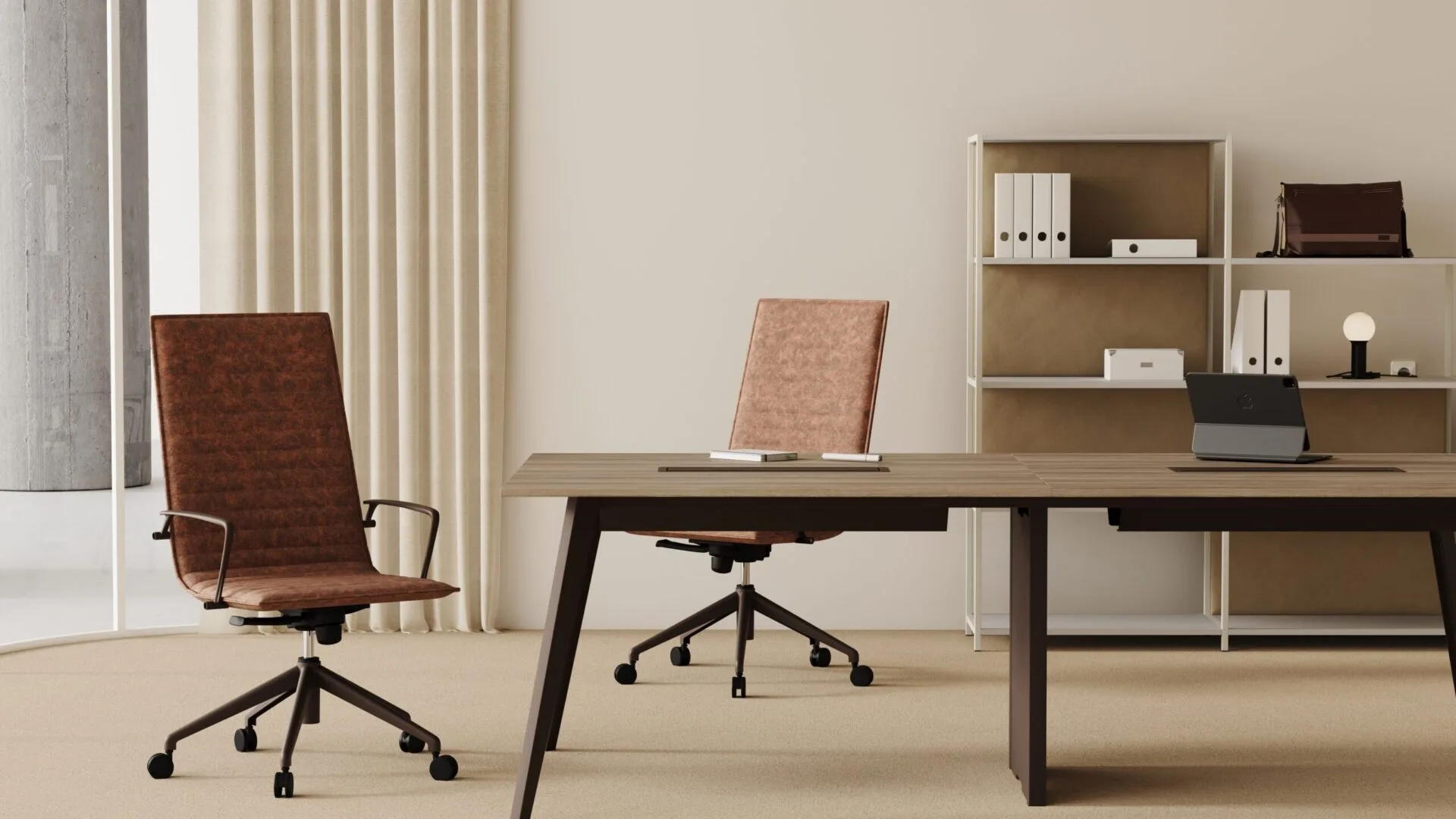
The decision between MDF vs solid wood furniture is one of the most fundamental choices a client faces when commissioning a custom piece. The internet is saturated with biased opinions, often driven by a retailer's inventory rather than a nuanced understanding of material science. One source will champion the flawless finish of MDF, while another will extol the timeless virtue of solid wood, leaving the consumer caught in a false dichotomy. The truth, from a design and fabrication perspective, is that there is no single 'better' material; there is only the right material for a specific application, budget, and aesthetic vision.
At Kavela, our approach is rooted in material honesty and functional precision. We believe an informed client makes the best decisions for their home. This guide serves as a neutral, editorial resource to demystify these two core materials. We will dissect their composition, compare their performance characteristics head-to-head, and provide a clear decision matrix for common furniture applications, from kitchen cabinetry to dining tables. By understanding where each material excels—and where it falls short—you can specify furniture that not only looks exceptional but performs flawlessly for years to come.
Understanding the Core Materials: What is MDF?
MDF, or Medium-Density Fiberboard, is an engineered wood product that has become a cornerstone of modern furniture manufacturing. It is not particleboard or chipboard, which have lower densities and structural integrity. MDF is created by breaking down hardwood or softwood residuals into fine wood fibers, combining them with a wax and a resin binder (typically urea-formaldehyde), and forming panels by applying high temperature and pressure. This process results in a material that is exceptionally dense, homogenous, and free from the natural imperfections like knots or grain variations found in solid wood.
The manufacturing process gives MDF its most defining characteristic: dimensional stability. Because it lacks a grain structure, it does not expand and contract with changes in atmospheric humidity and temperature to the same degree as solid wood. This stability makes it an ideal substrate for veneers, laminates, and, most notably, paint or lacquer. Its perfectly smooth, non-porous surface allows for a flawless, glass-like finish that is nearly impossible to achieve on natural wood without extensive and costly preparation. The material's consistency also allows for precise machining, enabling intricate profiles and clean, sharp edges.
Not all MDF is created equal. Different grades are available for specific applications. Standard grade is suitable for most dry, interior uses like shelving or cabinet carcasses. For environments with higher humidity, such as kitchens or bathrooms, Moisture-Resistant MDF (MR-MDF) is specified. This variant is manufactured with a moisture-repellent resin that provides enhanced protection against swelling. Additionally, specialized types like fire-retardant MDF or ultra-low formaldehyde emission boards (E0 or E1 grade) are available, addressing specific building codes and health considerations.
The Timeless Standard: What is Solid Wood?
Solid wood is precisely what its name implies: natural lumber milled directly from felled trees. Unlike MDF, it is not an engineered composite but a pure, organic material. Each piece is unique, defined by the tree's species, growth conditions, and the specific section from which the board was cut. This inherent variation is its greatest aesthetic strength, showcasing distinctive grain patterns, colors, and textures that tell a story of its origin. Common hardwoods used in high-quality furniture include oak for its strength and prominent grain, walnut for its rich, dark color, and ash for its flexibility and pale hue.
The journey from tree to tabletop is a critical process that determines the final quality of the furniture. After being milled, lumber must be properly dried to a specific moisture content (typically 6-8% for interior furniture) to minimize future warping, cracking, or splitting. This is most effectively done through kiln-drying, a controlled process that removes moisture evenly. The hardness of the wood, often measured on the Janka scale, dictates its resistance to dents and wear. For example, European Oak has a Janka rating around 1,360 lbf (pounds-force), making it an excellent choice for high-traffic items like dining tables, while a softer wood like pine is more susceptible to damage.
Responsible sourcing is a paramount concern in working with solid wood. Certifications from organizations like the Forest Stewardship Council (FSC) ensure that the timber is harvested from forests that are managed sustainably, protecting biodiversity and ecological balance. As designers and fabricators, we prioritize the use of certified lumber not only for its environmental benefits but also for the assurance of quality and ethical provenance that it provides. This commitment to sustainability is an integral part of creating heirloom-quality furniture that can be cherished for generations.
The 8 Key Differences: A Head-to-Head Comparison
Choosing between MDF and solid wood requires a clear-eyed assessment of their inherent properties. While aesthetics often drive the initial preference, functional characteristics like stability, durability, and repairability are what determine a piece's long-term success in a home. Understanding these eight fundamental differences is crucial for aligning the material choice with the intended use and lifestyle of the owner.
1. Stability and Movement
This is the most critical technical distinction. Solid wood is hygroscopic, meaning it absorbs and releases moisture from the air, causing it to expand and contract across the grain. Expert joinery techniques are required to accommodate this natural movement. MDF, being a homogenous composite, is dimensionally stable and exhibits minimal movement, making it ideal for large panels like wardrobe doors or for environments with fluctuating humidity where a solid wood panel might warp.
2. Durability and Lifespan
Solid wood is exceptionally durable and, if cared for, can last for generations. Its primary advantage is its repairability; scratches, dents, and stains can be sanded out and the piece refinished to look new. MDF is also strong and durable for its intended purpose, but it is more susceptible to damage from sharp impacts, which can crush the fibers. Once the surface is compromised, especially at the corners, repairs are difficult to execute seamlessly. A well-made solid wood piece has a lifespan of 30+ years, while an MDF equivalent is typically in the 10-15 year range.
3. Weight and Density
Counterintuitively, MDF is generally heavier and denser than most natural woods, including oak. A full sheet of 18mm MDF weighs approximately 35-40 kg. This high density contributes to its stability but also means that furniture made from it is very heavy. This weight must be accounted for in the design, requiring robust hardware, such as high-capacity drawer slides and hinges from trusted brands like Blum or Hafele, to ensure long-term functionality.
4. Surface Finish and Aesthetics
The aesthetic choice is clear-cut. Solid wood offers unparalleled natural beauty, with unique grain patterns that make each piece one-of-a-kind. It can be finished with oils or clear lacquers that enhance this natural character. MDF, in contrast, provides a perfectly inert and flawless canvas. Its lack of grain makes it the superior choice for opaque painted or lacquered finishes, achieving a uniform, monolithic appearance. It is also the ideal substrate for applying specialty surfaces like real wood veneers or high-performance laminates like Fenix NTM.
5. Moisture Resistance
Standard MDF performs very poorly when exposed to water; it will swell, bubble, and lose all structural integrity. While MR-MDF offers significantly better resistance, it is not waterproof. Solid wood, when properly sealed with a quality finish, can withstand moisture far better. However, prolonged exposure can still cause water stains or warping. In truly wet areas, neither material is ideal without specialized marine-grade finishes or construction.
6. Repairability
The capacity for renewal is a major advantage of solid wood. A damaged solid wood tabletop can be completely stripped, sanded, and refinished, erasing years of wear. Repairing MDF is far more challenging. Deep scratches or gouges cannot be sanded out. While they can be filled and painted over, achieving an invisible repair is an expert-level task. Water damage to MDF is typically irreversible.
7. Environmental Impact
The environmental calculus is complex. MDF is often made from recycled wood fibers and sawmill byproducts, reducing waste. However, the resins used can contain formaldehyde, a VOC (Volatile Organic Compound). Reputable ateliers exclusively use E1 or, preferably, E0 low-emission boards to ensure healthy indoor air quality. Solid wood is a renewable resource, but only when sourced from sustainably managed forests (e.g., FSC-certified). Unregulated logging contributes to deforestation, making responsible sourcing non-negotiable.
8. Cost
As a raw material, MDF is significantly more affordable than high-quality solid hardwood. The manufacturing processes for MDF furniture are also often more streamlined and less labor-intensive than traditional solid wood joinery. This results in a lower final cost for the consumer. However, this initial saving should be weighed against the longer lifespan and higher potential resale value of a well-crafted solid wood piece.
A Practical Cost Analysis: The Same Product, Two Materials
To make the cost difference concrete, let's analyze a common piece of custom furniture: a freestanding kitchen island with dimensions of 200cm length, 90cm width, and 92cm height, featuring three drawers and one cabinet. We will compare the approximate cost implications of constructing this piece primarily from lacquered MDF versus solid oak.
For the MDF version, the structure would be built from 18mm E1-grade MDF. The drawer boxes might use a standard MDF or a pre-laminated board, running on high-quality soft-close runners from a brand like Hafele. The doors and drawer fronts would be meticulously prepared and finished with a multi-coat polyurethane lacquer in a chosen color. The primary costs are the MDF sheets, the hardware, and the significant labor involved in the lacquering process, which requires a dedicated spray booth and multiple stages of sanding and coating. The estimated cost for such a piece would be in a certain range reflecting material and expert labor.
For the solid oak version, the cost structure shifts dramatically. The primary expense is the raw material itself; FAS (First and Second) grade solid oak lumber is substantially more expensive than MDF. The construction requires advanced joinery techniques—like mortise and tenon joints for the frame and dovetail joints for the drawer boxes—which are far more time-consuming and require a higher level of skill than assembling MDF panels. The finishing process involves extensive sanding through multiple grits followed by the application of a protective hardwax oil or a durable varnish. The final cost for the solid oak island could easily be two to three times that of its MDF counterpart, reflecting the premium on both materials and artisanal craftsmanship.
The Designer's Decision Matrix: Where Each Material Shines
The most effective way to resolve the MDF vs. solid wood debate is to abandon the 'versus' mindset and adopt a 'where' mindset. The choice is not about inherent superiority but about appropriate application. A professional designer selects materials based on a matrix of factors: the piece's function, its desired aesthetic, its location within the home, and the client's budget. This strategic approach ensures that every component performs optimally.
When to Specify MDF
MDF is the material of choice for applications demanding absolute stability and a perfect, uniform finish. It is the undisputed champion for painted kitchen and bathroom cabinetry, full-height wardrobe doors, and large-scale built-in media units or libraries. Its stability prevents the panels from warping over large spans, and its flawless surface is the only way to achieve a truly monolithic, high-gloss or matte lacquered look. It also serves as an excellent, stable substrate for applying high-quality wood veneers, allowing for the beauty of wood grain without the risk of movement.
When to Specify Solid Wood
Solid wood should be specified for high-contact, freestanding furniture where longevity, repairability, and natural character are paramount. It is the ideal material for dining tabletops, which endure daily use and may need refinishing in the future. The frames of chairs, sofas, and beds benefit from the strength and joinery integrity of solid wood. Coffee tables, sideboards, and chests of drawers—pieces that are often focal points and intended to become heirlooms—are prime candidates for solid wood construction.
Situations to Avoid Each Material
There are clear contraindications for each material. Standard MDF should never be used in areas with direct or persistent water exposure. Even MR-MDF has its limits and requires perfect sealing on all edges to prevent moisture ingress. Solid wood is generally a poor choice for very large, single-panel doors (e.g., a 240cm x 90cm wardrobe door) as it has a high propensity to warp or cup unless engineered with complex techniques like a breadboard end, which adds significant cost and complexity.
Hybrid Solutions: The Best of Both Worlds
The most sophisticated custom furniture often transcends the binary choice by employing a hybrid approach. This design philosophy involves strategically combining MDF and solid wood within a single piece to leverage the distinct advantages of each. This is not a cost-cutting compromise but rather an intelligent engineering decision that optimizes performance, aesthetics, and value. By using each material where it performs best, we can create furniture that is superior to a piece made from either material alone.
A classic example is a high-end custom wardrobe. The main carcass or box can be constructed from high-quality veneered or laminated MDF for stability and cost-effectiveness. The face frame, plinth, and cornice mouldings might be crafted from solid wood to provide crisp details and durability against knocks and bumps. The doors could be shaker-style, with a solid wood frame for strength and a veneered MDF center panel that will remain perfectly flat and stable season after season. This method allows for the beauty and strength of solid wood where it's seen and touched most, combined with the stability of MDF for the large, unseen structural components.
This intelligent combination extends to kitchens and other cabinetry. A kitchen island might feature a durable solid oak worktop and frame, but have lacquered MDF door and drawer fronts for a pop of color and a smooth, easy-to-clean surface. Inside, the drawer boxes can be made of solid wood like birch or oak for a premium feel and long-term durability, equipped with state-of-the-art hardware like Blum's Legrabox systems. This hybrid methodology is the hallmark of true custom design, where material selection is a thoughtful process tailored to the specific functional and aesthetic demands of the project.
Frequently Asked Questions
Is MDF or solid wood healthier?
Solid wood is a natural material with no added chemicals, making it inherently inert. MDF is manufactured with resins that can release formaldehyde, but in Turkey and the EU, regulations mandate the use of E1 or E0 grade boards with very low emissions, which are considered safe for all indoor applications.
Why is MDF cheaper than solid wood?
MDF's lower cost is due to two factors: raw material and labor. It is produced from wood byproducts in a highly automated process, while solid wood requires harvesting mature trees and involves more complex, labor-intensive joinery and finishing techniques.
How much longer does solid wood furniture last than MDF?
A well-crafted solid wood piece can last for generations (50+ years), largely because it can be repeatedly sanded and refinished. Quality MDF furniture has a typical lifespan of 10-15 years; its longevity is limited by its lower resistance to impact and the difficulty of repairing surface damage.
Should MDF be used for kitchen cabinets?
Absolutely. MDF is an excellent, and often preferred, material for kitchen cabinet carcasses due to its dimensional stability. For doors, MDF is ideal for achieving a flawless painted finish, while solid wood is used for a natural wood look, often in a hybrid construction.
Is MDF water-resistant?
Standard MDF is highly susceptible to water damage. Moisture-Resistant (MR) MDF should be used for kitchens and bathrooms, but it is not waterproof. All surfaces and edges must be thoroughly sealed with paint, lacquer, or laminate to prevent moisture from penetrating the core.
Why does solid wood furniture warp or crack?
Wood naturally expands and contracts with changes in humidity. This movement can cause issues if the wood was not properly kiln-dried before construction or if the design does not incorporate joinery techniques (like floating panels) that allow for this seasonal movement.
What is hybrid furniture?
Hybrid furniture is a piece constructed from a combination of materials to optimize performance and aesthetics. A common example is a wardrobe with a durable solid wood frame but dimensionally stable MDF doors to ensure they remain flat and provide a perfect surface for painting.
Which does an interior designer recommend?
A professional designer does not have a universal preference. The recommendation is always project-specific, based on the item's function (e.g., dining table vs. built-in shelf), the desired aesthetic (natural grain vs. smooth color), the budget, and the environment in which it will be placed.
Is MDF furniture harmful to health?
MDF furniture is not harmful when made to modern standards. Concerns relate to formaldehyde emissions from the binding resins. Reputable manufacturers exclusively use low-VOC E1 or E0 grade boards, which comply with strict health and safety standards for indoor air quality.
Making the Right Choice for Your Space
The debate over MDF vs solid wood furniture is best resolved not by picking a winner, but by understanding the specific role each material is designed to play. The optimal choice is always contextual. For stable, flawless painted surfaces in cabinetry and built-ins, MDF is the superior technical solution. For high-touch, freestanding pieces that celebrate natural beauty and are intended to last a lifetime, solid wood is unparalleled. And for the most demanding projects, a hybrid approach offers a tailored solution that leverages the best of both. Ultimately, an informed decision, guided by function and honest material knowledge, is the foundation of all good design. At Kavela, we collaborate with our clients to navigate these choices, ensuring every piece we create in our Ankara atelier is a perfect marriage of form, function, and material integrity.