









19 April 2026
Ready-Made vs Custom Furniture: The Honest Breakdown
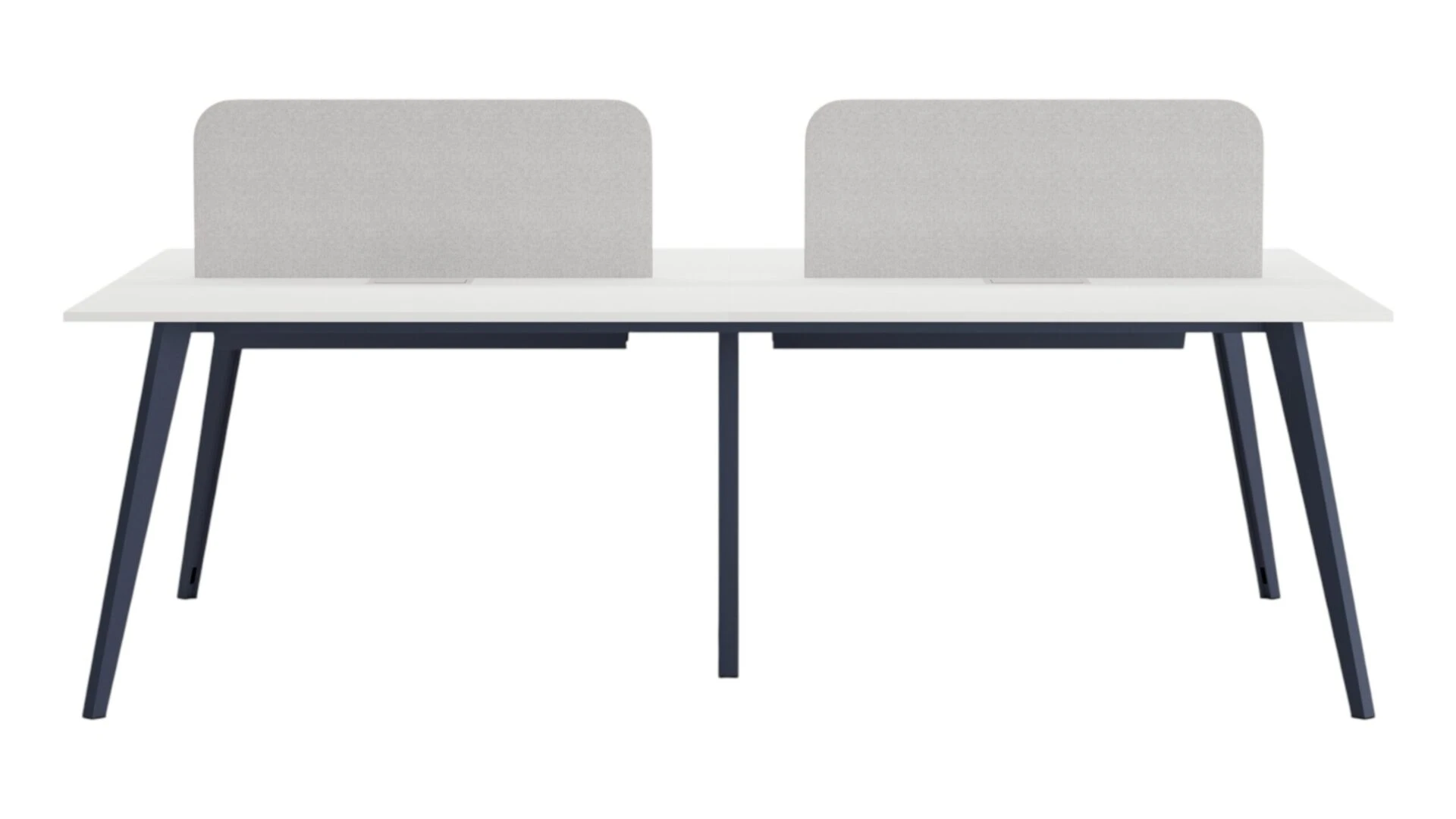
The decision between furnishing a home with off-the-shelf pieces or commissioning bespoke items is a fundamental crossroads in any design journey. The debate of ready made vs custom furniture often pits the instant gratification and transparent pricing of mass-produced items against the promise of perfect fit and enduring quality from an artisan workshop. For many homeowners, the choice seems like a simple trade-off between cost and customization. However, from a designer's perspective, the calculation is far more nuanced, involving long-term value, material integrity, and the very way a space feels and functions.
This breakdown moves beyond the surface-level arguments to provide an honest, concrete comparison. We will dissect the true differences in cost, timeline, quality, and longevity, drawing on our daily experience at the Kavela atelier. The goal is not to declare a universal winner, but to equip you with a clear framework for deciding which approach—or which blend of the two—is the most intelligent investment for your specific home, budget, and lifestyle. Understanding these core distinctions is the first step toward creating a space that is not just furnished, but thoughtfully composed.
Defining the Terms: What Truly Differentiates Ready-Made and Custom Furniture?
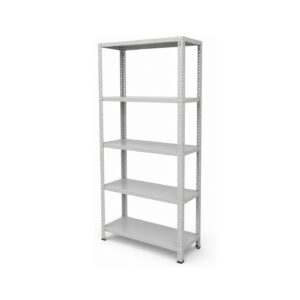
At its core, ready-made furniture is a product of scale. It is designed for mass production, manufactured in standardized sizes, and built using materials optimized for cost-efficiency and speed. The primary materials are often particleboard or medium-density fibreboard (MDF) finished with a thin laminate or melamine foil, designed to mimic the look of wood or a lacquered surface. The designs are trend-driven, the colour and fabric options are limited to a pre-selected palette, and the final product is waiting in a warehouse for immediate shipment.
Custom furniture, or bespoke production, is the antithesis of this model. It is a service as much as a product. Each piece begins with a specific client need and a unique spatial context. It is made-to-order, meaning production does not start until every detail—from the precise dimensions that fit an awkward alcove to the species of FSC-certified solid wood and the specific sheen of the lacquer—has been decided. This process involves a collaboration between the client, a designer, and the craftspeople at an atelier, ensuring the final piece is a unique solution, not a generic commodity.
It's also worth noting a third category: semi-custom or modular furniture. Offered by many high-end brands, this approach provides a middle ground. Clients can configure elements within a pre-designed system—choosing the number of drawers, the type of legs, or the colour from a wider, yet still finite, palette. While offering more flexibility than standard ready-made pieces, it still operates within the constraints of a manufacturer's established system and cannot accommodate true architectural integration or unique material requests.
The Cost Equation: Initial Investment vs. Lifetime Value
The most common objection to custom furniture is its perceived expense. It is undeniably true that the upfront cost of a bespoke piece is higher than its ready-made counterpart. A custom-built, 250cm wide media unit in a high-quality lacquered finish with premium hardware might cost 40-60% more than a visually similar unit from a mass-market retailer. This price difference, however, is not arbitrary; it reflects tangible value in materials, labour, and durability.
The higher cost of custom production is a direct result of its inputs. It accounts for the designer's time in consultation and drafting, the skilled artisan's hours of labour, and the superior quality of the components. We specify materials like moisture-resistant MDF for flawless lacquer application, FSC-certified oak veneers for texture and warmth, and innovative surfaces like the ultra-matte Fenix NTM. Crucially, we integrate world-class hardware, such as soft-close, full-extension drawer runners from Blum or Hafele, which are engineered to withstand decades of daily use, unlike the basic metal runners found in most ready-made case goods.
This is where the concept of lifetime value becomes critical. A typical particleboard ready-made piece may look good for three to five years before it begins to show wear—chipped edges, sagging shelves, or failing hardware. A well-crafted custom piece is built to last for thirty years or more. When you amortize the cost over its functional lifespan, the custom option often emerges as the more economical choice. The initial higher investment buys you an asset that won't need to be replaced multiple times, saving you money and reducing waste in the long run.
Timelines: The Reality of 3-Day Delivery vs. an 8-Week Process
The unparalleled advantage of ready-made furniture is its immediacy. For those facing a tight deadline—moving into a new apartment, setting up a temporary living situation, or needing to furnish a room quickly—the ability to order a sofa online and have it delivered within a week is a powerful draw. This model prioritizes speed and convenience, eliminating the planning and waiting inherent in custom work.
The timeline for custom furniture is a structured, multi-stage process that reflects the care invested in its creation. A typical project at our Ankara atelier follows a clear path: an initial consultation and site measurement (1 week), followed by design development and revisions (1-2 weeks), material sourcing and procurement (1 week), workshop production (3-4 weeks), and finally, finishing, delivery, and professional installation (1 week). This brings the total lead time to a realistic 7 to 9 weeks.
It is essential to reframe this period not as a 'delay' but as a 'design phase.' This is the time where collaboration happens, where materials are thoughtfully selected, and where every joint and dimension is considered to ensure a perfect outcome. It is a deliberate process that prioritizes getting the piece exactly right over getting it fast. For those planning a home they intend to live in for years, building this time into the project schedule is a worthwhile investment in the final quality of their environment.
Fit and Scale: The Challenge of Standard Sizes in Unique Spaces
One of the most significant functional and aesthetic limitations of ready-made furniture is its reliance on standard dimensions. Rooms are rarely perfect rectangles, and architectural features like alcoves, sloped ceilings, and window placements are unique to each home. Attempting to fit a standard 200cm wardrobe into a 212cm niche inevitably leaves awkward, dust-collecting gaps that scream 'afterthought' and waste valuable space.
Custom production, by its very nature, solves this problem. It allows for furniture to be designed to the exact millimeter of a space, achieving true architectural integration. This means a library wall that flows seamlessly from floor to ceiling, a kitchen island whose length is determined by workflow and sightlines rather than a factory standard, or a low-profile credenza that sits perfectly beneath a windowsill. This precision not only maximizes storage and utility but also creates a sense of calm and intention, making the furniture feel like an intrinsic part of the home's architecture.
This level of integration is particularly crucial for fixed elements like kitchens, bathroom vanities, and built-in wardrobes. For these, custom is not a luxury but a necessity for achieving a high-end result. It allows for the concealment of plumbing, the accommodation of appliances with perfect tolerances, and the creation of storage solutions that are tailored to the user's specific inventory, from the height of a cereal box to the length of a winter coat.
The Problem of 'Close Enough'
Settling for a ready-made piece that is 'close enough' in size can subtly disrupt the balance of an entire room. A sofa that is slightly too large can make a living room feel cramped, while a dining table that is too small can feel lost and out of scale. A designer's eye is trained to see these proportional relationships, and custom furniture is the tool we use to get them exactly right, ensuring every piece contributes to a harmonious whole.
Maximizing Awkward Spaces
Every home has them: the space under the stairs, the narrow hallway, the corner with intrusive ductwork. These are the areas where ready-made solutions invariably fail. Custom fabrication can transform these architectural liabilities into unique assets, creating perfectly fitted under-stair storage, a slim console table for a tight entryway, or clever cabinetry that conceals structural elements while providing much-needed function.
Quality and Durability: The Materials and Craftsmanship Behind Longevity
The lifespan of a piece of furniture is written in its material composition and construction methods. The majority of ready-made furniture is built from particleboard (wood chips and resin) or low-density MDF, finished with a paper-thin laminate or foil. While technologically advanced, these materials are highly susceptible to damage from moisture, which can cause swelling and disintegration, and their surfaces are prone to chipping and peeling, which are often impossible to repair.
In a custom workshop, the material palette is broader and prioritizes durability. We use high-density, moisture-resistant MDF for pieces destined for a flawless lacquered finish, ensuring stability and longevity. For wood finishes, we use thick, high-quality veneers applied over stable plywood or MDF cores, or work with solid, FSC-certified timbers like oak, walnut, and ash. The joinery is also superior; instead of relying on simple cam locks and dowels that can loosen over time, custom pieces often feature robust techniques like mortise-and-tenon joints or dovetails that provide lasting structural integrity.
This commitment to quality extends to the unseen components. The hardware—hinges, drawer runners, and internal mechanisms—is a critical factor in the daily experience and long-term durability of a piece. By specifying components from industry leaders like Blum and Hafele, we ensure that every drawer glides smoothly and every door closes softly, not just for the first year, but for decades. Similarly, for upholstered items, the difference is stark. A ready-made sofa might use a fabric with a Martindale rub count of 15,000-20,000, suitable for light domestic use. For a custom piece, we can specify commercial-grade textiles with rub counts exceeding 100,000, ensuring the fabric withstands the rigours of family life.
Repairability and Sustainability: The Afterlife of Your Furniture
The business model of fast furniture often results in a disposable product. When a leg breaks on a particleboard coffee table or the laminate peels off a drawer front, repair is rarely a viable option. The base materials don't lend themselves to being fixed, and manufacturers rarely provide spare parts for models that are more than a season or two old. This leads to a cycle of use and disposal that contributes significantly to landfill waste.
Custom furniture, built from solid wood or high-quality core materials, is inherently designed for a longer, more sustainable life cycle. It is built to be repaired, not replaced. A scratch on a solid walnut dining table can be sanded out and refinished. A well-constructed sofa frame can be reupholstered multiple times as tastes or fabrics change, giving it a new life for a new generation. Because the piece was made in a local atelier, the very craftspeople who built it can often be called upon to perform repairs or fabricate a replacement component years later.
This philosophy of repairability is a cornerstone of sustainable design. By choosing a piece of furniture that can last for 30, 50, or even 100 years, you are making a conscious decision to opt out of the throwaway culture. It is an investment in craftsmanship and a commitment to owning fewer, better things. This approach not only respects the resources used in the creation of the piece but also builds a deeper connection to the objects we live with every day.
When to Choose Ready-Made, and When to Invest in Custom
Despite the clear advantages of bespoke furniture, there are specific scenarios where ready-made is the more logical and practical choice. The decision should be strategic, based on the intended use, location, and longevity of the need. Ready-made furniture excels in situations defined by immediacy and impermanence.
Consider choosing ready-made for short-term rental properties, where the investment in custom built-ins may not be recoverable. It is also a sensible choice for children's rooms; as children grow rapidly, their needs for furniture change, and pieces are often subjected to heavy wear. In these cases, affordable, easily replaceable items make more sense. Finally, for secondary spaces like a rarely used guest room or for filler items like a small side table, a well-chosen ready-made piece can serve its purpose perfectly without requiring a significant investment.
Conversely, an investment in custom furniture is most impactful for the core, high-use, and architecturally-dependent elements of your home. This includes any and all built-in cabinetry: kitchens, bathroom vanities, wardrobes, and library walls, where a perfect fit is non-negotiable. It is also the superior choice for the 'hero' pieces that anchor a room's design and function, such as the main sofa, the dining table, or the living room media unit. For anyone furnishing their long-term or 'forever' home, prioritizing custom for these key pieces ensures a foundation of quality, functionality, and personal style that will endure for decades.
Kavela's Hybrid Approach: Blending Bespoke and Curated Pieces
At Kavela, our design philosophy is not dogmatically 'custom-only.' We believe the most successful, personal, and financially intelligent interiors are the result of a thoughtful blend. A space where every single item is custom-made can feel static and lack the layered character that comes from curating different pieces over time. Our approach is to be strategic, applying the power of custom where it delivers the most value.
Our process begins by identifying the architectural and functional anchors of a project. These are typically the elements that demand perfect integration and long-term durability—the kitchen cabinetry, the living room built-ins, the master bedroom wardrobe. For these, we leverage our Ankara atelier to design and fabricate bespoke solutions that are perfectly tailored to the space and the client's lifestyle, using high-quality materials and hardware.
Once this bespoke foundation is established, we curate the rest of the space. We complement our custom work with carefully selected ready-made items from trusted local and international brands. This might include iconic accent chairs, sculptural lighting fixtures, or unique side tables that add personality and texture. This hybrid approach allows us to direct the budget where it matters most, creating a cohesive, high-functioning, and deeply personal space that balances the precision of bespoke with the character of curated design.
Frequently Asked Questions
How much more expensive is custom furniture than ready-made?
While it varies by material and complexity, a good rule of thumb is that custom furniture is typically 40-60% more expensive upfront than a visually comparable ready-made item. However, due to its 3-5x longer lifespan, the cost per year of use is often significantly lower.
How many weeks does custom furniture production take?
A typical custom furniture project, from initial consultation to final installation, takes between 7 and 9 weeks. This includes time for design, material sourcing, workshop production, and finishing.
Is a mass-market brand or a custom workshop a more logical choice?
It depends on your priority. If speed and low initial cost are paramount, a mass-market brand is logical. If you prioritize perfect fit, long-term durability, and unique design, a custom workshop is the superior investment.
Is custom furniture necessary for a child's room?
Generally, it is not necessary. Given that children's needs change quickly and furniture is likely to see heavy wear, affordable and easily replaceable ready-made pieces are often a more practical choice for kids' rooms.
Can custom-made furniture be repaired?
Absolutely. Because it's made from high-quality materials like solid wood and premium plywoods, custom furniture is designed to be repaired, sanded, and refinished. An atelier can typically service the pieces they create for many years.
Does ready-made furniture lose its value after 5 years?
Yes, most ready-made furniture depreciates very quickly. After 5 years of use, its resale value is typically only 10-20% of the original price, due to visible wear and its limited remaining lifespan.
Does custom furniture make sense in a rental home?
For freestanding pieces like a dining table or sofa, yes, as you can take them with you. For built-in items like wardrobes or kitchens, it is generally not a wise investment in a rental property unless you have a long-term lease and the landlord's permission.
Which furniture items should be ready-made and which should be custom?
Prioritize custom for high-use, long-term, and built-in items: kitchens, wardrobes, main sofas, and media units. Opt for ready-made for temporary needs, children's rooms, and smaller accent pieces like side tables or guest room furniture.
Does Kavela offer both ready-made and custom furniture?
Kavela specializes in custom, bespoke furniture design and production from our Ankara workshop. However, as part of our interior design services, we often curate and source ready-made pieces from trusted partner brands to complement our custom work in a project.
The Final Verdict: An Investment in Your Environment
The choice between ready-made and custom furniture is not a simple matter of budget, but a strategic decision about your home's future. Ready-made offers an accessible and immediate solution, perfect for temporary or low-impact needs. Custom furniture, on the other hand, is a long-term investment in quality, functionality, and a design that is a true reflection of your personal narrative. By understanding the trade-offs in fit, materials, and longevity, you can make an informed choice that elevates your space from simply being furnished to being thoughtfully and permanently yours. For those in Ankara ready to explore how a tailored, design-led approach can shape their home, the Kavela team is here to begin the conversation.