





2026 Office Furniture & Interior Design Trends: A Kavela Report
Explore the definitive 2026 office furniture trends. Kavela's report covers biophilic design, hybrid work, and sustainable materials for a future-proof workspace.

As we look towards 2026, the modern workplace continues its evolution, shaped by new technologies, shifting employee expectations, and a deeper understanding of well-being. The 2026 office furniture trends are not merely aesthetic shifts; they represent a fundamental rethinking of how and why we use physical office spaces. This comprehensive report by Kavela Furniture delves into the key movements defining the future of work environments, from hyper-flexible modular systems to biophilic sanctuaries that reconnect us with nature.
As a leading Ankara-based manufacturer and distributor for prestigious brands like Quadrifoglio Group, we are at the forefront of implementing these changes. This analysis is built on industry data, design principles, and our extensive experience in creating functional, inspiring, and sustainable office interiors across Turkey.
The Hybrid Hub: Strategic Zoning for Fluid Work
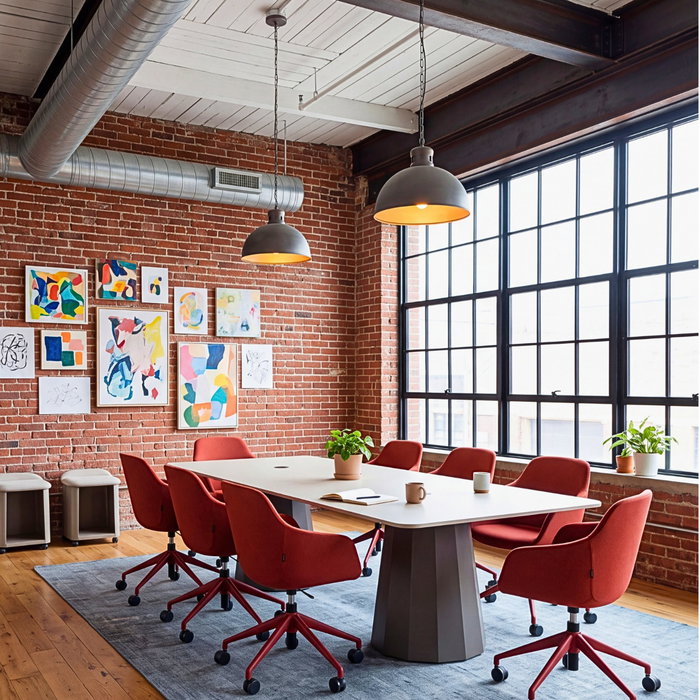
The debate over hybrid work is settling, and the clear winner is a flexible model that empowers employees. By 2026, the office’s primary role will be a ‘hub’ for collaboration, culture-building, and focused tasks that are difficult to perform at home. This shift fundamentally changes office layout. The monolithic sea of desks is being replaced by a diverse ecosystem of zones, each designed for a specific activity. This approach, often called Activity-Based Working (ABW), is becoming the standard for high-performance workplaces. [1]
These zones typically include:
- Collaboration Zones: Open, inviting areas with large tables, whiteboards, and integrated technology for brainstorming and team syncs. These spaces are furnished with comfortable lounge seating and versatile meeting tables to encourage interaction.
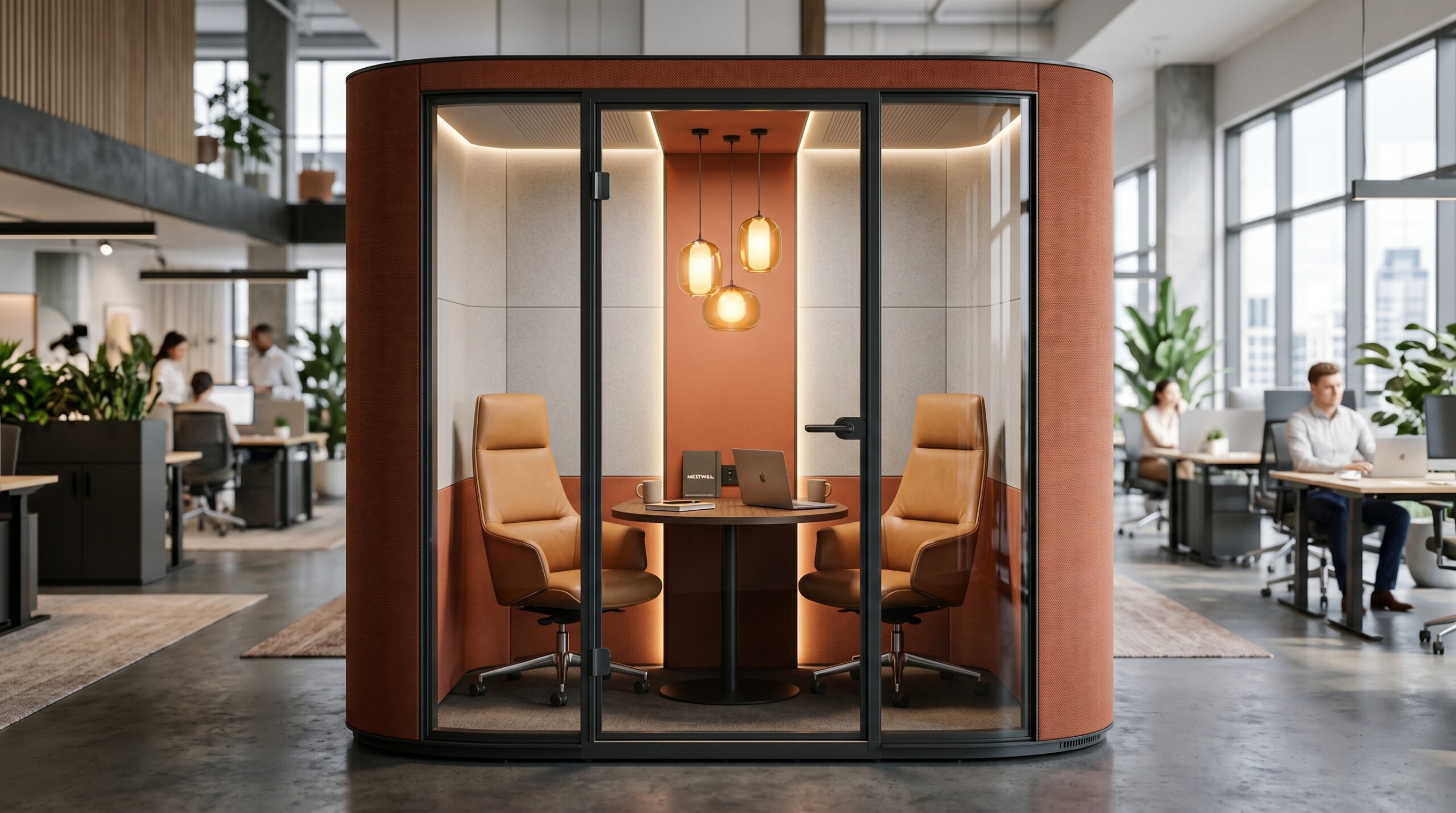
- Focus Zones: Quiet, library-like areas with individual workstations or enclosed pods designed for deep work. These spaces prioritize acoustic and visual privacy to minimize distractions.
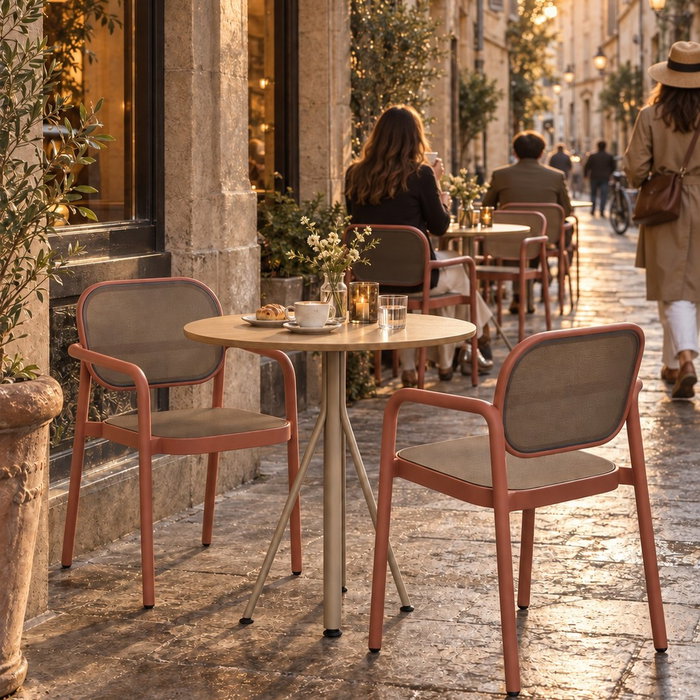
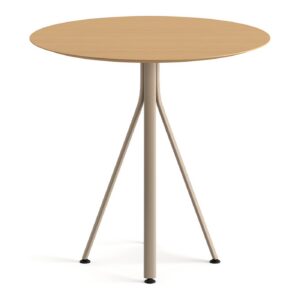
- Social Zones: Café-style spaces, lounges, and break rooms that act as the office’s social heart. They are crucial for fostering informal connections and building a strong company culture, which research shows is a key driver of employee retention. [2]
- Learning & Development Zones: Flexible spaces that can be configured for training sessions, workshops, or town hall meetings, often featuring modular seating and advanced audiovisual equipment.
The success of this model hinges on thoughtful space planning and furniture that clearly delineates each zone’s purpose. As experts in contract projects, Kavela’s interior design services specialize in creating these strategic layouts, ensuring that the flow between zones is intuitive and supports the dynamic needs of a hybrid workforce. The goal is no longer to assign a desk to every person, but to provide a variety of spaces for every task.
Biophilic Integration: Nature as a Core Infrastructure
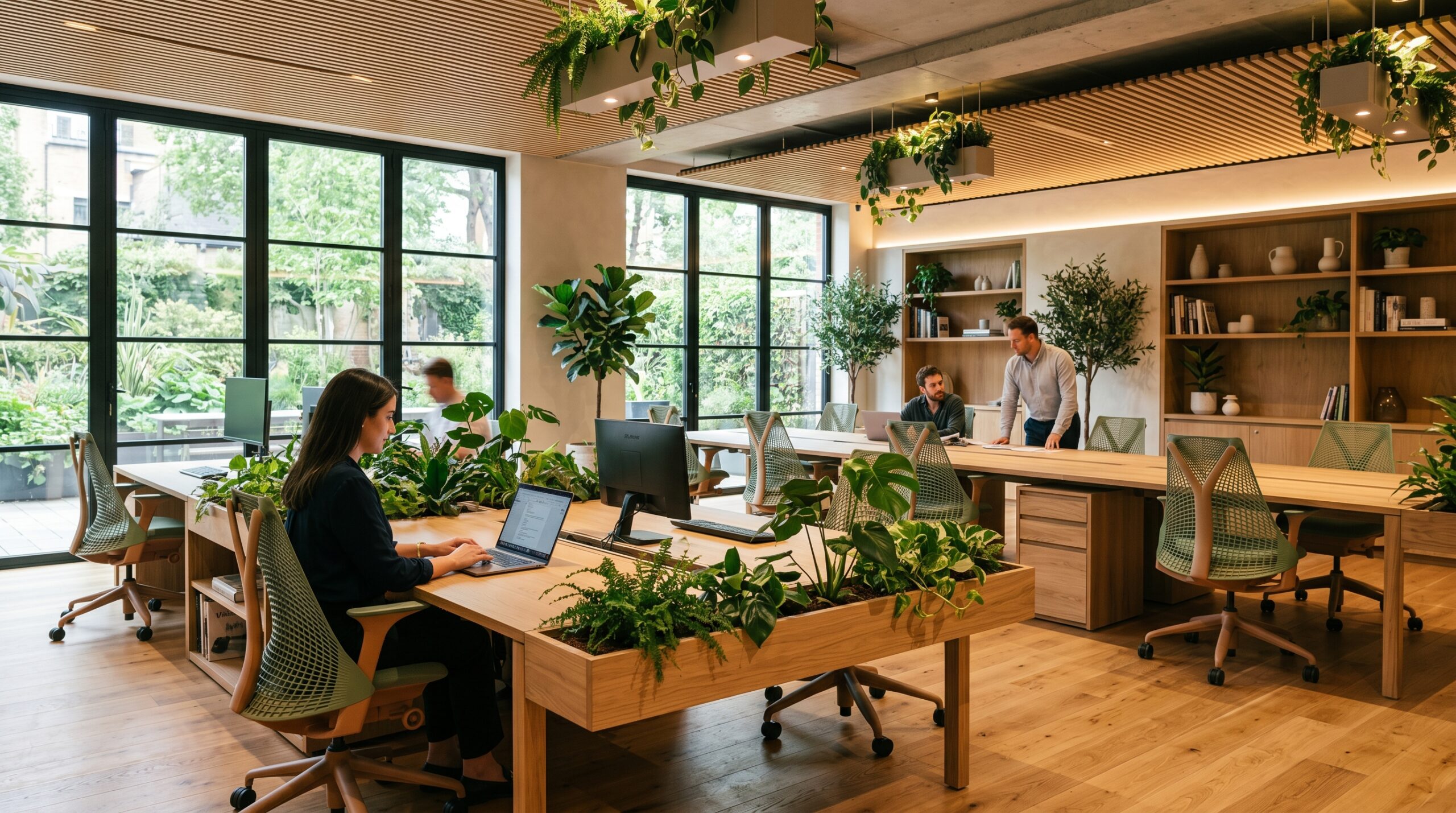
Biophilic design—the practice of connecting people and nature within our built environments—is moving from a ‘nice-to-have’ feature to an essential component of workplace design in 2026. The principle is rooted in our innate human tendency to seek connections with nature, a concept known as ‘biophilia’. Studies consistently show that incorporating natural elements into the office can reduce stress, improve cognitive function, and enhance creativity by up to 15%. [3]
This trend goes far beyond placing a few potted plants on a windowsill. A holistic biophilic strategy for 2026 involves:
- Natural Materials: An increased use of authentic, minimally processed materials like wood, stone, bamboo, and cork. Furniture collections from our partner workshops, which emphasize natural wood grains and finishes, are central to this trend.
- Dynamic & Diffuse Light: Maximizing natural daylight through large windows and smart lighting systems that mimic the sun’s daily cycle. This helps regulate circadian rhythms and reduce eye strain.
- Natural Color Palettes: Moving away from sterile whites and greys towards earthy tones like terracotta, sage green, deep blues, and warm ochres that evoke natural landscapes.
- Living Walls & Integrated Planters: Large-scale installations of greenery that act as natural air purifiers and visual centerpieces.
- Biomorphic Forms & Patterns: Incorporating shapes, patterns, and textures that mimic those found in nature, such as honeycomb structures, leaf motifs, and flowing, curved lines in furniture design.
Integrating biophilic principles is not just an aesthetic choice; it’s a strategic investment in employee health and productivity. As reported by outlets like Dezeen, companies that embrace biophilia see tangible benefits in employee well-being and engagement. [4]
The cognitive basis of biophilic design, Attention Restoration Theory and how natural stimuli allow directed attention to recover, is set out with its sources in the psychology of space report.
Acoustic Sanctuaries: The Imperative of Privacy
As offices become more open and collaborative, managing noise has become one of the biggest challenges in workplace design. The rise of video calls in the hybrid era has exacerbated the problem, making acoustic control a top priority for 2026. Employees consistently rank noise and distractions as their top complaint about the office environment. [5] The solution lies in creating ‘acoustic sanctuaries’—spaces where individuals and small groups can escape the din for focused work or private conversations.
The most prominent manifestation of this trend is the proliferation of office pods and booths. These self-contained units offer a powerful solution for retrofitting acoustic privacy into open-plan layouts. Kavela offers a wide range of acoustic cabins, from single-person phone booths for quick calls to multi-person meeting pods equipped with ventilation, lighting, and power.
Beyond pods, a multi-layered acoustic strategy for 2026 includes:
- Acoustic Panels: Wall-mounted or ceiling-hung panels made from sound-absorbing materials like PET felt (often made from recycled plastic bottles). They can be integrated as design features with various colors and shapes.
- Sound-Absorbing Furniture: Upholstered seating with high backs, felt dividers, and soft furnishings that absorb sound waves rather than reflecting them.
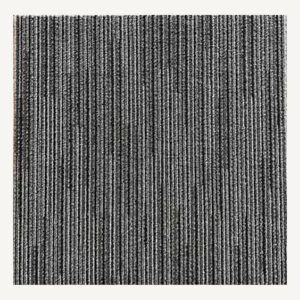
- Acoustic Flooring: Using materials like cork or high-quality carpet tiles to dampen footfall and ambient noise.
- Sound Masking Systems: Introducing a low-level, unobtrusive background sound (like airflow) to make human speech less intelligible and therefore less distracting.
Creating a balanced acoustic environment is crucial for productivity and employee comfort. It allows for vibrant collaboration to coexist with the quiet focus necessary for deep work, making the office a more effective space for everyone.
Modular Agility: Furniture That Adapts in Real-Time
The era of static, permanent office layouts is over. In 2026, agility is paramount. Businesses need to adapt their physical spaces quickly to accommodate changing team sizes, project needs, and work styles. This demand for flexibility is driving the trend towards modular and reconfigurable furniture systems. Furniture is no longer just a fixed asset; it’s a dynamic tool for shaping the work environment on a daily or weekly basis.
Modular design allows a single furniture system to serve multiple purposes. A lounge area can be transformed into a presentation space, or a team cluster can be expanded to welcome new members without a major overhaul. Key elements of the agile office include:
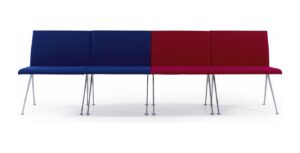
- Modular Seating: Sofas and benches composed of individual units that can be rearranged into countless configurations.
- Mobile Walls and Partitions: Lightweight, movable screens and whiteboards on casters that allow teams to define their own spaces.
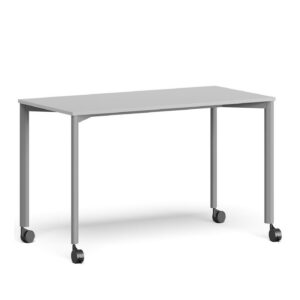
- Nesting and Stacking Tables: Versatile tables that can be easily stored away to create open floor space for events or workshops. Our collections of meeting tables include options with casters and folding mechanisms for maximum flexibility.
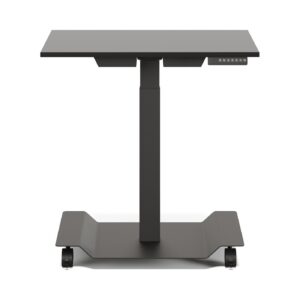
- Height-Adjustable Desks on Casters: Allowing not just individual ergonomic adjustment but also easy reconfiguration of entire desk banks.
This trend is supported by research from industry leaders like Steelcase, who emphasize that adaptable spaces can improve collaboration and employee engagement by giving teams more control over their environment. [6] By investing in agile furniture, organizations can future-proof their real estate, ensuring their office can evolve alongside their business without costly and disruptive renovations.
Sustainable Circularity: Materials with a Conscience
Sustainability has evolved from a corporate buzzword into a non-negotiable business imperative. For 2026, the focus in office furniture is shifting from simple recycling to the principles of a circular economy. This model aims to eliminate waste by designing products and systems that can be reused, repaired, remanufactured, and eventually recycled, keeping materials in use for as long as possible.
Clients are increasingly demanding transparency in the supply chain and proof of environmental responsibility. Key aspects of this trend include:
- Recycled and Upcycled Materials: A surge in the use of materials like PET felt from plastic bottles, recycled textiles, and reclaimed wood.
- Low-VOC Finishes: The use of water-based lacquers, glues, and paints with low or zero volatile organic compounds (VOCs), which improves indoor air quality.
- Design for Disassembly: Products designed to be easily taken apart at the end of their life, allowing components to be replaced or recycled efficiently.
- Certifications: A greater emphasis on credible third-party certifications like FSC (Forest Stewardship Council) for wood, GREENGUARD for low chemical emissions, and ISO 14001 for environmental management systems, a standard that Kavela and our partners like Quadrifoglio Group adhere to.
- Biomaterials: Experimentation with innovative, renewable materials such as mycelium (mushroom root), algae, and agricultural waste composites.
The circular economy is not just about being ‘green’; it’s about smart, resilient design. As highlighted in reports by WGSN, circularity is becoming a key driver of innovation in the design industry. [7] By choosing furniture built on these principles, companies not only reduce their environmental footprint but also invest in durable, high-quality products that offer long-term value.
Warm Minimalism: The Rise of the ‘Resimercial’ Office
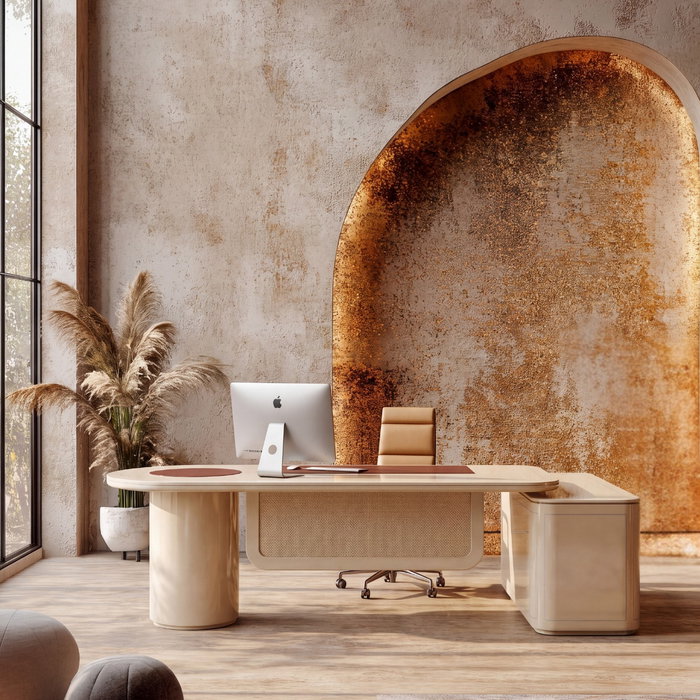
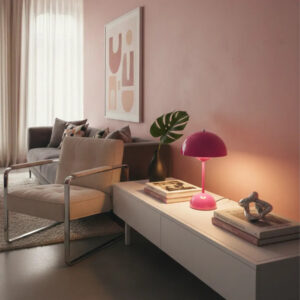
To entice employees back to the office, workspaces in 2026 must offer something more than just a desk and a chair. They need to provide a sense of comfort, belonging, and inspiration. This has given rise to ‘warm minimalism’ and the ‘resimercial’ (residential + commercial) design trend. This aesthetic blends the clean lines and functionality of commercial design with the soft textures, warm colors, and inviting atmosphere of a home.
“The goal is to create spaces that feel less like a corporate institution and more like a curated, comfortable environment where people genuinely want to spend their time.”
Key characteristics of this trend include:
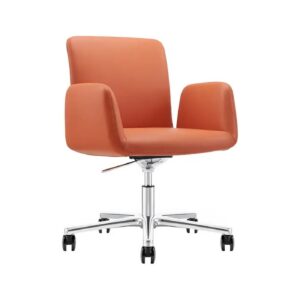
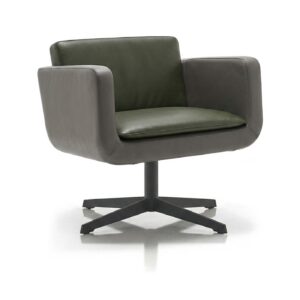
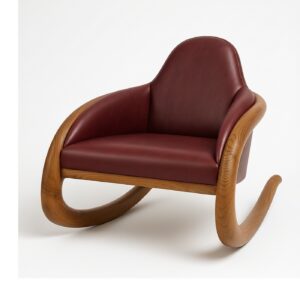
- Curved and Soft Forms: A move away from sharp, angular furniture towards pieces with rounded edges, soft curves, and organic shapes that feel more welcoming and approachable.
- Rich Textures: A focus on tactile materials like bouclé, velvet, leather, natural wood, and woven textiles to add depth and warmth.
- Sophisticated Color Palettes: Replacing stark corporate colors with muted, earthy tones such as terracotta, olive green, sandy beige, and deep blues, often used in a monochromatic or tonal scheme.
- Layered Lighting: Combining ambient, task, and accent lighting to create a more dynamic and comfortable atmosphere, often using decorative floor lamps and pendants typically found in homes.
- Art and Accessories: Curating spaces with unique artwork, rugs, books, and plants to give the office a distinct personality and a less sterile feel.
This human-centric approach acknowledges that employee well-being is directly linked to the quality of their physical environment. By making the office a more desirable destination, companies can boost morale, foster creativity, and strengthen their organizational culture.
The framework behind neuro-aesthetics, together with the role of colour and lighting in spatial perception, is examined separately in the psychology of space report.
Advanced Ergonomics: A Holistic Approach to Well-being
Workplace ergonomics in 2026 extends far beyond the adjustable chair. It encompasses a holistic system designed to support the physical and cognitive well-being of employees throughout their day. With a diverse workforce and varied tasks, a one-size-fits-all approach is no longer sufficient. The focus is on providing a range of tools and environments that encourage movement, reduce physical strain, and cater to individual needs.
A comprehensive ergonomic strategy involves:
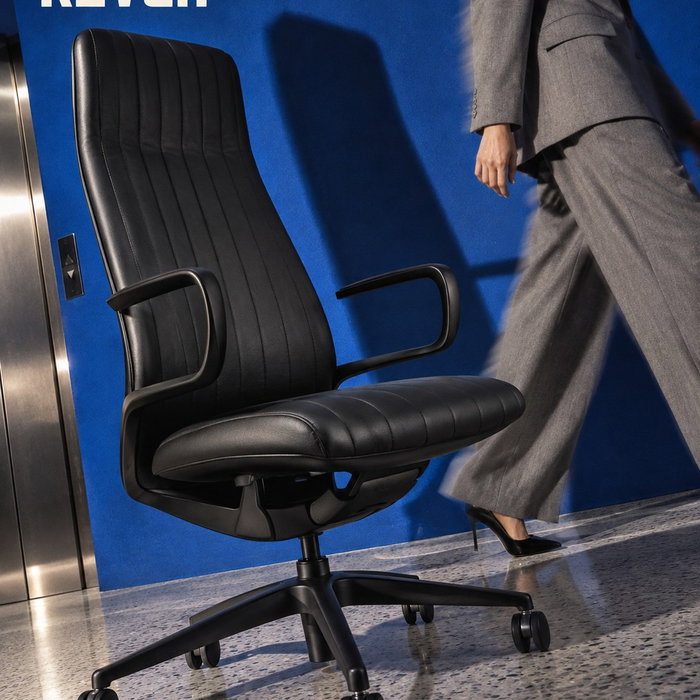
- Dynamic Seating: High-performance ergonomic chairs that automatically adjust to the user’s movements are the foundation. These chairs, compliant with standards like BIFMA, provide tailored support for the spine, arms, and neck, reducing the risk of musculoskeletal issues. [8]
- Sit-to-Stand Workstations: Height-adjustable desks are becoming standard issue, allowing employees to easily alternate between sitting and standing, which is proven to improve circulation and reduce the negative health effects of a sedentary workday.
- Accessory Ecosystem: Ergonomics is about the complete setup. This includes adjustable monitor arms to position screens at eye level, keyboard trays for proper wrist alignment, and footrests.
- Ergonomic Lighting: Providing user-controllable task lighting to reduce glare and eye strain, supplemented by high-quality ambient light.
- Movement-Inducing Layouts: Designing office layouts that naturally encourage walking, such as placing printers or coffee stations at a central location away from desks.
Investing in advanced ergonomics is a direct investment in a company’s most valuable asset: its people. By reducing physical discomfort and fatigue, companies can improve focus, decrease absenteeism, and demonstrate a genuine commitment to employee health and safety. This is a critical component of attracting and retaining top talent in a competitive market.
The cognitive side of ergonomics, how physical discomfort divides processing capacity, is covered in the psychology of space report.
Seamless Tech Integration: The Smart, Connected Workspace
In 2026, technology will be seamlessly and almost invisibly woven into the fabric of the office and its furniture. The goal is to create a frictionless experience that supports productivity and collaboration, removing the common frustrations of finding a charged port or connecting to a display. Clunky wires and mismatched adapters are being replaced by elegant, integrated solutions.
This trend is manifesting in several key ways:
- Integrated Power and Data: Desks, meeting tables, and lounge seating are now designed with built-in power outlets, USB-A, USB-C, and data ports, providing convenient access to power wherever work happens.
- Wireless Charging: Qi wireless charging pads are being embedded directly into tabletop surfaces and furniture arms, offering effortless device charging.
- Smart Room and Desk Booking: IoT sensors and integrated booking systems allow employees to easily find and reserve available desks, rooms, or pods via a mobile app, optimizing space utilization.
- Cable Management Systems: Sophisticated, built-in cable trays, conduits, and magnetic clips that keep wires organized and out of sight, maintaining a clean and professional aesthetic.
- AV-Ready Furniture: Media units and meeting tables designed to discreetly house audiovisual equipment, with integrated mounts for screens and easy-to-access connection points for presentations.
The smart office is an responsive environment that adapts to the needs of its users. As a provider of comprehensive office solutions, Kavela ensures that our furniture collections from partners like Quadrifoglio Group are designed with these technological needs in mind. Our interior design and project teams work closely with clients to plan for these infrastructure needs from day one, creating a truly modern and efficient workspace.
Frequently Asked Questions
- What is the main driver behind 2026 office furniture trends?
-
The primary driver is the solidification of hybrid work. Offices are no longer just places for individual work but hubs for collaboration, culture, and connection. This requires furniture that is flexible, supports various activities, and creates an inviting, comfortable environment.
- Is the open-plan office dead?
-
The traditional, uniform open-plan office is being replaced by a more sophisticated, zoned model. While open areas for collaboration remain, they are now balanced with enclosed spaces for focus, such as acoustic pods and quiet zones, to address the critical need for privacy and concentration.
- What is ‘biophilic design’ in an office context?
-
Biophilic design is the practice of incorporating elements of nature into the built environment. In offices, this includes using natural materials like wood and stone, maximizing daylight, adding plants and living walls, and using nature-inspired colors and patterns to reduce stress and boost creativity.
- How can furniture make an office more sustainable?
-
Sustainable furniture is made from recycled, renewable, or responsibly sourced materials (like FSC-certified wood). It is also designed for durability and disassembly, allowing for repair and recycling. Choosing furniture with certifications like GREENGUARD for low chemical emissions also improves indoor air quality.
- What does ‘resimercial’ design mean?
-
‘Resimercial’ is a blend of ‘residential’ and ‘commercial’. It’s an aesthetic trend focused on making offices feel more like home by using comfortable furniture, warm lighting, soft textures (like bouclé and velvet), and a sophisticated, non-corporate color palette.
- Why are acoustic pods becoming so popular?
-
Acoustic pods provide a simple and effective solution to the biggest problem of open-plan offices: noise and lack of privacy. They offer a quiet sanctuary for phone calls, video conferences, or focused work without requiring major construction.
- What is more important: ergonomics or aesthetics?
-
For 2026, they are equally important and increasingly integrated. The best office furniture combines high-performance ergonomic features that support physical well-being with a sophisticated aesthetic that contributes to a positive and inspiring atmosphere. You no longer have to choose one over the other.
- How does modular furniture help a business?
-
Modular furniture provides agility. It allows a company to easily reconfigure its workspace to adapt to changing team sizes, new projects, or different work modes without investing in new furniture or costly renovations. This flexibility makes the office more efficient and future-proof.
Sources
- Steelcase. (2023). A New Era of Hybrid Work: The Global Report. Steelcase Research.
- Harvard Business Review. (2022). The Power of Work Friends. HBR.org.
- Terrapin Bright Green. (2014). 14 Patterns of Biophilic Design. TerrapinBrightGreen.com.
- Dezeen. (2023). How biophilic design can improve workplace wellbeing. Dezeen.com.
- Gensler. (2022). U.S. Workplace Survey 2022. Gensler Research Institute.
- Steelcase. (2022). How to Make Collaboration Work. Steelcase Research.
- WGSN. (2023). Key Trend 2025: Circularity as a System. WGSN Insight.
- BIFMA. (n.d.). BIFMA Ergonomics Guideline for Furniture. The Business and Institutional Furniture Manufacturers Association.
- MillerKnoll. (2023). Workplace Trends and Insights. MillerKnoll.com.
Latest posts
@kavelafurniture