

19 April 2026
2026 Furniture Trends: 10 Movements from a Designer’s Lens
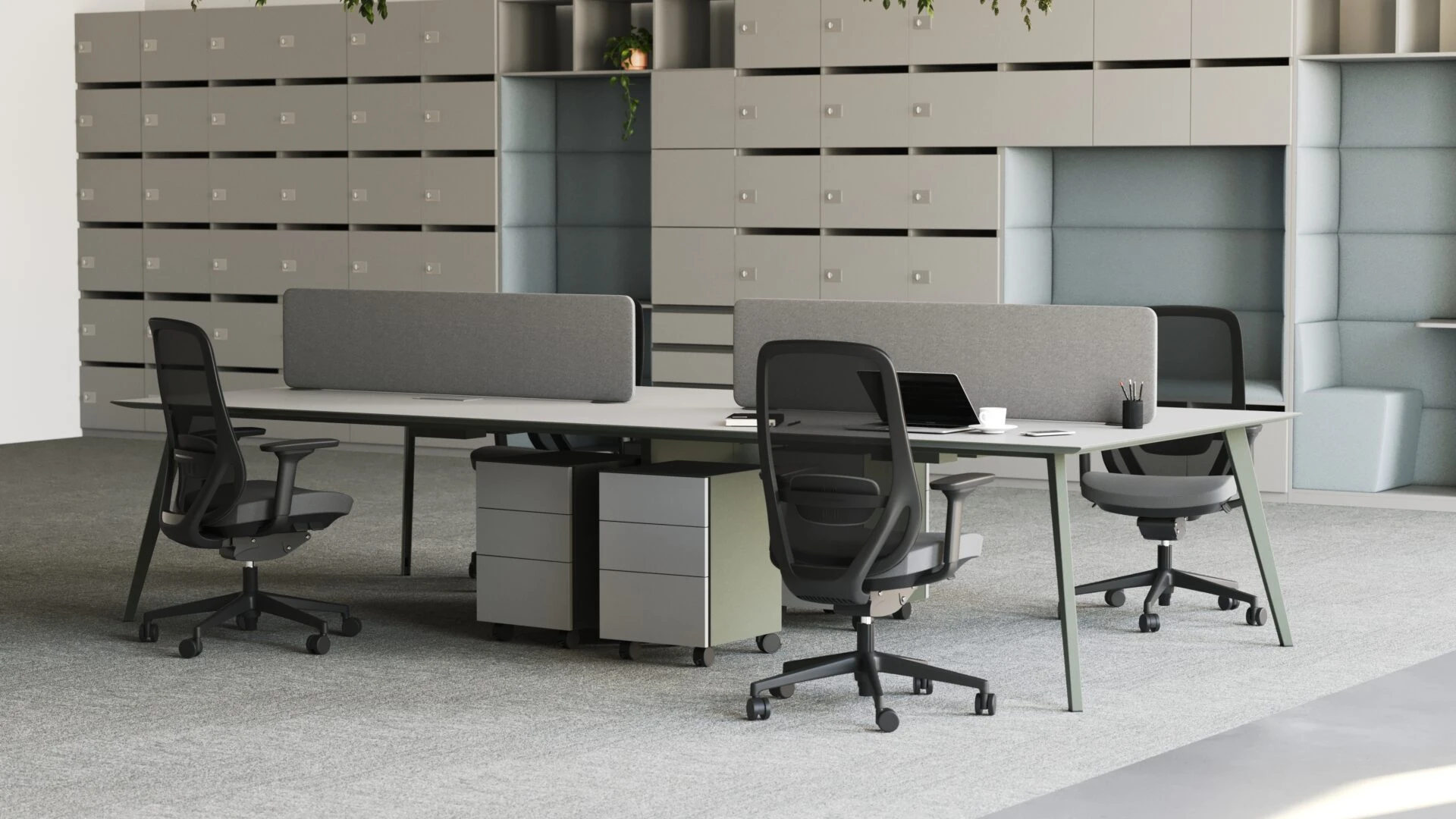
As we look towards the horizon of interior design, it's crucial to distinguish between fleeting micro-trends and the substantive movements shaping our living spaces. The discourse surrounding 2026 furniture trends is moving beyond algorithm-fed aesthetics to address deeper shifts in our relationship with our homes. From a designer's perspective, these are not merely stylistic choices but responses to global currents: a collective desire for sustainability, a need for quiet authenticity in a loud world, and the seamless integration of technology into our daily rituals. This report analyzes ten pivotal movements, offering a framework for understanding the forces that will define the next era of furniture design, with a focus on longevity and considered craftsmanship.
This analysis deconstructs the core principles behind each trend, from the maturation of Japandi into a mainstream philosophy to the rise of a distinctly local 'Anadolu Modern' vernacular. We will explore the material shifts, such as the move from high-texture fabrics like bouclé to sophisticated, ultra-matte surfaces, and the non-negotiable importance of certified sustainable materials. The following sections provide a comprehensive view of what to expect, why it's happening, and how these concepts can be thoughtfully applied to create spaces that are not just current, but enduring. This is a guide to investing in design that reflects a deeper set of values, intended for the discerning client, the fellow designer, and the passionate observer of material culture.
1. Japandi: The New Mainstream
Japandi has transcended its status as a niche aesthetic to become a foundational design philosophy for 2026. It represents the mature synthesis of Scandinavian functionalism (hygge) and Japanese rustic minimalism (wabi-sabi), creating environments that are calm, intentional, and deeply connected to natural materials. The core principle is the elimination of the superfluous to celebrate simplicity, craftsmanship, and the beauty of imperfection. This is not about creating a sparse, empty room, but rather a carefully curated space where each object has a purpose and a place, fostering a sense of tranquility and order.
The enduring appeal of Japandi lies in its response to the over-stimulation of modern life. It offers a visual and mental respite, prioritizing clean lines, uncluttered surfaces, and a muted color palette. The emphasis is on natural materials like light-toned woods (oak, ash, maple), bamboo, rattan, and paper. Furniture pieces are characterized by low profiles, such as platform beds and low-slung sofas, which create a greater sense of space and connection to the ground. The philosophy champions quality over quantity, encouraging investment in well-made pieces that will last for generations.
In a Turkish home, Japandi can be interpreted through a local lens. Instead of Japanese cedar or Scandinavian pine, consider using FSC-certified Anatolian black pine or light Turkish walnut. Integrate handcrafted ceramics from Kütahya or Avanos, not as decorative clutter, but as functional art. A low-profile divan (sedir) upholstered in a simple, natural linen can replace a conventional sofa, paired with a solid wood coffee table with precise, clean joinery. The key is to maintain the principle of minimalism while infusing the space with culturally resonant materials and objects. Looking forward, Japandi will become less of a prescriptive style and more of a personal practice, incorporating unique, artisanal elements that tell a story.
2. Quiet Luxury and Silent Design
Quiet Luxury, or 'Silent Design,' is the antithesis of trend-driven, logo-centric interiors. This movement prioritizes exceptional craftsmanship, superior materials, and timeless design over overt displays of wealth. The luxury here is not in what is seen, but in what is felt: the perfect weight of a door, the seamless glide of a drawer powered by Blum or Hafele mechanisms, and the subtle texture of a hand-finished wood surface. It is a commitment to furniture as a long-term investment, built with integrity and designed to transcend seasonal styles.
This shift is a direct reaction against the culture of fast furniture and conspicuous consumption. Discerning clients are increasingly seeking permanence and substance. They are more interested in the story behind a piece—the origin of the timber, the skill of the artisan, the quality of the joinery—than in its brand name. This approach champions material honesty, where the inherent beauty of solid wood, natural stone, or fine leather is the primary decorative element. The focus is on clean, architectural forms that allow the quality of the materials to take center stage.
To implement Silent Design, focus on commissioning bespoke pieces where every detail is considered. This could be a floor-to-ceiling library unit in solid oak, with integrated lighting and invisible hardware, or a dining table where the grain of the wood is perfectly matched across its surface. Upholstery choices lean towards high-performance, understated fabrics with high Martindale ratings, such as fine wool blends or linen velvets, in complex neutral tones. Over the next three years, this philosophy will become the gold standard in high-end residential design, with an even greater emphasis on provenance and artisanal techniques.
3. Anadolu Modern: The Rise of Local Design
A significant movement gaining traction is 'Anadolu Modern,' a design language that reinterprets Anatolian heritage through a contemporary, minimalist filter. This is not a nostalgic or folkloric revival. Instead, it is a sophisticated synthesis of traditional motifs, materials, and craft techniques with modern forms and functionality. It seeks to create a sense of place and cultural continuity, offering an authentic alternative to homogenous global design trends. The movement draws inspiration from Seljuk geometry, Ottoman calligraphy, and the rustic simplicity of Anatolian vernacular architecture.
The rise of Anadolu Modern is fueled by a growing desire for identity and authenticity. In a world of mass-produced goods, there is a powerful pull towards objects that are rooted in a specific culture and geography. This movement celebrates local materials like Marmara marble, Cappadocia tuff stone, and Turkish walnut, alongside traditional crafts such as metalwork (telkari), weaving, and wood carving. By abstracting traditional patterns and forms, designers create furniture that feels both familiar and entirely new.
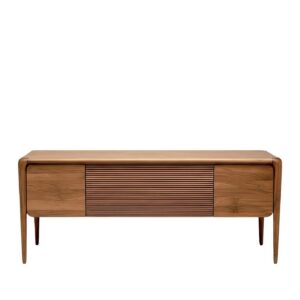
Application in a contemporary Turkish home is about subtlety and integration. Imagine a media console with doors featuring a CNC-milled pattern derived from a Seljuk star motif, finished in a matte lacquer. Consider a coffee table that combines a sleek, powder-coated steel base with a top made from reclaimed wood from an old Anatolian house. Upholstery might feature fabrics with patterns inspired by traditional kilims, but woven in a modern, monochromatic palette. Over the next few years, Anadolu Modern is poised to gain international recognition as a distinct and valuable contributor to the global design conversation, moving beyond Turkey's borders.
4. Sustainable Timber and FSC Certification
Sustainability has evolved from a talking point to a non-negotiable baseline for quality design. For 2026, the focus is on radical transparency and certified materials, with the Forest Stewardship Council (FSC) certification becoming a critical indicator of responsible sourcing. FSC certification ensures that wood is harvested from forests that are managed to meet the social, economic, and ecological needs of present and future generations. It provides a chain of custody that tracks the material from forest to workshop, guaranteeing its ethical and environmental integrity.
This emphasis is driven by a highly informed clientele who understand the environmental impact of their choices. They are demanding accountability from designers and manufacturers, making sustainability a key factor in their purchasing decisions. The conversation has moved beyond simply using 'real wood' to questioning its origin, its lifecycle, and its impact. This consciousness elevates the value of furniture, transforming it from a mere commodity into a responsible investment in the planet's future.
As a client or designer, the practical application is to insist on FSC-certified timber for all custom and manufactured furniture. Ateliers like Kavela prioritize this, sourcing certified oak, walnut, and ash for their projects. This choice not only supports responsible forestry but often results in a higher quality raw material. The future of sustainable materials will involve even greater traceability, potentially with QR codes linking a piece of furniture to its forest of origin. We will also see a more refined use of alternative materials like engineered bamboo and high-quality reclaimed timbers, treated with the same reverence as virgin wood.
5. Beyond Bouclé: The Primacy of Surface over Texture
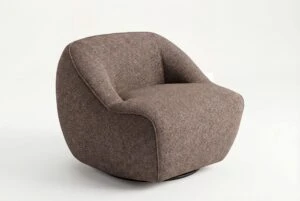
The ubiquity of bouclé fabric has reached a saturation point, leading designers to seek new forms of tactile experience. The 2026 trend landscape signals a shift away from overtly heavy, looped textures towards the sophistication of the surface. This new focus is on materials that engage the senses in a more subtle, refined manner. Think of the cool, smooth touch of an ultra-matte surface, the quiet elegance of a tightly woven linen, or the soft luster of a high-performance velvet. The emphasis is on visual and haptic minimalism, where quality is communicated through finish rather than overt texture.
This movement is a natural reaction to trend fatigue. When a single material becomes dominant, it loses its sense of novelty and luxury. Designers and discerning clients are now looking for materials that offer both longevity and a more timeless appeal. The focus is on performance and subtlety. This includes high-tech surfaces like Fenix NTM, a super-matte nanotech material that is anti-fingerprint, soft to the touch, and thermally repairable. In fabrics, the shift is towards complex weaves, fine wools, and performance textiles that offer extreme durability (Martindale counts exceeding 100,000 rubs) without sacrificing a sophisticated hand-feel.
To apply this in your space, consider reupholstering a statement piece in a fabric with a more refined structure, like a herringbone wool or a dense cotton velvet. For case goods and tabletops, explore the possibilities of advanced materials. A dining table with a Fenix NTM top or a sideboard with doors in a brushed metal finish offers a more contemporary and enduring form of luxury than a simple textured surface. The outlook for the next three years points towards a continued exploration of engineered materials and high-performance textiles that merge aesthetic subtlety with robust functionality.
6. The Dominance of Matte Finishes
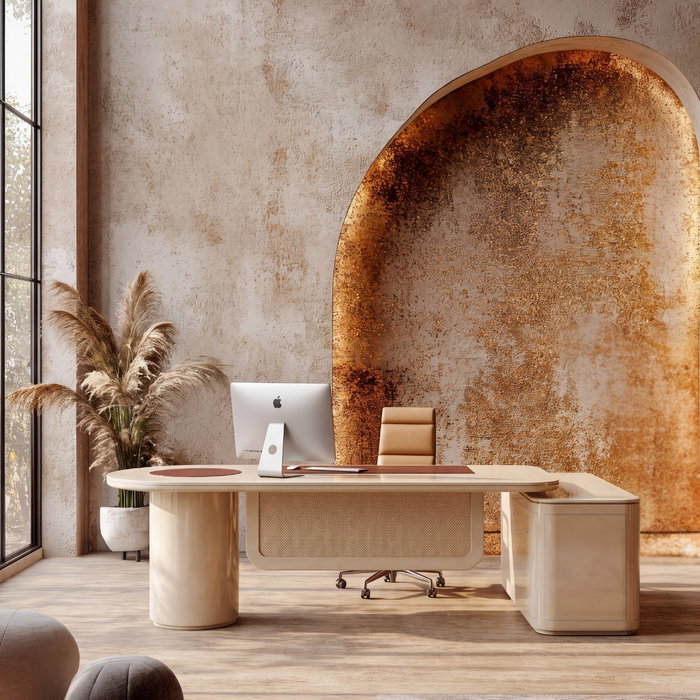
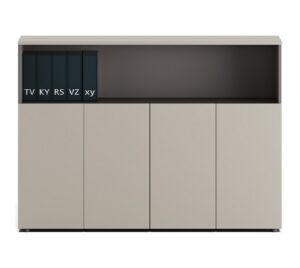
Across materials—from wood and metal to laminates and stone—matte is the undisputed finish for 2026. The era of high-gloss, reflective surfaces is receding as designers and homeowners embrace the quiet, light-absorbing quality of matte. A matte finish imparts a sense of calm and sophistication, reducing visual noise and allowing the form and color of a piece to take precedence. It feels more organic and honest, whether on a lacquered cabinet, a powder-coated steel frame, or a honed marble surface.
The appeal of matte is twofold. Aesthetically, it aligns with the broader trends of Quiet Luxury and Japandi, which favor understated and naturalistic environments. It creates a soft, tactile quality that invites touch and interaction. Technologically, advancements in coatings and materials have made matte finishes more durable and practical than ever before. New generation lacquers and surfaces offer enhanced resistance to fingerprints, scratches, and stains, overcoming the maintenance concerns that previously limited their application in high-traffic areas like kitchens and dining rooms.
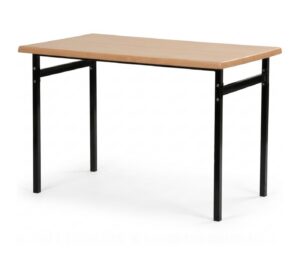
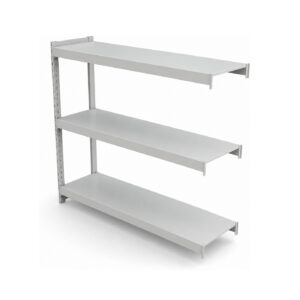
Integrating this trend is straightforward. Opt for matte black or dark bronze powder-coating for metal elements like table legs or shelving supports. Choose honed or leathered finishes for natural stone countertops and tables instead of a high polish. For cabinetry and custom furniture, specify a high-quality, 'dead matte' or 'super matte' lacquer finish. The future of this trend lies in expanding the range and performance of matte surfaces, making this sophisticated finish the default standard for high-quality contemporary furniture.
7. Modular and Kinetic Furniture
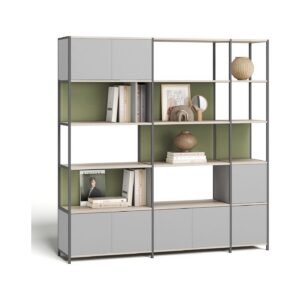
As urban living spaces become more compact and our homes are required to serve multiple functions—office, gym, social hub—the demand for adaptable furniture has intensified. The 2026 concept of modularity goes beyond the simple sectional sofa. It encompasses highly engineered, kinetic systems that allow spaces to be reconfigured with ease. This includes wall systems with movable components, height-adjustable tables that transition from coffee to dining, and beds that integrate storage and workspace solutions.
This trend is driven by pure necessity. A static furniture layout is a luxury many can no longer afford in the context of dynamic living and working arrangements. Flexibility is the new ultimate feature. High-quality kinetic hardware from specialists like Hafele is the invisible engine behind this movement, enabling smooth, reliable transformations. The design challenge is to make this functionality elegant and intuitive, so that the furniture feels intelligent and responsive rather than merely mechanical.
In practice, this could mean a custom-designed media wall where panels can slide to conceal a television, revealing a bookshelf or a fold-down desk. It could be a kitchen island with a retractable countertop section that provides extra seating. For smaller apartments, a single, beautifully crafted piece can contain a bed, a desk, and a wardrobe, all seamlessly integrated. Looking ahead, this trend will merge with smart home technology, allowing for automated reconfigurations based on time of day or pre-set scenarios, making our spaces truly responsive to our needs.
8. Biophilic Design Beyond the Green Wall
Biophilic design is maturing beyond the superficial application of plants or the now-clichéd 'living wall.' In 2026, it represents a deeper, more structural integration of nature into our built environments. The focus is on mimicking natural patterns, forms, and systems to create spaces that genuinely improve well-being. This involves using natural materials in their least-processed state, designing furniture with organic, non-linear forms, and prioritizing layouts that maximize natural light and views of the outdoors.
The principle is rooted in the concept of 'biophilia'—the innate human tendency to seek connections with nature. In an increasingly urbanized world, creating these connections within our homes is essential for reducing stress and improving cognitive function. This more evolved approach is less about literal representations of nature (e.g., leaf-print fabrics) and more about evoking the feeling of being in a natural environment. It's about the subtle interplay of light and shadow, the use of materials that age and patina gracefully, and the creation of spaces that feel sheltered and serene.
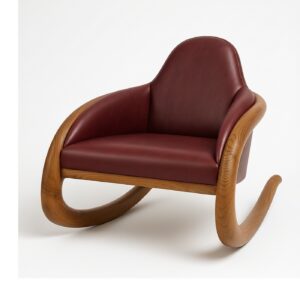
Applying this means selecting furniture with soft, curved silhouettes that break up the tyranny of the straight line. It involves using large slabs of wood with their natural 'live edge' preserved for tables or headboards. It can also mean designing custom joinery, like bookshelves or room dividers, that incorporate dedicated spaces for integrated planting. The future of biophilic design will see the emergence of innovative biomaterials—furniture made from mycelium (mushroom root), wood composites, or recycled agricultural waste—that are not only sustainable but also bring a new, organic material language into our homes.
9. Color: Geothermal Hues and Complex Neutrals
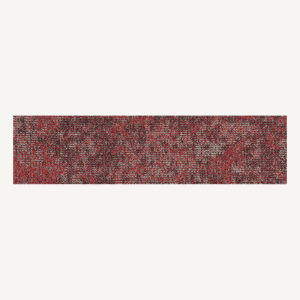
The prevailing color palette for 2026 is moving decisively away from the cool, sterile greys that dominated the last decade. We are entering a period of warmth, depth, and complexity. The new palettes are inspired by geothermal and geological sources, featuring rich, earthy tones like terracotta, burnt sienna, deep ochre, and mossy, mineral greens. These are complemented by dark, grounding shades of charcoal and clay. These colors create environments that feel enveloping, stable, and deeply connected to the earth.
This shift reflects a collective desire for warmth, comfort, and sanctuary in our homes. These are not bright, high-energy primary colors, but rather saturated, nuanced hues that have a calming and grounding effect. They work beautifully with the natural materials central to other key trends, such as wood, stone, and linen. The new neutrals are also more complex: beiges are infused with yellow or pink undertones, and greys are warmed with hints of brown (greige) or green, adding a layer of sophistication that stark white or cool grey lacks.
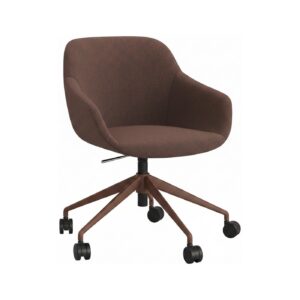
Implementation can range from bold to subtle. A statement sofa upholstered in a rich terracotta velvet can serve as the anchor for a living room. For a more immersive experience, consider using a deep olive green for kitchen cabinetry or a home office library. Even in a more neutral scheme, replacing a standard white wall color with a warm, stony off-white can fundamentally change the atmosphere of a space. The three-year outlook suggests a move towards 'color drenching,' where walls, trim, and even furniture are saturated in the same single, deep hue to create a powerful, cohesive, and cocooning environment.
10. Invisible Technology Integration
As our homes become smarter, the ultimate goal of design is to make the technology disappear. The 2026 approach to smart home integration is one of seamless concealment. The focus is on embedding functionality directly and invisibly into furniture, creating an experience that is intuitive and free of visual clutter. This is not about showcasing technology, but about using it to enhance comfort and convenience without disrupting the aesthetic harmony of a space.
This trend is a response to 'tech clutter'—the proliferation of wires, chargers, speakers, and gadgets that can undermine a carefully designed interior. The most sophisticated solutions are those that are felt but not seen. This requires close collaboration between interior designers, technology integrators, and custom furniture makers to engineer solutions from the ground up. The goal is to preserve the clean lines and material beauty of a piece of furniture while imbuing it with advanced capabilities.
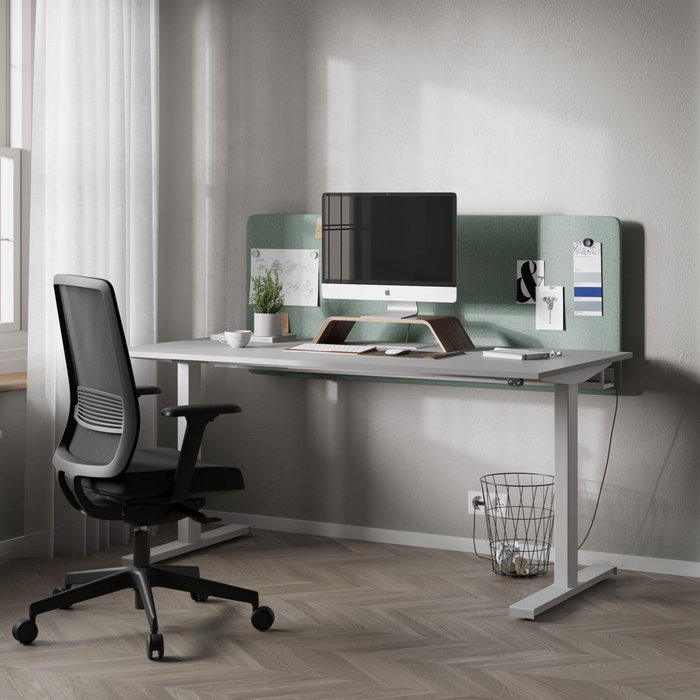
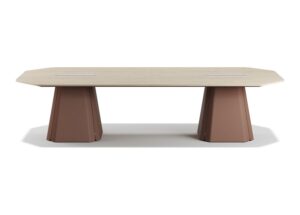
Practical examples include a custom nightstand with a built-in wireless charging pad hidden just beneath the wood veneer surface, or a media unit designed with acoustic fabric panels that conceal high-performance speakers. It could be a conference table for a home office with power, data, and video conferencing ports concealed within a central channel, accessible via a seamless lid. The future will see this integration become even more profound, with furniture featuring embedded sensors that can monitor air quality or adjust lighting, all while remaining aesthetically pure and completely unobtrusive.
Frequently Asked Questions
What furniture colors are trending for 2026?
For 2026, the color palette is shifting towards warm, earthy, and geothermal-inspired hues. Think deep terracotta, ochre, moss green, and charcoal, used alongside complex neutrals like warm beiges and greys with rich undertones. The overall mood is grounding, sophisticated, and enveloping.
Is the Japandi trend still relevant in 2026?
Yes, Japandi is more relevant than ever, having evolved from a trend into a mainstream design philosophy. In 2026, it focuses on creating calm, uncluttered spaces with natural materials and high-quality craftsmanship. The new iteration encourages personalization with local materials and artisanal objects.
Is bouclé fabric out of style?
While not entirely 'out,' the oversaturation of bouclé has led designers to seek more refined alternatives. The focus for 2026 is shifting from heavy, looped textures to sophisticated surfaces like fine wool blends, performance velvets, and advanced ultra-matte materials that offer a more subtle and enduring tactile experience.
What is 'Anadolu Modern' and why is it a rising trend?
Anadolu Modern is a design movement that reinterprets traditional Anatolian motifs, materials, and crafts through a contemporary, minimalist lens. It's rising because it offers an authentic, culturally rooted alternative to globalized design, creating a unique sense of place and identity in modern interiors.
In 2026, are metal or wood details more prominent?
Both are prominent, but their application is key. Natural, FSC-certified wood with honest finishes remains central. When metal is used, it's typically in a subtle, structural role with a sophisticated matte finish, such as powder-coated black or dark bronze steel, rather than a shiny, decorative accent.
Are matte or gloss lacquer finishes more in use?
Matte finishes are overwhelmingly dominant for 2026. High-gloss surfaces are being replaced by deep, light-absorbing matte and super-matte lacquers that create a calmer, more sophisticated, and contemporary feel. Advances in technology have also made these finishes more durable and easier to maintain.
Is modular furniture a better choice?
For modern living, particularly in smaller or multi-functional spaces, modular and kinetic furniture is often a superior choice. It provides the flexibility and adaptability needed to make a home function as an office, living area, and entertainment space. The key is to invest in high-quality systems with durable, well-engineered mechanisms.
How is sustainable material selection evolving in 2026?
In 2026, sustainability is about certified transparency. Simply using 'natural' materials is not enough; the focus is on specifying FSC-certified timber to guarantee responsible forest management. There is also a growing interest in innovative biomaterials and high-quality reclaimed resources.
How is the smart home being integrated into furniture?
The leading trend is 'invisible integration.' Technology like wireless charging, speakers, and connectivity ports are being seamlessly embedded within furniture, hidden beneath surfaces or behind panels. The goal is to provide full smart home functionality without the visual clutter of wires and gadgets.
Kavela's Design Approach for 2026 and Beyond
The movements shaping 2026 are not disparate trends but interconnected threads weaving a new definition of quality living. They point towards a future where our homes are more intentional, sustainable, and authentic. The overarching themes are clear: a preference for the quiet confidence of 'Silent Design' over loud declarations, a deep respect for material provenance and craftsmanship, a celebration of local identity through 'Anadolu Modern,' and a demand for adaptable, intelligent spaces. These principles guide our work, pushing us to create furniture that is not just an object in a room, but an integral part of a thoughtful and enduring living environment. For those looking to translate these meaningful shifts into a personal and lasting space, our design team and atelier in Ankara are ready to begin the conversation.