











4 April 2026
Active Sitting: Dynamic Working Tips for Ergonomic Chairs
Sitting in a fixed position for long hours in traditional office environments is one of the biggest health problems of modern life. However, the concept of "active sitting" aims to fundamentally change this. Active sitting is an approach that encourages the body to make continuous micro-movements, keep muscles active, and accelerate blood circulation, even when sitting in an ergonomic chair, rather than remaining passive. This guide explains what active sitting is, why it's important, and how you can work dynamically in your ergonomic chair, a crucial aspect of 'ergonomic office design' and 'turkey office furniture' choices.
Quick Answer: Active sitting, even in ergonomic chairs, keeps muscles active, improves blood circulation, and reduces the negative effects of prolonged sitting by enabling the body to make continuous micro-movements. It prevents posture problems and increases productivity.
In today’s business world, prolonged sitting has become an unavoidable reality, especially for office workers. However, this situation brings with it a range of health problems, from back pain and neck stiffness to metabolic syndrome and circulatory issues. While traditional approaches focus on maintaining correct posture, modern ergonomics science offers an innovative solution with the concept of “active sitting.” Active sitting is a philosophy that not only involves having the right ergonomic office chair but also encourages dynamic and active movement even while seated. This article will guide you step-by-step on what active sitting is, why it’s so important, and how you can work dynamically in your ergonomic chair for a healthier, more energetic, and productive work experience, a key consideration for ‘turkey office furniture’ and ‘ergonomic office design’.
What is Active Sitting and Why is it Important?
Active sitting, as the name suggests, is based on the principle of staying active even while seated. This encourages the spine and surrounding muscles to make continuous micro-movements, change positions, and gently stretch, rather than sitting passively in a fixed position. The goal is to meet the body’s natural need for movement and minimize the negative effects of prolonged static posture. The importance of active sitting is not limited to physical health; it also increases mental alertness, concentration, and overall productivity. As the body moves, blood circulation accelerates, more oxygen reaches the brain, which positively affects cognitive functions. This is a core principle of effective ‘ergonomic office design’.
The Contribution of Ergonomic Chairs to Active Sitting
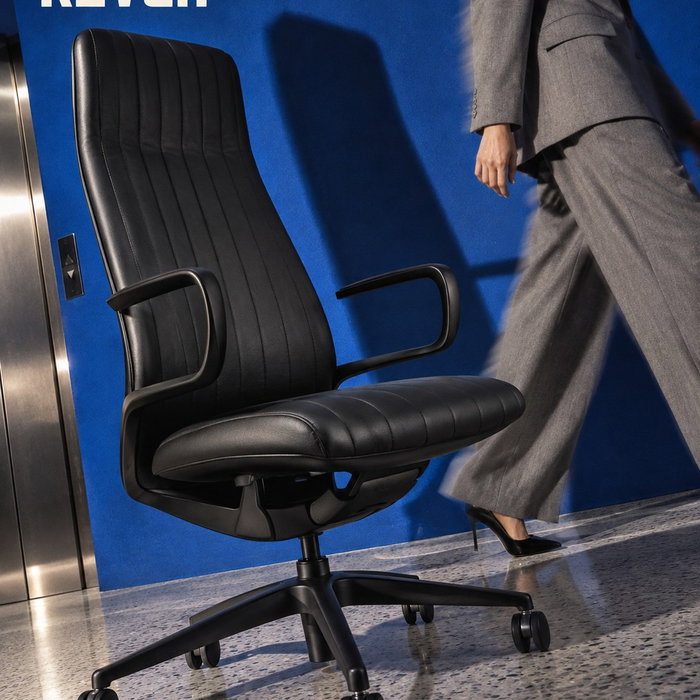
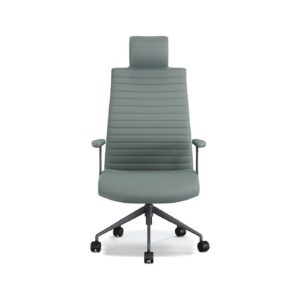
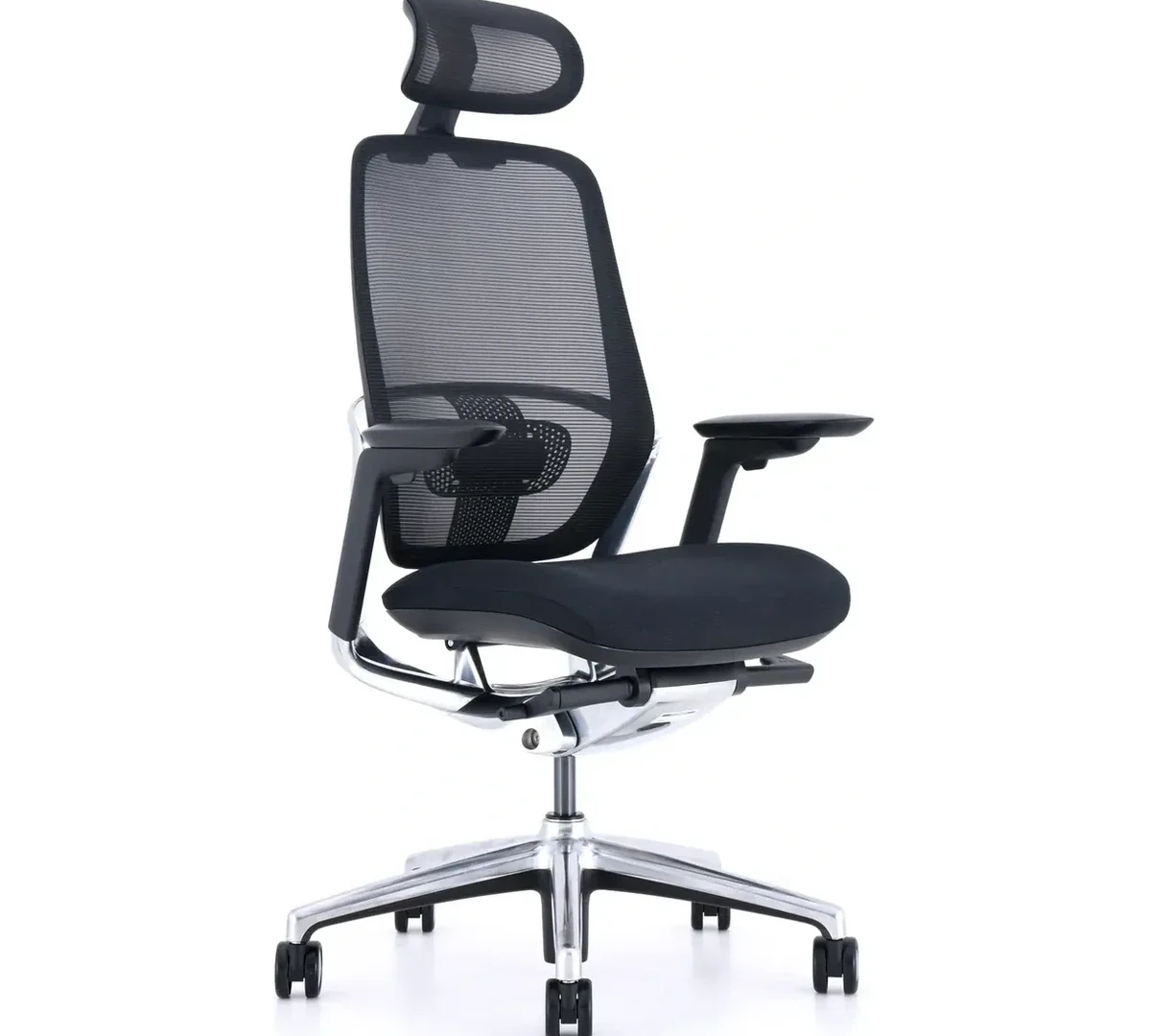
At the heart of active sitting lies a proper ergonomic chair. While traditional chairs often encourage passive sitting, modern ergonomic chairs are designed to support the body’s natural movements. These chairs feature various adjustable mechanisms and supportive features that make active sitting possible. When looking for ‘turkey office furniture’, prioritize chairs with these features.
Adjustable Mechanisms
Ergonomic chairs typically offer multiple points of adjustment, such as armrest height, backrest recline, seat depth, and lumbar support. These adjustments allow users to personalize the chair according to their body type and work habits. Synchronized mechanisms or tilt features, in particular, enable the chair to move with the user’s movements, maintaining the natural curve of the spine and promoting dynamic sitting. This adaptability is central to ‘ergonomic office design’.
Supportive Design
Ergonomic chairs are designed with lumbar and back supports that uphold the natural S-curve of the spine. These supports prevent muscle strain and improve posture. Breathable fabrics, mesh backrests, and gel-filled seat cushions enhance comfort even during prolonged sitting and help regulate body temperature. These features allow users to remain comfortable and active for longer periods. Many ‘turkey office furniture’ brands offer chairs with advanced supportive designs.
Dynamic Working Tips: Implementing Active Sitting
Having an ergonomic chair alone is not enough; to truly implement active sitting, you need to apply some dynamic working tips. These tips eliminate the negative effects of passive sitting by keeping your body constantly in motion.
Micro-Movements and Position Changes
Even while sitting, make continuous small movements. Gently rock back and forth in your chair, occasionally use your backrest at different angles, and change your sitting position. These micro-movements keep your muscles active and accelerate blood circulation. Moving slightly back and forth or side to side on your seat cushion helps keep your spine flexible. Using your chair’s mechanisms to sit at different inclines also engages different muscle groups.
Standing Work Breaks
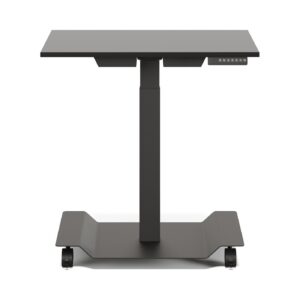
Stand up and move around for short periods every 30-60 minutes. Sit-stand desks greatly facilitate this. Standing up and stretching, walking, or doing simple exercises for a few minutes revitalizes blood circulation and allows your muscles to rest. Adopting habits like taking phone calls or conducting short meetings while standing will also be beneficial. This is a key component of modern ‘ergonomic office design’.
Stretching and Flexing Exercises
Regularly perform simple stretching and flexing exercises during your work hours. Neck rotations, shoulder shrugs, and arm and leg stretches reduce muscle tension and increase flexibility. You don’t need a special area for these exercises; they can easily be done at your desk or in a small space. Such breaks also help refresh you mentally.
- Step 1: Adjust Your Chair