















24 March 2026
How to Choose Office Lighting: Tips for Mood and Productivity
Office lighting is much more than just illuminating a space; it's a critical element that directly affects the overall atmosphere of your work environment, employees' mood, and consequently, their productivity. Inadequate or incorrect lighting can lead to eye strain, headaches, and loss of concentration, while a well-chosen lighting solution boosts energy, enhances focus, and supports overall well-being. In this article, we will thoroughly explore the answer to the question of how to choose office lighting.
Quick Answer: When choosing office lighting, maximizing natural light, balancing task and ambient lighting, paying attention to color temperature, and using glare-reducing fixtures are critical for mood and productivity, especially for office furniture in Turkey.
Choosing office lighting is an indispensable part of modern work environments. Many negative effects, from eye strain to headaches, from decreased motivation to general reluctance, can stem from incorrect lighting choices. However, a well-planned lighting system not only enhances physical comfort but also improves employees’ mood, strengthens their ability to focus, and increases overall productivity. Especially home office lighting is of great importance for focus and eye health. In this guide, you will find comprehensive answers to the question of how to choose office lighting, along with practical tips for mood and productivity.
The Power of Natural Light: The Foundation of Office Lighting
The first step in any office lighting plan is to make the best use of natural light. Sunlight regulates the human body’s biological clock and supports melatonin production, which improves mood. Therefore, positioning desks near windows, using sheer curtains, and opting for light-colored wall paints allow more natural light to penetrate the office. The Guide to Most Efficiently Using Natural Light in Office Lighting can provide you with detailed information on this topic. However, uncontrolled reflections of natural light can also cause problems. Especially in offices with glass facades, reflection problems can lead to glare on monitors, increasing eye strain. In such cases, using adjustable blinds or blackout curtains is important.
Types of Artificial Lighting and Their Uses
As important as natural light is, it may not be sufficient at all hours of the day. Therefore, artificial lighting systems play a supportive and complementary role to natural light in the office environment. Generally, three main types of artificial lighting are used in office lighting:
1. General Lighting (Ambient Lighting)
General lighting is the primary light source that illuminates the entire room evenly. Ceiling fixtures, recessed lights, or fluorescent lamps fall into this category. Its purpose is to provide overall visibility in the room and eliminate dark corners. General lighting should not be too bright or too dim; it should offer a balanced light distribution.
2. Task Lighting
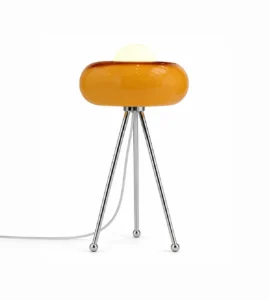
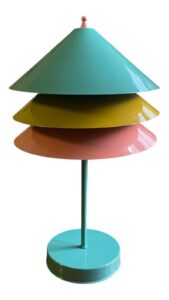
Task lighting is used to illuminate a specific work area or task. Desk lamps, adjustable spot lights, or monitor lamps are examples of this type of lighting. These lights provide extra brightness for detailed work such as reading, writing, or working at a computer, and prevent eye strain. Ensure that task lighting does not cause glare or shadows.
3. Accent Lighting
Accent lighting is used to highlight specific architectural features, artworks, or plants in the office. While adding an aesthetic touch, it enriches the overall ambiance of the office. However, care should be taken to ensure it does not distract in work areas.
Color Temperature and Brightness (Lumens)
When selecting lighting, the light’s color temperature (in Kelvin) and brightness (in lumens) are critically important. Color temperature refers to the light’s “warm” (yellowish) or “cool” (bluish-white) appearance:
- Warm White (2700K-3000K): Creates a relaxing and inviting atmosphere. Suitable for lounge areas.
- Natural White (3500K-4500K): The closest color temperature to daylight. Increases focus and is easy on the eyes. Ideal for general office and work areas.
- Cool White (5000K-6500K): Feels energetic and alert. May be suitable for detailed work or technical drawing areas, but can cause eye strain with prolonged use.
Brightness, on the other hand, indicates how much light a lamp emits. In an office environment, generally 500-700 lumens are aimed for task lighting, and 300-500 lux (lumens/m²) per square meter for general lighting. However, these values should be adjusted according to the room size, ceiling height, and wall colors.
“Proper lighting doesn’t just enable us to see; it also enables us to feel and achieve.”
Lighting Tips for Eye Health and Ergonomics
Office lighting is closely related to eye health and overall ergonomics. Here’s what you need to pay attention to:
- Step 1: Prevent Glare — Prevent light sources from directly hitting your eyes or creating reflections on your monitor. Use fixtures with matte surfaces and anti-glare filters.
- Step 2: Reduce Eye Strain — Long hours in front of a screen.