









6 April 2026
How to Improve Meeting Room Acoustics: Efficient Sound Solutions
Meeting rooms are critical spaces where ideas are shared, decisions are made, and collaboration is fostered. However, poor acoustics can quickly negatively impact this productive environment. Echo, external noise, and sound clutter make communication difficult, reduce focus, and cause fatigue among meeting participants. For an efficient meeting, clear and understandable sound is vital. This article delves into practical and effective solutions you can use to improve meeting room acoustics.
Quick Answer: To improve meeting room acoustics, it’s necessary to use echo-absorbing acoustic panels, sound-absorbing furniture and textiles, implement ceiling and floor applications, and apply insulation solutions to block external noise.
In the modern business world, meetings are fundamental platforms where companies make strategic decisions, generate innovative ideas, and strengthen inter-team collaboration. However, poor meeting room acoustics can severely disrupt these important processes. An echoing room, external noise, and sound mixing; all these make communication difficult, scatter focus, and increase participant fatigue. On the other hand, good meeting room acoustics encourage clear communication, increase concentration, and enable more productive outcomes. This article will step-by-step examine practical and effective sound solutions that can be used to improve meeting room acoustics, relevant for those seeking ‘turkey office furniture’ and ‘ergonomic office design’ solutions.
Acoustic Panels and Wall Applications
One of the most effective ways to improve meeting room acoustics is to use acoustic panels. These panels absorb sound waves, reducing echo and noise. Acoustic panels, which can be mounted on walls, hung, or even designed as decorative objects, offer both a functional and aesthetic solution. Fabric-covered panels, perforated wood panels, or specially designed diffusers optimize sound distribution in the room, increasing speech intelligibility. The placement and number of panels should be determined according to the room’s size and current reverberation level.
The Importance of Floor and Ceiling Acoustics
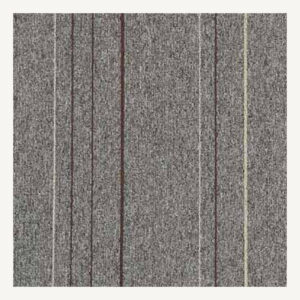
Not just walls, but also the floor and ceiling play a big role in the acoustics of a meeting room. Hard floors (concrete, ceramic, wood parquet) reflect sound, while carpeted floors absorb sound and reduce echo. Thick carpets or acoustic underlays also prevent floor-borne noise transfer, especially for meeting rooms adjacent to open-plan offices. For ceilings, acoustic suspended ceiling panels or sound-absorbing ceiling coverings control vertical echo, improving overall sound quality. Modern designs integrate these ceiling panels with lighting fixtures or ventilation systems for aesthetic coherence, a common feature in modern ‘turkey office furniture’ setups.
Acoustic Factors in Floor Selection
The choice of floor covering directly affects the acoustic performance of the meeting room. Thick office carpets, due to their sound-absorbing capacities, are highly effective in reducing echo. For laminate or parquet floors, a similar effect can be created by laying sound insulation mats underneath or using large area rugs.
Image: Meeting room with acoustic arrangements
Choosing the Right Furniture and Textiles
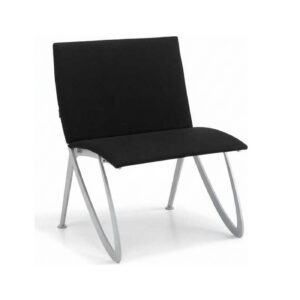
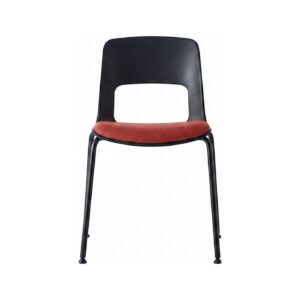
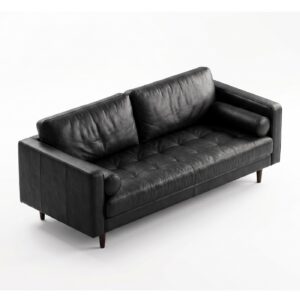
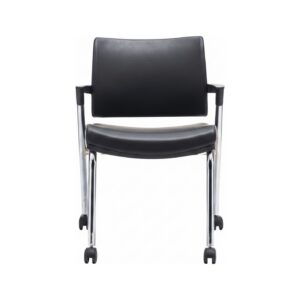
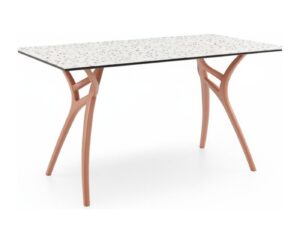
Furniture and textile products can also contribute to meeting room acoustics. While hard-surfaced (wood, metal, glass) tables and chairs reflect sound, fabric-covered chairs, armchairs, or sofas absorb sound. Heavy curtains, wall hangings, or acoustic dividers, especially in large and echoing rooms, increase sound absorption and enhance acoustic comfort. Fabric-covered meeting chairs are a simple but effective solution that naturally improves the overall acoustics of the room, often found in quality ‘turkey office furniture’.
External Noise Insulation and Window Solutions
Meeting room acoustics are not just about sounds within the room; external noise also negatively affects meeting productivity. High-performance sound-insulated doors and windows are critical to prevent external noise from leaking into the room. Double or triple-glazed windows, special sound insulation seals, and thick curtain systems can help solve this problem. Additionally, adding sound insulation materials (rock wool, glass wool) inside the walls minimizes external noise transfer.
“Good meeting room acoustics are a hidden power that directly affects not only the clarity of sound but also participants’ ability to focus and overall meeting productivity.”
Decorative Elements that Increase Sound Absorption and Diffusion
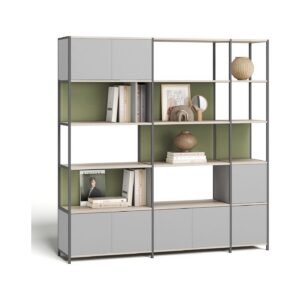
Beyond acoustic panels, some decorative elements can also contribute to sound absorption. Large, textured paintings, books on shelves, objects made from thick fabrics, or even some plants, can help break up sound waves and reduce echo. Especially large and empty wall surfaces tend to reflect sound. Strategically placed decorative elements on these surfaces provide both an aesthetic look and improve acoustic performance.