




















27 March 2026
For Interior Designers: A Guide to Preparing Price Quotes for Clients
A professional guide for interior designers on preparing price quotes. Furniture pricing, profit margins, quote presentation, and contract tips.

One of the most challenging processes for interior designers is preparing an accurate and convincing price quote for a client. If the quote is too high, you lose the client; if it’s too low, your profit margin erodes. So, how do you prepare a professional price quote? Here’s our step-by-step guide.
The Basic Structure of a Price Quote
A professional price quote is not just about numbers. It’s a document that showcases the value you offer, your expertise, and your mastery of the project. A well-prepared quote is the most effective way to gain a client’s trust.
The essential sections that should be included in a price quote are: Project description and scope, material list and unit prices, labor and application costs, furniture and accessory costs, project management fee, payment schedule and timeline, and validity period.
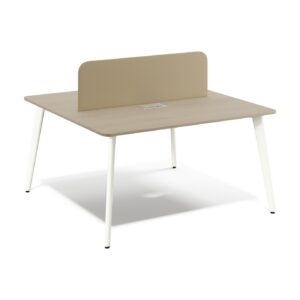
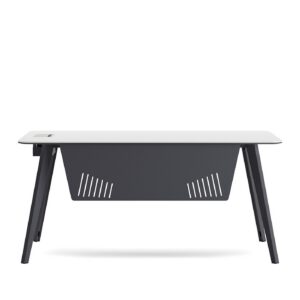
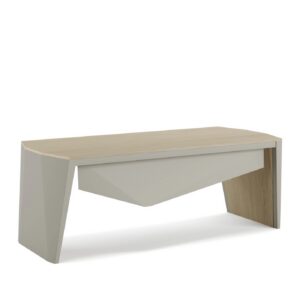
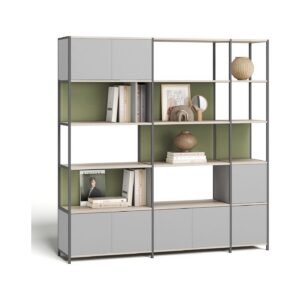
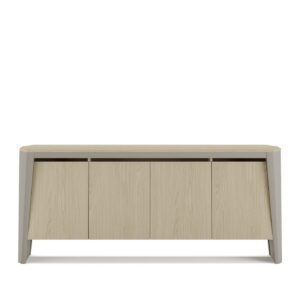
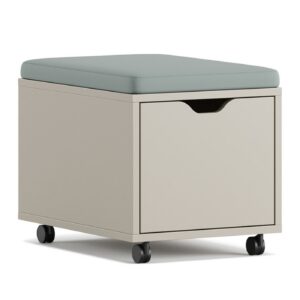
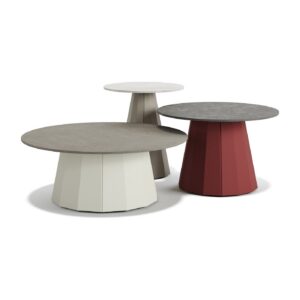
Accurately Pricing Furniture Items for Turkey Office Furniture Projects
In interior design projects, furniture constitutes one of the largest items in the total budget. There are key points to consider when pricing furniture. First, obtain current price lists from manufacturers. Negotiate discount rates for bulk purchases. Specify shipping and assembly costs as separate line items.
For custom-made furniture, calculate material costs and labor costs separately. Clearly show the client the impact of material choices such as MDF, laminate, solid wood, and metal on the price. Offering alternatives makes it easier to provide solutions that fit the client’s budget, especially when sourcing Turkey office furniture.
Determining Your Profit Margin Correctly
In the interior design industry, project-based profit margins typically range between 15% and 35%. This rate should be adjusted according to the project’s size, complexity, and client profile. Margins are generally kept higher for residential projects, while lower margins can be applied to corporate projects due to volume advantages.
Market research is critical when determining your profit margin. To track current market data on decoration and furniture pricing, you can use price comparison platforms like dekorfiyat.com; such resources help you determine reference price ranges when preparing quotes.
Points to Consider in Quote Presentation
Don’t just send your quote as an Excel spreadsheet. Use a professional template, include your logo and contact information. If possible, support it with 3D visualizations or mood boards. When a client visually understands where their money is being spent, the approval process moves much faster.
When presenting the quote, apply these strategies: First, offer three different packages: economic, standard, and premium. This approach gives the client a choice and often creates a tendency to opt for the middle package. Second, support each item with explanatory notes. Instead of “Ergonomic office chair,” write “Ergonomic office chair with lumbar support, adjustable armrests, and mesh back surface.”
Managing the Revision Process
Every quote process involves at least one round of revisions. Be prepared for this. Determine in advance which items in your quote are flexible and which are fixed. Instead of compromising on furniture quality, offer material alternatives to optimize the budget.
Record revision requests and date each version. This demonstrates your professionalism and protects you in potential disputes.
Payment Plan and Contract
After the accepted quote, always prepare a written contract. Determine the payment plan according to the project stages. A common practice is: 30% upon contract signing, 40% during the production phase, and 30% upon assembly and delivery. This structure protects both you and your client.
The quote preparation process is the clearest reflection of an interior designer’s professionalism. A detailed, transparent, and visually strong quote is the first and most important step to winning the project.