












28 February 2026
Open Office Design: A Guide to Productivity and Acoustic Solutions
Open offices have become an indispensable part of modern work culture. However, when not planned correctly, they can lead to decreased productivity and concentration problems. This comprehensive guide offers step-by-step practical solutions to overcome challenges in open office design, boost productivity, and ensure acoustic comfort. Discover strategies that will enhance your employees' motivation and work performance.
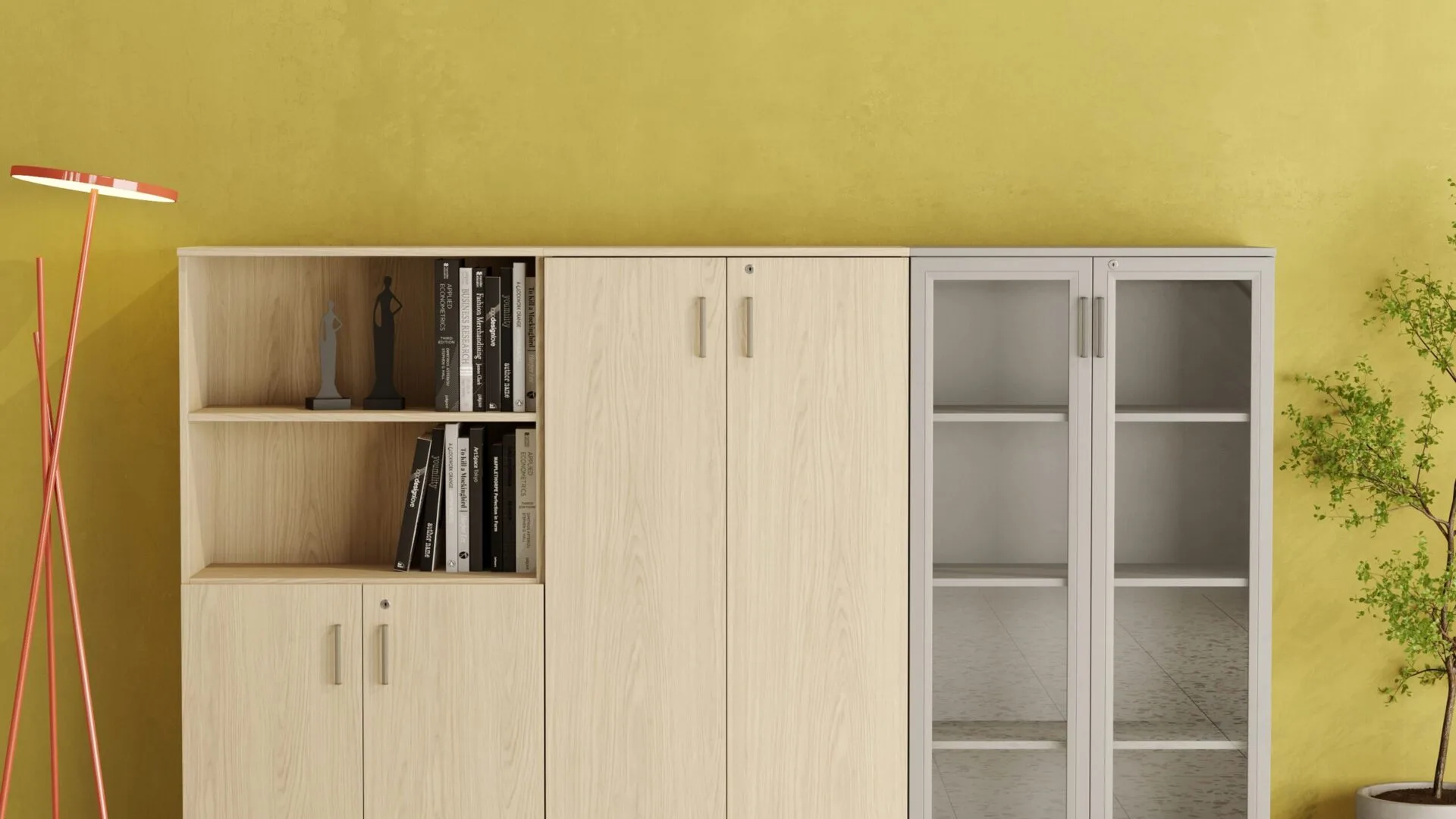
In today’s business world, there is a growing quest to move away from traditional cellular office models and create more dynamic, collaborative, and flexible work environments. One of the most popular outcomes of this quest is open offices. Open Office Design has the potential to foster communication among employees, increase spatial efficiency, and strengthen company culture, while also bringing its own unique challenges. Issues such as noise, lack of privacy, and concentration problems, in particular, stand as significant obstacles to the success of open offices. However, with proper planning, innovative solutions, and employee-centric approaches, it is possible to overcome these challenges.
This guide aims to maximize the advantages offered by open offices while providing practical and implementable solutions to common problems encountered. Productivity and acoustic comfort, in particular, stand out as two fundamental pillars of modern open office design. We will examine step-by-step how to create a more productive, healthy, and happy work environment through interior design principles, ergonomic furniture selections, and advanced technology integration. Our goal is to help businesses and designers create inspiring and functional open office spaces that truly meet the needs of employees. Let’s explore this important topic, which shapes the future of modern workplaces, in detail, with a focus on Turkey office furniture and ergonomic office design.
Fundamentals of Productivity-Oriented Open Office Layouts
The primary goal of open offices is to increase collaboration and accelerate information flow. However, achieving these goals requires intelligent spatial arrangement. A productivity-oriented Open Office Design should be created not only with aesthetic concerns but also by considering work dynamics and human behavior. Correctly defining spatial flow, creating suitable zones for different work modes, and positioning workstations according to ergonomic principles directly impact overall productivity.
Creating Spatial Flow and Functional Zones
In an open office, different areas are needed for different tasks. This is the most critical point to consider when planning spatial flow. For example, quiet zones for tasks requiring intense concentration, collaboration areas for teamwork, huddle rooms for quick meetings, and social areas for relaxation should be defined. These functional zones can be separated by physical barriers (low panels, plant walls), changes in floor coverings, lighting differences, or furniture groupings. Creating clear routes within the space ensures uninterrupted movement for employees while minimizing unnecessary distractions. The width of corridors, the clarity of transition points, and the easy accessibility of each zone are key to a productive work environment.
Ergonomic Planning of Workstations
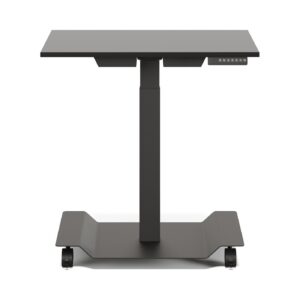
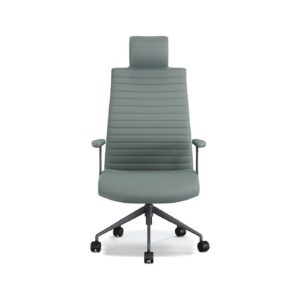
Employee productivity and health are directly related to the ergonomics of workstations. Each desk and chair should be adjustable to individual needs. Height-adjustable desks, a popular choice in Turkey office furniture, offer employees the option to work standing, reducing the negative effects of prolonged sitting. Ergonomic chairs support correct posture, preventing back and neck pain. Proper positioning of screens at the correct height and distance, and adjusting keyboard and mouse usage to protect wrist health, are also of great importance. The distance between workstations should be planned to maintain a sense of personal space and minimize disturbance from neighboring conversations. These details enhance employees’ physical comfort, allowing them to focus for longer periods and thus contributing to overall productivity.
Acoustic Management: Ways to Control Noise
One of the biggest challenges in open office environments is undoubtedly noise management. Phone calls, keyboard sounds, team chats, and external noises can seriously disrupt employee concentration and reduce productivity. A successful Open Office Design must offer proactive solutions to ensure acoustic comfort. Controlling noise means not only preventing sound from spreading but also absorbing and masking unwanted sounds. This requires the integrated use of various materials and technological solutions, often found in specialized Turkey office furniture and acoustic design products.
Material Selection for Sound Insulation and Absorption
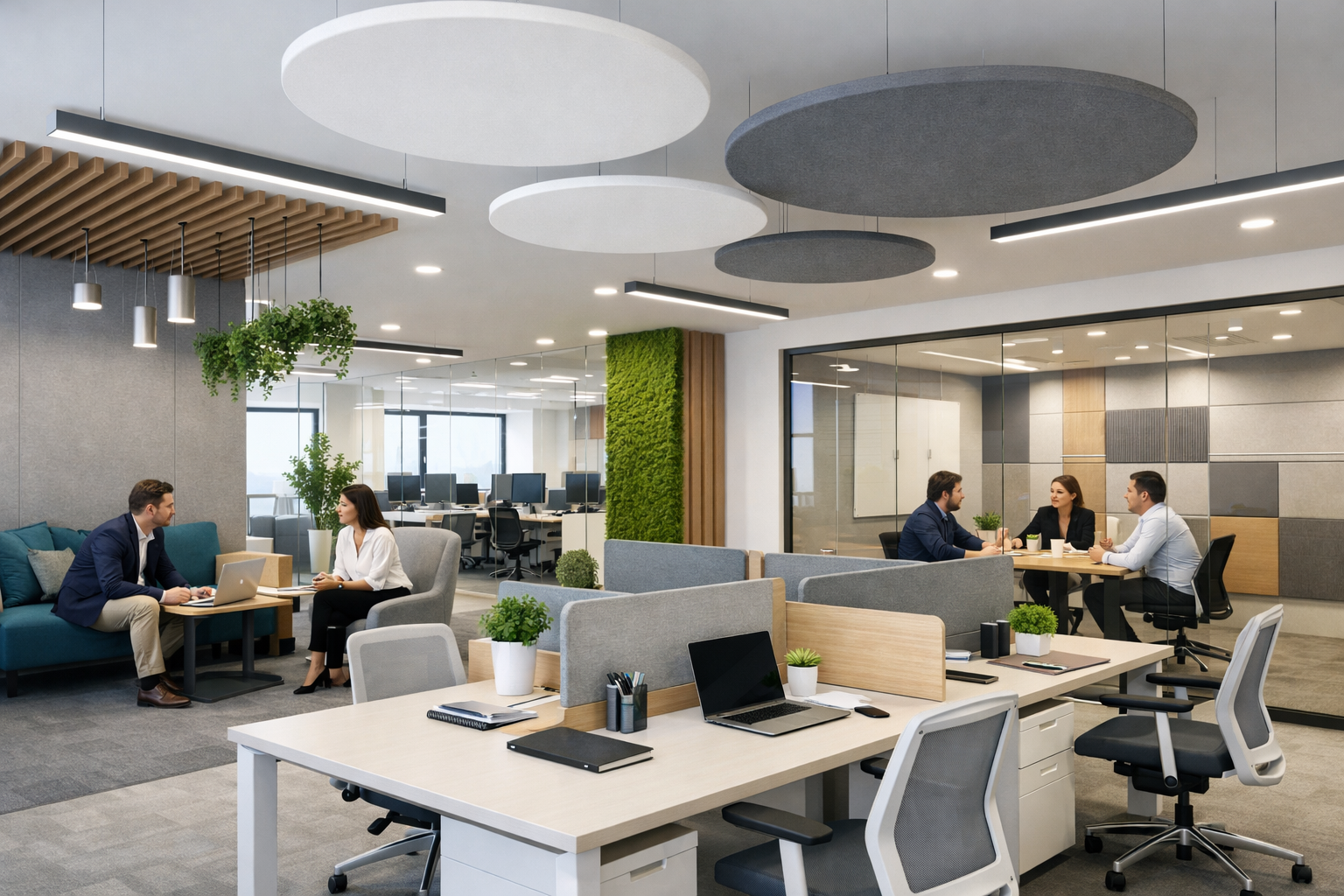
Acoustic performance is directly related to the materials used on a space’s surfaces. Hard surfaces (concrete, glass, metal) reflect sound, while soft and porous materials absorb it. Therefore, the use of sound-absorbing materials is critical in open offices. Acoustic panels or suspended ceiling systems can be preferred on ceilings, fabric-covered panels on walls, special acoustic plasters, or wool-based materials. On floors, sound-absorbing floor coverings like carpeting significantly reduce noise from shoes and chair movements. In furniture selection, fabric-covered armchairs, chairs, and dividers contribute to sound absorption. Strategic placement of these materials reduces reverberation and lowers the overall sound level, creating a calmer work environment.
Acoustic Panels and Dividers
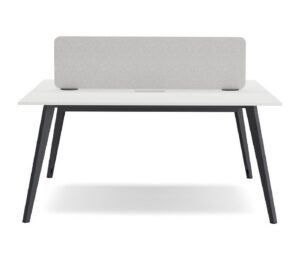
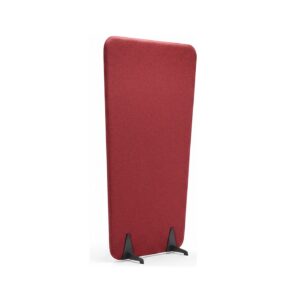
Acoustic panels and dividers are crucial for noise management in open offices.
In today’s business world, there is a growing quest to move away from traditional cellular office models and create more dynamic, collaborative, and flexible work environments. One of the most popular outcomes of this quest is open offices. Open Office Design has the potential to foster communication among employees, increase spatial efficiency, and strengthen company culture, while also bringing its own unique challenges. Issues such as noise, lack of privacy, and concentration problems, in particular, stand as significant obstacles to the success of open offices. However, with proper planning, innovative solutions, and employee-centric approaches, it is possible to overcome these challenges.
This guide aims to maximize the advantages offered by open offices while providing practical and implementable solutions to common problems encountered. Productivity and acoustic comfort, in particular, stand out as two fundamental pillars of modern open office design. We will examine step-by-step how to create a more productive, healthy, and happy work environment through interior design principles, ergonomic furniture selections, and advanced technology integration. Our goal is to help businesses and designers create inspiring and functional open office spaces that truly meet the needs of employees. Let’s explore this important topic, which shapes the future of modern workplaces, in detail, with a focus on Turkey office furniture and ergonomic office design.
Fundamentals of Productivity-Oriented Open Office Layouts
The primary goal of open offices is to increase collaboration and accelerate information flow. However, achieving these goals requires intelligent spatial arrangement. A productivity-oriented Open Office Design should be created not only with aesthetic concerns but also by considering work dynamics and human behavior. Correctly defining spatial flow, creating suitable zones for different work modes, and positioning workstations according to ergonomic principles directly impact overall productivity.
Creating Spatial Flow and Functional Zones
In an open office, different areas are needed for different tasks. This is the most critical point to consider when planning spatial flow. For example, quiet zones for tasks requiring intense concentration, collaboration areas for teamwork, huddle rooms for quick meetings, and social areas for relaxation should be defined. These functional zones can be separated by physical barriers (low panels, plant walls), changes in floor coverings, lighting differences, or furniture groupings. Creating clear routes within the space ensures uninterrupted movement for employees while minimizing unnecessary distractions. The width of corridors, the clarity of transition points, and the easy accessibility of each zone are key to a productive work environment.
Ergonomic Planning of Workstations
Employee productivity and health are directly related to the ergonomics of workstations. Each desk and chair should be adjustable to individual needs. Height-adjustable desks, a popular choice in Turkey office furniture, offer employees the option to work standing, reducing the negative effects of prolonged sitting. Ergonomic chairs support correct posture, preventing back and neck pain. Proper positioning of screens at the correct height and distance, and adjusting keyboard and mouse usage to protect wrist health, are also of great importance. The distance between workstations should be planned to maintain a sense of personal space and minimize disturbance from neighboring conversations. These details enhance employees’ physical comfort, allowing them to focus for longer periods and thus contributing to overall productivity.
Acoustic Management: Ways to Control Noise
One of the biggest challenges in open office environments is undoubtedly noise management. Phone calls, keyboard sounds, team chats, and external noises can seriously disrupt employee concentration and reduce productivity. A successful Open Office Design must offer proactive solutions to ensure acoustic comfort. Controlling noise means not only preventing sound from spreading but also absorbing and masking unwanted sounds. This requires the integrated use of various materials and technological solutions, often found in specialized Turkey office furniture and acoustic design products.
Material Selection for Sound Insulation and Absorption
Acoustic performance is directly related to the materials used on a space’s surfaces. Hard surfaces (concrete, glass, metal) reflect sound, while soft and porous materials absorb it. Therefore, the use of sound-absorbing materials is critical in open offices. Acoustic panels or suspended ceiling systems can be preferred on ceilings, fabric-covered panels on walls, special acoustic plasters, or wool-based materials. On floors, sound-absorbing floor coverings like carpeting significantly reduce noise from shoes and chair movements. In furniture selection, fabric-covered armchairs, chairs, and dividers contribute to sound absorption. Strategic placement of these materials reduces reverberation and lowers the overall sound level, creating a calmer work environment.
Acoustic Panels and Dividers
Acoustic panels and dividers are crucial for noise management in open offices.
More posts
All postsLatest posts
@kavelafurniture