






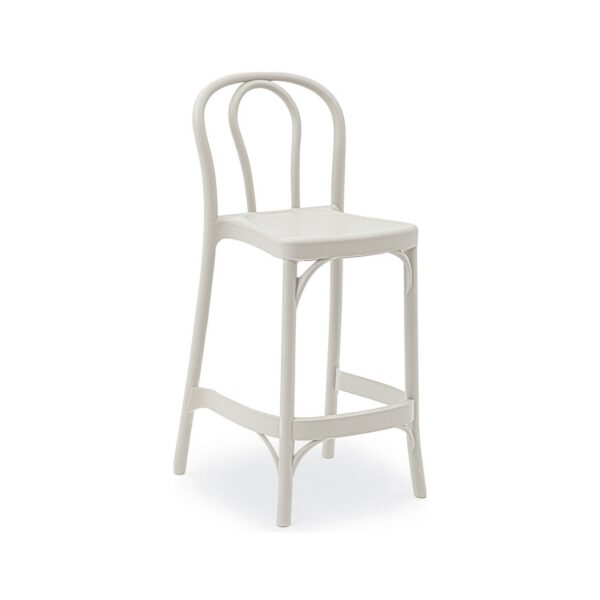
 Barsozo
Bar Chairs
Barsozo
Bar Chairs
Bar Chairs
Featured
Boost
Bar Chairs
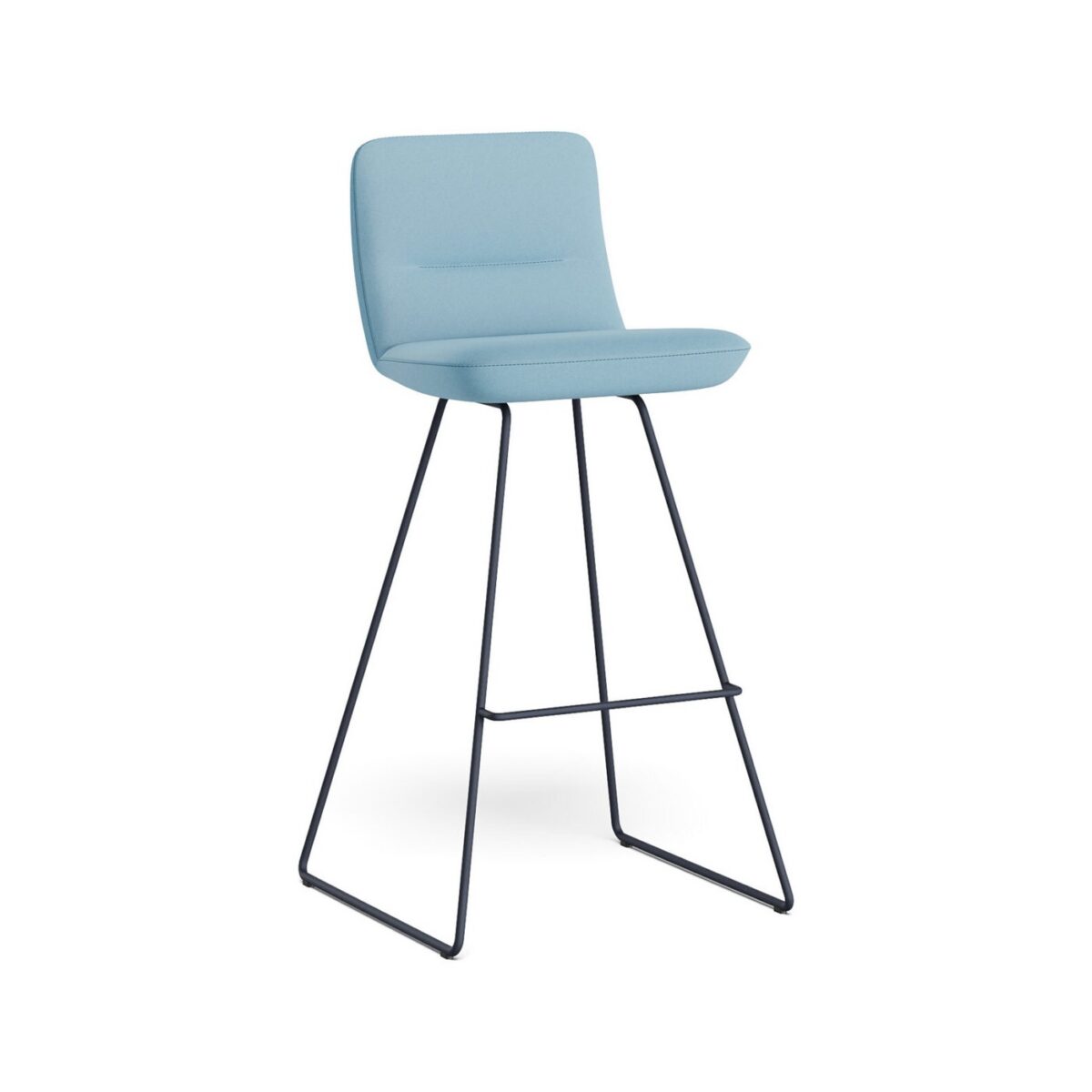
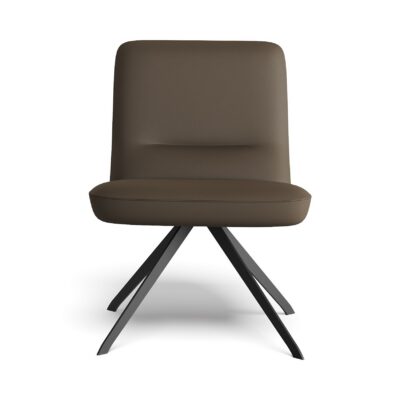
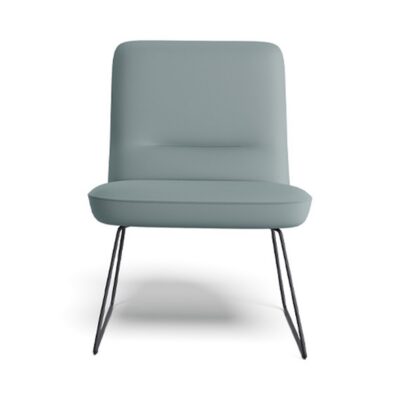
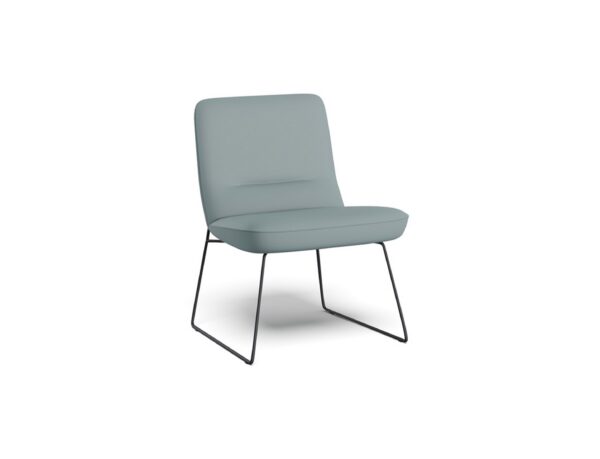
Boost is produced from a single-piece molded foam without a frame; this structure maintains its form for years even with intensive use. The frameless design eliminates pressure points and structural deformations.
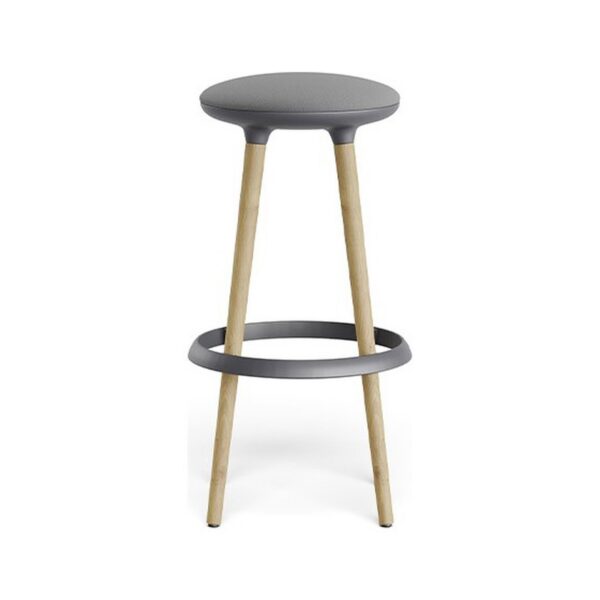
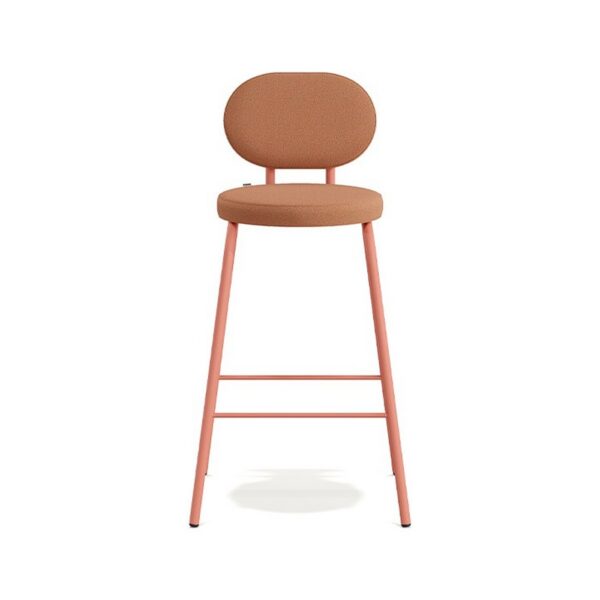
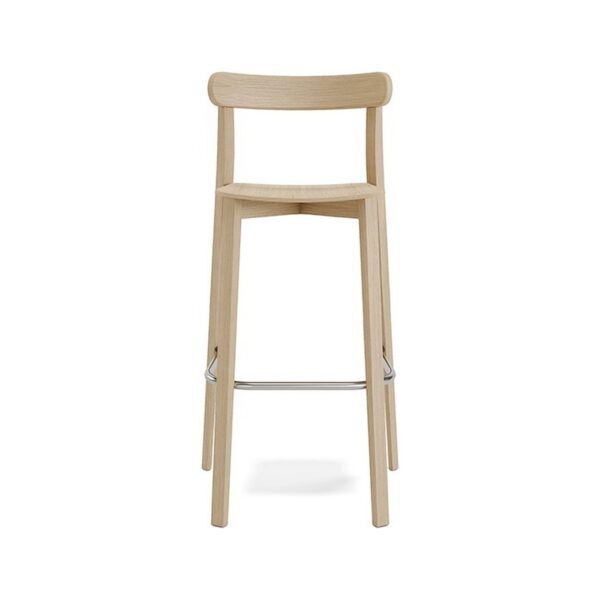
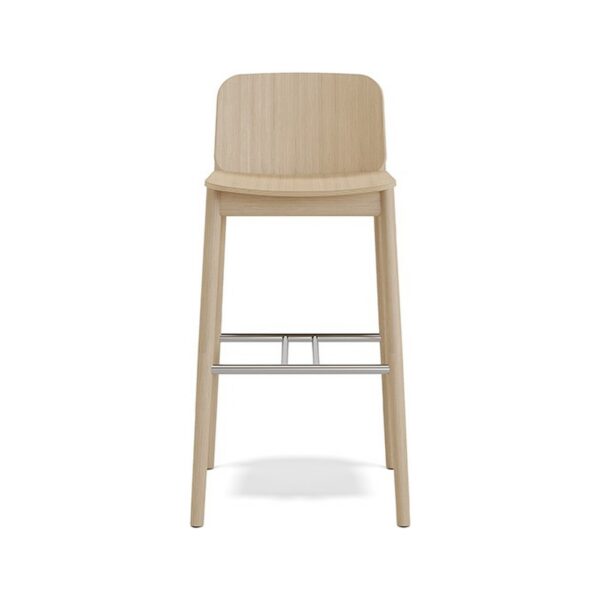
Measure the counter before choosing the seat
Bar chair selection starts with a tape measure, not a catalogue. Leaving roughly 25 to 30 cm between the seat top and the underside of the counter is what allows knees to slide underneath, which is why a kitchen island and a bar counter in the same room often need different models. Five models are listed here: Boost, Cartello, Icho, Lucky and Prop. C-Stool and Code belong to the same band but are listed on the Premium line rather than in this grid. Measured overall heights spread from 76 cm to 109 cm. Icho and Prop carry no height value in their product data, so no figure is quoted for those two.
Read more Show less
With a backrest or without
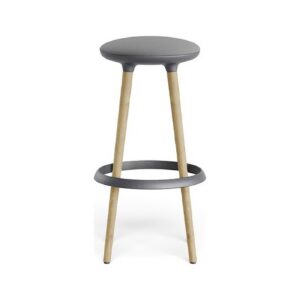
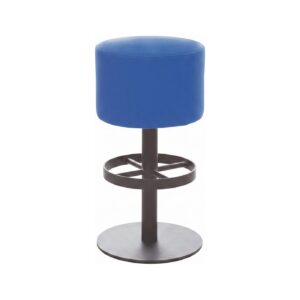
This category deliberately holds both types together, because a single counter often needs both. On the backless side, C-Stool is listed at 85x85x76 cm with a 43 cm seat height and Cartello at Ø40 H77 cm; both push fully under a counter, so they do not narrow a busy service aisle when unoccupied. On the higher side, Lucky is listed at 51x58x109 cm and 52x53x78 cm, giving two very different silhouettes within one model. Code is listed at 48x52x84 cm with a 46 cm seat height and is defined for hospitality and community spaces. Boost’s bar variants stand at 49x52x100 cm on a sled base, 47x49x100 cm on an X base and 44x45x100 cm on a height-adjustable base.
Bases, footrests and floor contact
At counter height the feet cannot reach the floor, so a footrest ring is a requirement rather than a comfort feature. Its height has to be considered together with the counter height; if it sits wrong, legs hang and nobody stays seated for more than fifteen minutes. At floor level there are two separate risks — sliding and scratching. Sled and tube bases distribute contact across a longer line, while a height-adjustable base concentrates it on a single column and makes the chair easier to rotate in place. Whichever base you choose, put glide replacement on the maintenance list: a worn glide is the cheapest part in the room and the one that damages the most expensive surface.
Reading the height figures in context
The figures in this category describe overall height, not seat height, unless a seat height is stated separately. That distinction matters: C-Stool at 76 cm overall has a 43 cm seat, so it is a low stool rather than a bar seat, while Boost’s bar variants at 100 cm overall are genuinely counter-height. Two seat heights are recorded across the range, at 43 and 46 cm. When in doubt, work from the counter downwards rather than from the chair upwards, and check the individual product pages for the variant you intend to order. Armless configurations remain the practical default here, since occupants rest their forearms on the counter and armrests only reduce how many seats fit along its length.
Bar chairs are a subcategory of Side Chairs; for backless and lower seating see the neighbouring stools. For cafe, restaurant and hotel installations Horeca shows the full set, and matching high tops are listed under cafe and bar tables. For standard-height seating around a table go to tables, and for multi-site corporate installations see corporate and project solutions.
Latest posts
@kavelafurniture