








 15-Compartment Metal Storage Locker
File and Archive Cabinets
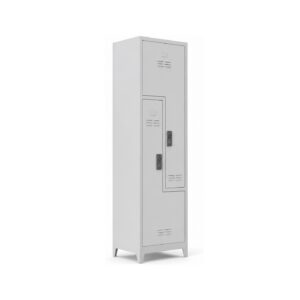
15-Compartment Metal Storage Locker
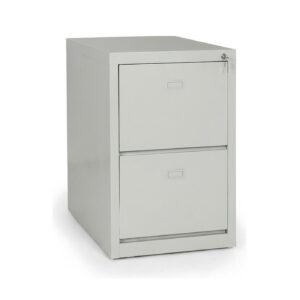
File and Archive Cabinets
Corporate & Project Solutions
PROLINE-
High volume
Production capacity
-
TSE and CE
Product certification
-
Domestic and overseas
Installation
-
End to end
Supply chain
PROLINE product catalogue
Dimensions, materials and technical descriptions.
Download PDF
PDF · 19 pages · 8.4 MB
Some of the projects we have delivered
- Defence industry organisation
- Infrastructure construction contractors
- Oil refinery mobilisation
Client names are not disclosed under contract.
Featured reports
- Turkish Furniture Manufacturing Clusters: A Sourcing Guide for Global Buyers A city-by-city guide to Turkey's furniture manufacturing clusters, Bursa-Inegol, Ankara, Kayseri, Istanbul, Izmir, for international procurement teams. Data cutoff 1 Sep 2026
- The Psychology of Space: Cognitive Load, Colour, Ergonomics A sourced review of cognitive load, attention restoration, colour and ergonomics in interiors, stating separately what each industry figure measures. Data cutoff 6 Sep 2026
- Furniture in H1 2026: The World and Türkiye An evidence-led review of global furniture demand, Türkiye's exports and imports, and the competitive outlook for the second half of 2026. Data cutoff 24 Aug 2026
Featured
10-Compartment Metal Storage Locker
File and Archive Cabinets
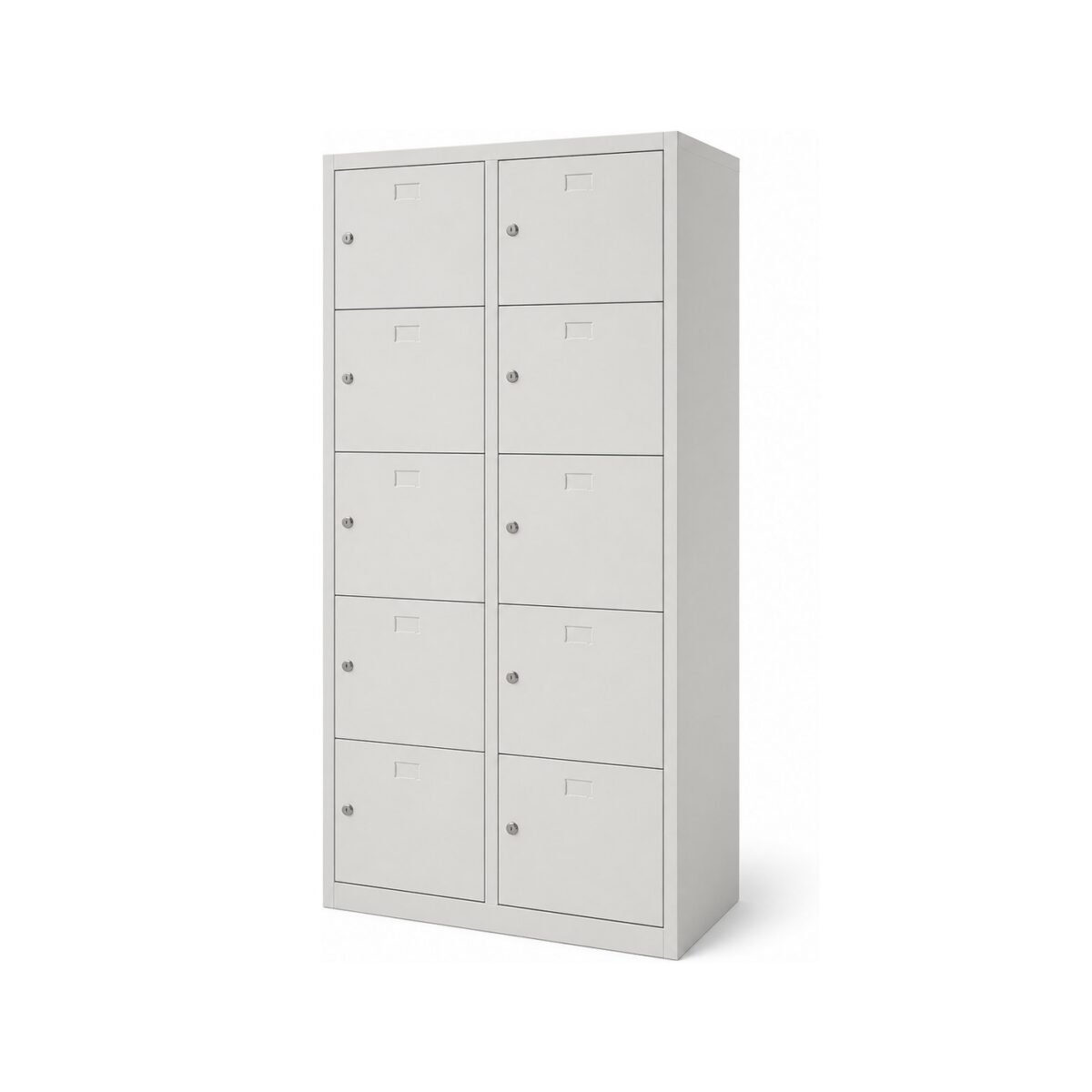
Ten independently locking compartments in two columns and five rows. Size 88 × 40 × 170 cm (width × depth × height).
15-Compartment Metal Storage Locker
File and Archive Cabinets
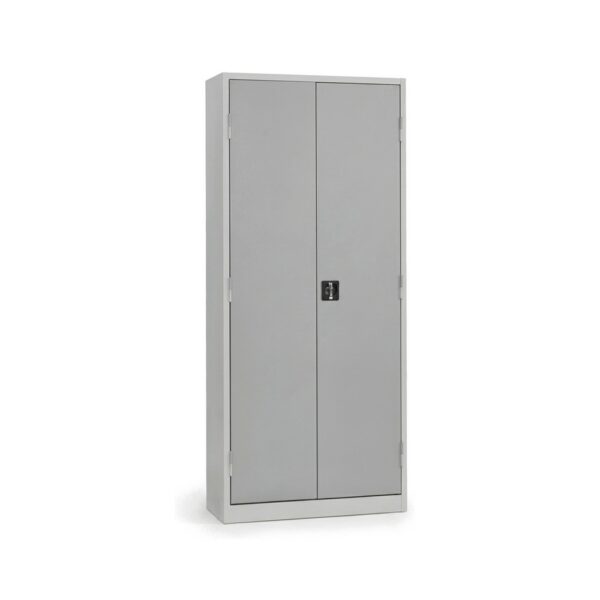 Large Filing Cabinet
File and Archive Cabinets
Large Filing Cabinet
File and Archive Cabinets
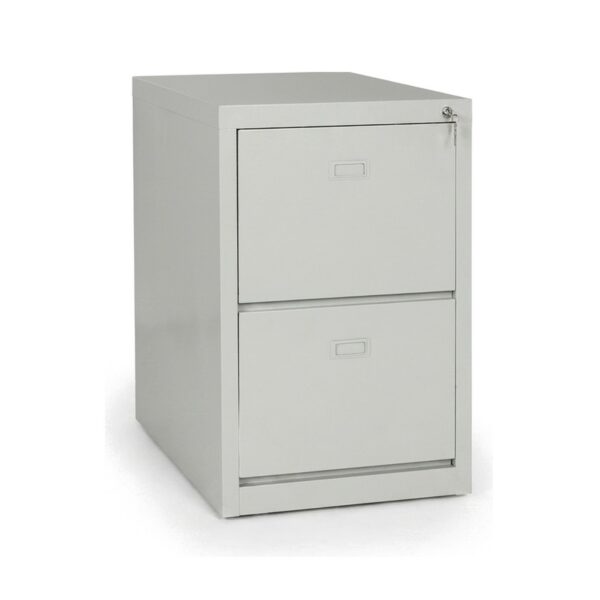 Card Index Filing Cabinet
File and Archive Cabinets
Card Index Filing Cabinet
File and Archive Cabinets
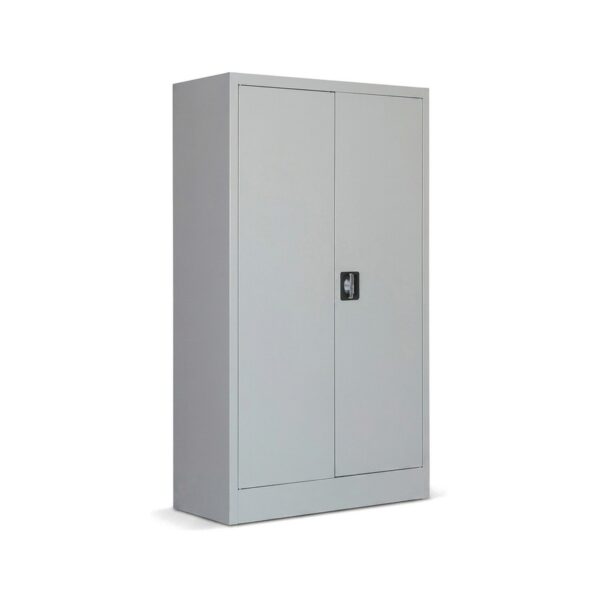 Steel Filing Cabinet
File and Archive Cabinets
Steel Filing Cabinet
File and Archive Cabinets
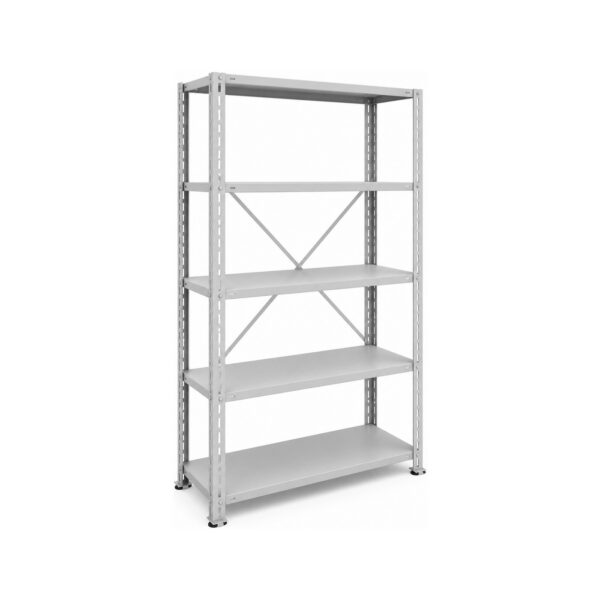 Steel Archive Shelving
File and Archive Cabinets
Steel Archive Shelving
File and Archive Cabinets
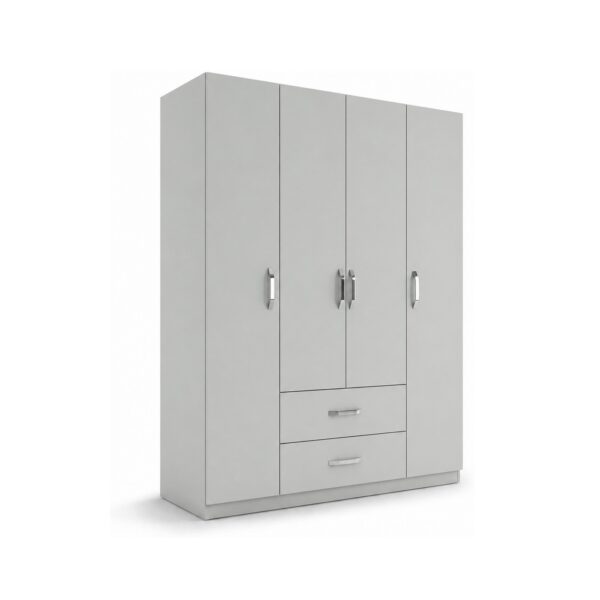 Four-Door, Two-Drawer Wardrobe
Construction Site Furniture
Four-Door, Two-Drawer Wardrobe
Construction Site Furniture
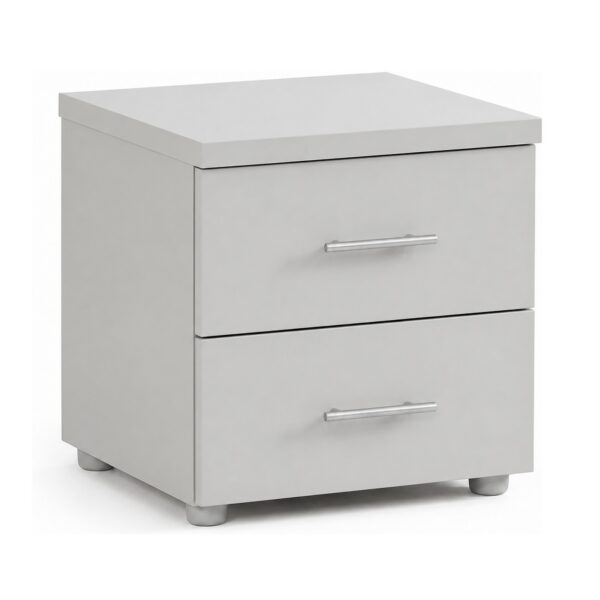 Two-Drawer Bedside Cabinet
Construction Site Furniture
Two-Drawer Bedside Cabinet
Construction Site Furniture
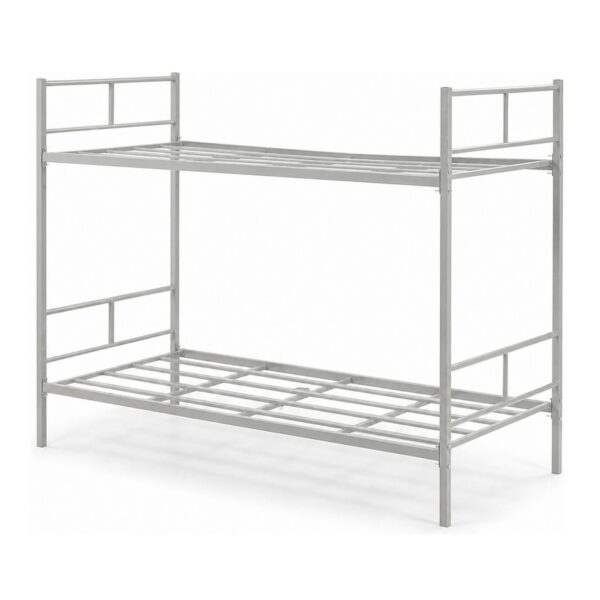 Steel Worker Bunk Bed
Construction Site Furniture
Steel Worker Bunk Bed
Construction Site Furniture
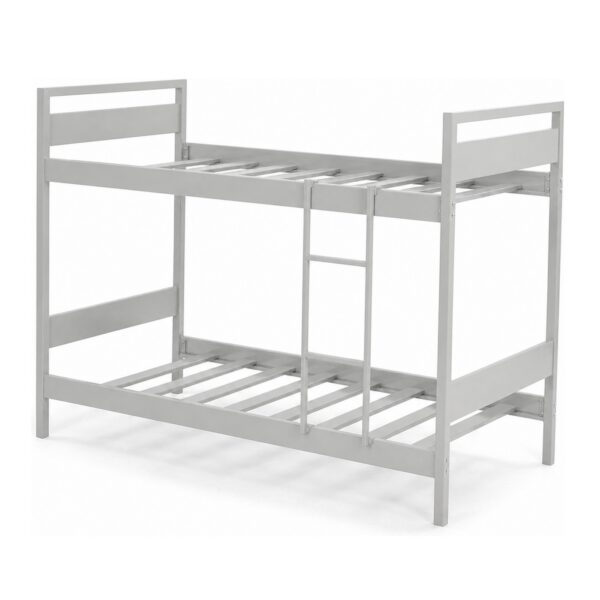 Profile Steel Bunk Bed
Construction Site Furniture
Profile Steel Bunk Bed
Construction Site Furniture
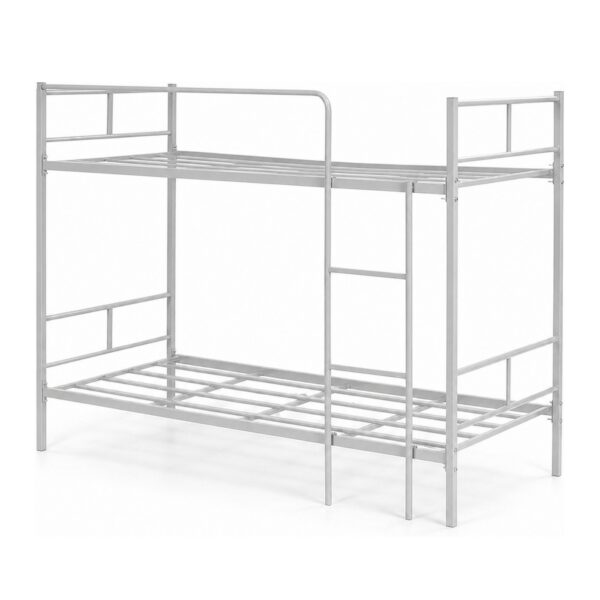 Reinforced Steel Bunk Bed
Construction Site Furniture
Reinforced Steel Bunk Bed
Construction Site Furniture
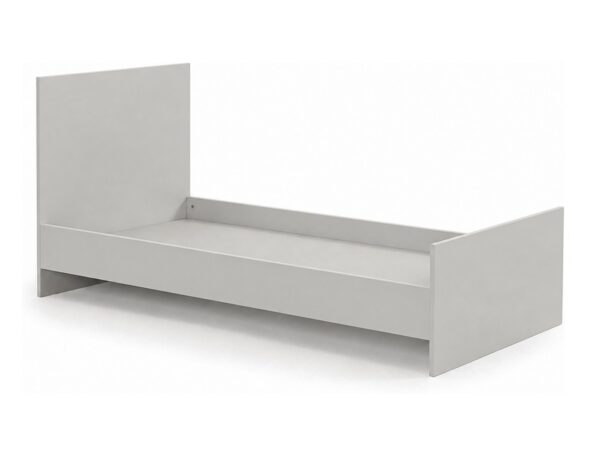 Melamine Site Bed
Construction Site Furniture
Melamine Site Bed
Construction Site Furniture
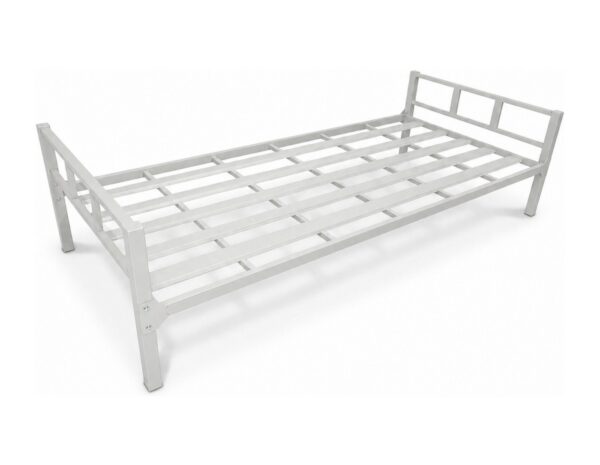 Metal Site Bed
Construction Site Furniture
Metal Site Bed
Construction Site Furniture
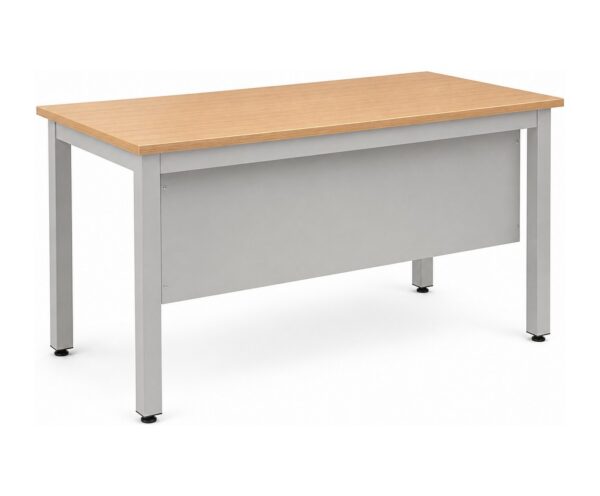 Site Office Staff Desk
Construction Site Furniture
Site Office Staff Desk
Construction Site Furniture
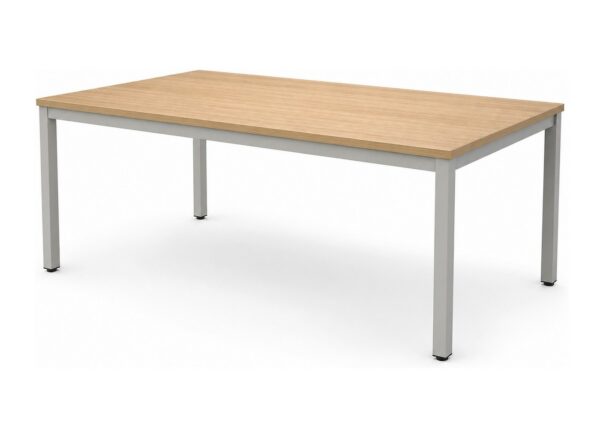 Site Office Meeting Table
Construction Site Furniture
Site Office Meeting Table
Construction Site Furniture
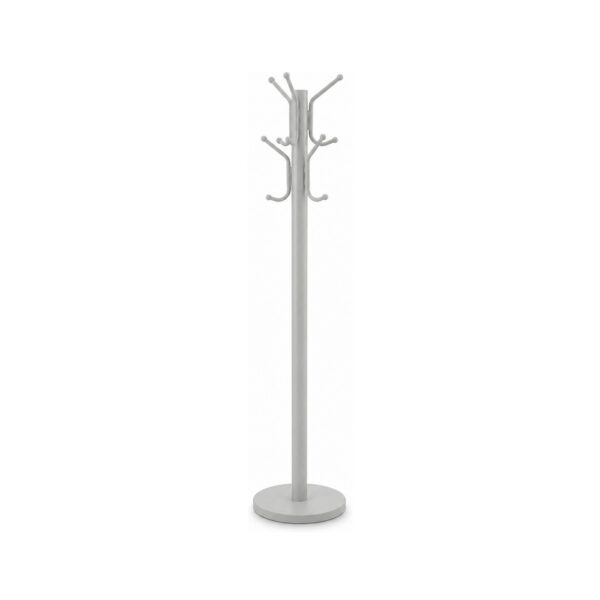 Free-Standing Metal Coat Stand
Construction Site Furniture
Free-Standing Metal Coat Stand
Construction Site Furniture
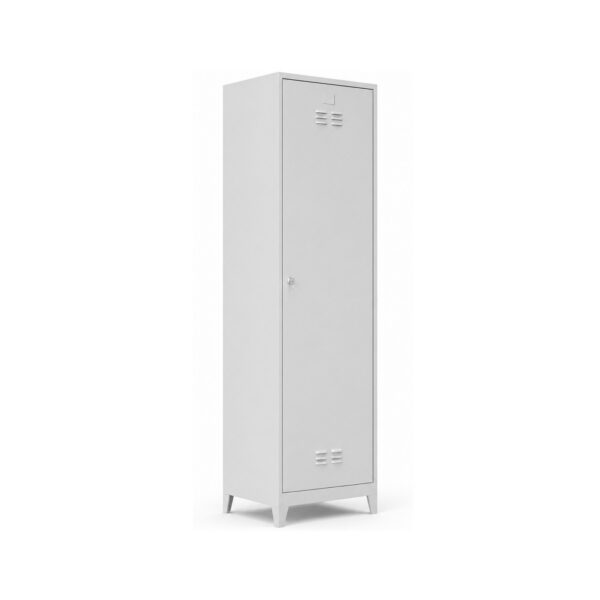 Single Metal Locker
Locker Cabinet
Single Metal Locker
Locker Cabinet
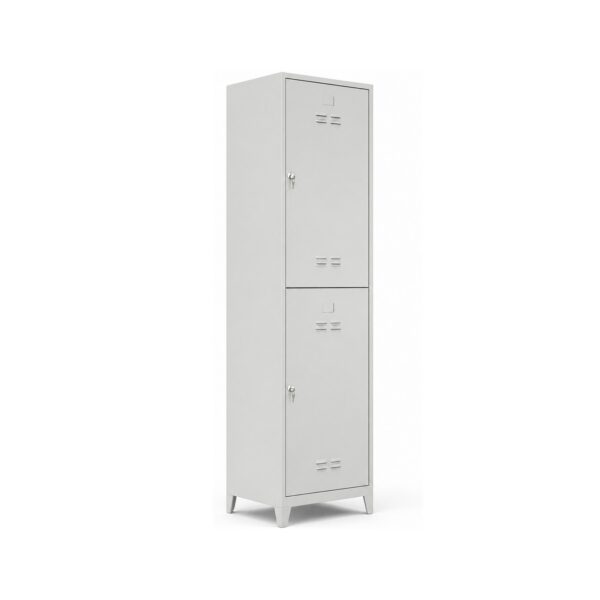 2-Tier Metal Locker
Locker Cabinet
2-Tier Metal Locker
Locker Cabinet
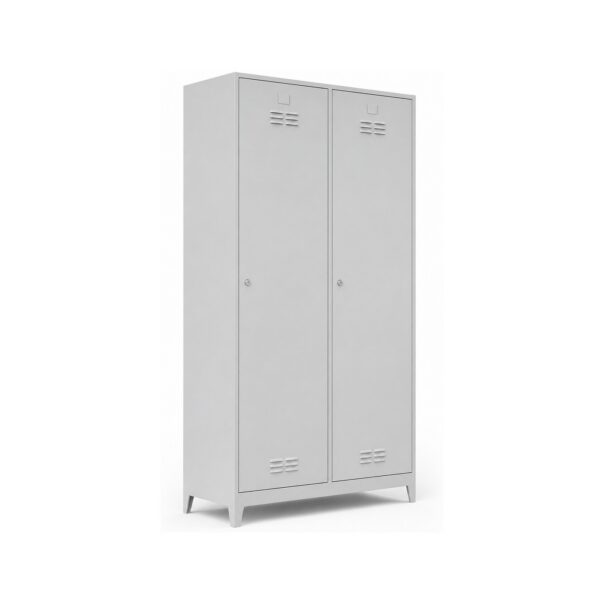 2-Person Metal Locker
Locker Cabinet
2-Person Metal Locker
Locker Cabinet
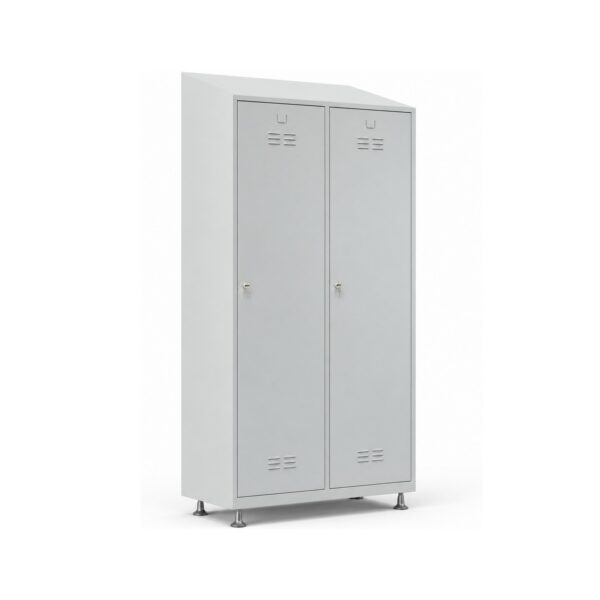 2-Person Sloping-Top Metal Locker
Locker Cabinet
2-Person Sloping-Top Metal Locker
Locker Cabinet
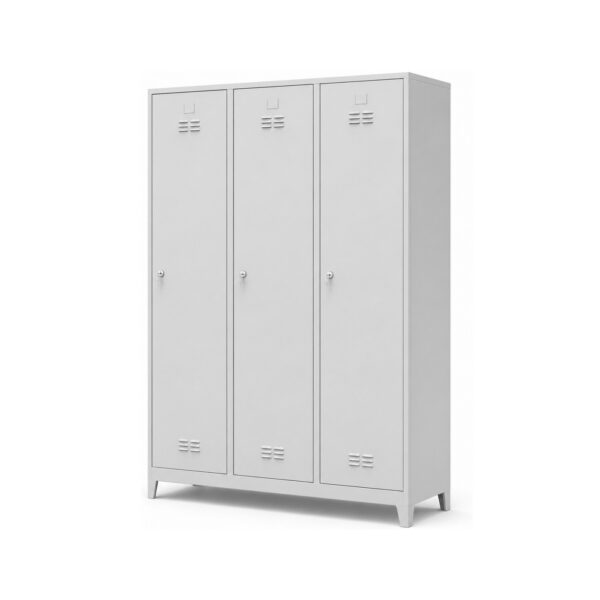 3-Person Metal Locker
Locker Cabinet
3-Person Metal Locker
Locker Cabinet
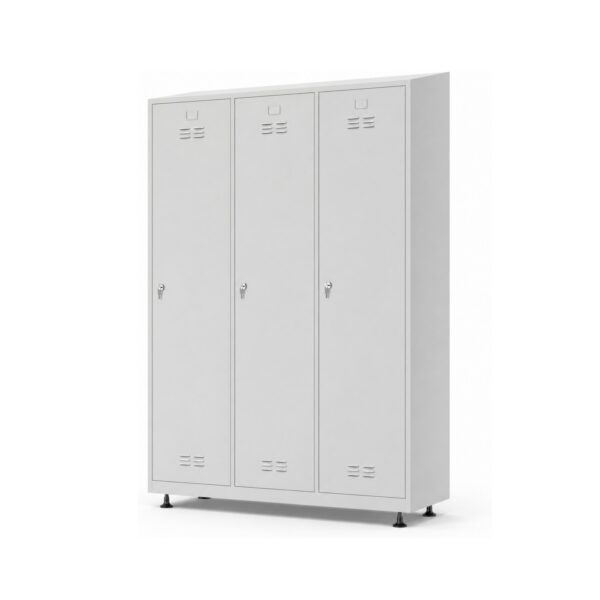 3-Person Sloping-Top Metal Locker
Locker Cabinet
3-Person Sloping-Top Metal Locker
Locker Cabinet
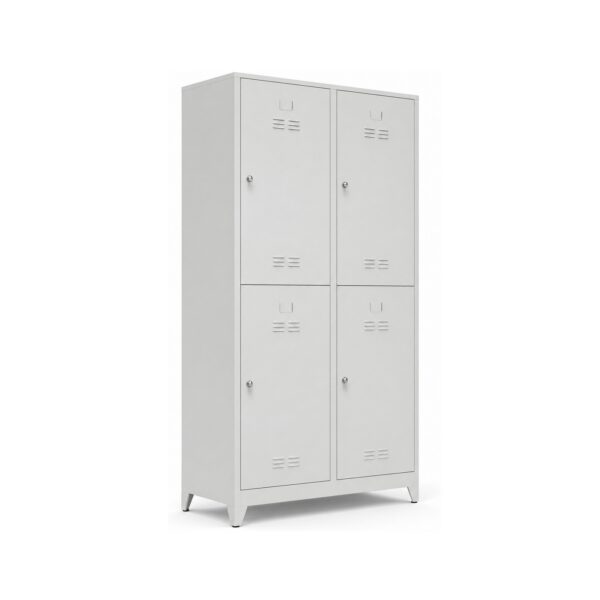 4-Person Metal Locker
Locker Cabinet
4-Person Metal Locker
Locker Cabinet
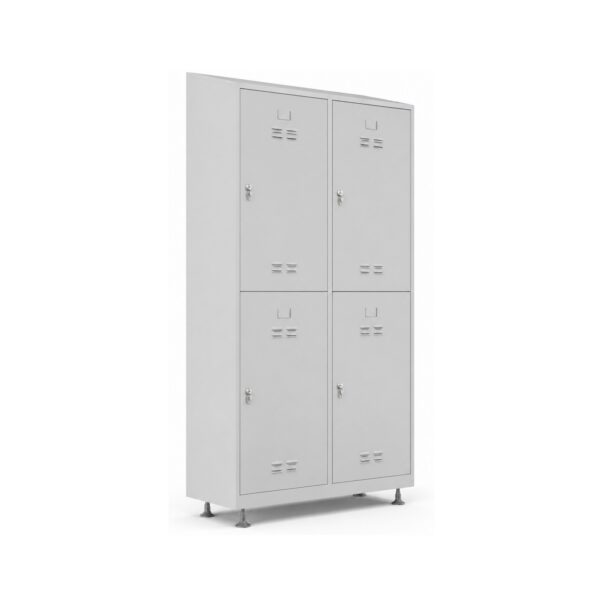 4-Person Sloping-Top Metal Locker
Locker Cabinet
4-Person Sloping-Top Metal Locker
Locker Cabinet
This branch is organised by project, not by product family
The rest of the catalogue is divided by product type: tables, chairs, cabinets. Corporate & Project Solutions is divided by who is buying. A facilities manager, a site supervisor, a procurement team or someone preparing a public tender is not looking for one item; they are fitting out an entire area. The products here address four of them: staff accommodation, document archives, changing rooms and canteens. All four are repeat-configuration, multi-unit purchases, and that is where their selection logic parts company with the office floor.
That has a practical consequence: here you buy from a list, not from a single product page. When one facility is being fitted with accommodation, archive and changing areas at the same time, the four subcategories share a close enough material language that finishes, spare parts and maintenance can run on a single standard. In the office section of the catalogue the product name and the design signature lead the decision; here it is compartment count, body material and repeatability.
Read more Show less
Where steel is used and where melamine is used
Material here is a durability decision, not a styling one. Steel and sheet metal bodies carry the lockers, filing cabinets, card index units and bunk beds. The Metal Site Bed belongs on that side, with a powder-coated steel body and a slatted base system. Melamine is used where people touch the furniture every day: the 4-Door Wardrobe, the Wooden Site Bed and the Two-Drawer Bedside Cabinet all use melamine surfaces that clean easily and hold up in humid rooms. Dining areas introduce a third line: heat- and moisture-resistant Werzalit tops, wooden tops on stainless chrome T-legs, and beech plywood seats on powder-coated metal frames.
Compartment count is the configuration
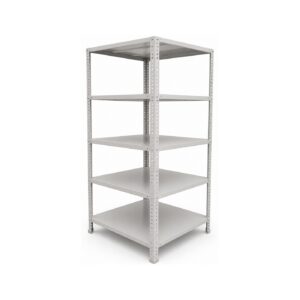
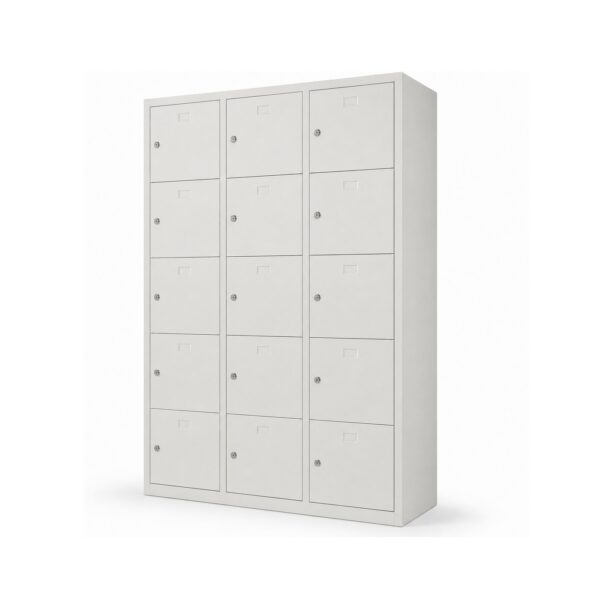
In corporate buying what matters is not variety but whether one body scales. The steel locker family grows in a single language from a single-door unit to four-door and six-door bodies, and on to a Z-type interlocking six-door version. The 15-compartment locker unit concentrates the same idea into one carcass. That way a fifty-person facility is planned around repeats of one body type rather than thirty different products, and finishes, spare parts and installation stay consistent. On the archive side the same approach runs through shelving: a two-door steel filing cabinet and a high-capacity archive cabinet repeat one adjustable-shelf principle at different volumes.
Locks solve a different problem in each category
Lockable is not a feature on its own; what matters is what it separates from whom. In a changing room the lock keeps a member of staff’s own belongings secure through a shift, and each compartment is closed separately. The Card Index Filing Cabinet uses a central lock to close every drawer in one movement, and what is protected there is the integrity of a record set, not personal property. The Steel Filing Cabinet closes a folder archive behind a lockable door. The 15-compartment locker unit works with a lock per compartment and suits temporary storage in schools, facilities and visitor areas.
Fitting out accommodation takes more than a bed
Accommodation is usually planned by counting beds, but a room that actually works has four parts. A single bed or a two-tier bunk sets the area per person: the Steel Profile Bunk Bed is built for heavy-duty use with a thick profile frame, ladder and head and foot panels, and the Reinforced Steel Bunk Bed is the strengthened version of the same family. The wardrobe collects personal clothing through its hanging section and shelf layout. The bedside cabinet adds drawer space at head height, and its raised base keeps floor cleaning simple. Leave one of the four out and the room falls apart within weeks.
Decide the bed type before the bed count, because a bunk directly changes where the wardrobe and the bedside cabinet can physically go. In a two-tier layout the bedside unit moves to the side of the frame rather than the head of it, and the wardrobe needs clearance in front of its doors that a single-bed layout does not demand. Which side the ladder comes down on is part of the same plan.
Where to start
For staff accommodation and dormitory fit-out go to construction site furniture; for shift-based staff areas, locker cabinets; for folder and document archives, file and archive cabinets; and for communal dining, cafeteria tables and chairs. If the same project also covers office floors, review storage cabinets and the wider storage range, and see side chairs for the seating side.
Latest posts
@kavelafurniture