









Factory, Industrial & Manufacturing Facility Furniture
In a factory, furniture is not just the desk in the manager’s office. From locker cabinets used simultaneously by three hundred workers at shift change, to dining tables that fill and empty within minutes during lunch service, from quality control stations next to the production line to the accounting office in the administrative building, every area has its own specific requirements for durability, hygiene, and organization. Unlike office furniture, industrial facility furniture must be selected to withstand moisture, dust, oil, heavy traffic, and frequent cleaning for years.
At Kavela, in our workshop in Ankara Çankaya, we have equipped both the administrative offices and personnel areas of many companies—from production facilities in organized industrial zones to single-building workshops—with custom-measured furniture. With our portfolio of 5 brands and over 340 products, combined with project-specific solutions, you can meet all your needs from a single supplier, from executive desks to metal locker cabinets, from meeting tables to storage racks.
In this guide, we address factory and industrial facility furniture area by area: what to consider in each section, which material makes sense where, how to plan large-scale projects, and how the process works with Kavela. Our aim is to help you clarify what you need before requesting a quote.
Furniture Needs Map for Factories and Industrial Facilities
The healthiest way to plan furniture for an industrial facility is not to see the building as a single space, but as a collection of zones with very different conditions. Each zone has different users, usage intensity, and environmental conditions; therefore, material and product selection should also differ.
Dividing the furniture needs in a typical facility into four main zones simplifies the task:
- Administrative Zone: Management offices, accounting, procurement, human resources, meeting rooms, and reception. Here, aesthetics and comfort are paramount; classic office furniture logic applies.
- Personnel Social Areas: Cafeteria, changing rooms, break areas, prayer room, and infirmary. Intensive and simultaneous use, easy cleanability, and robustness are decisive here.
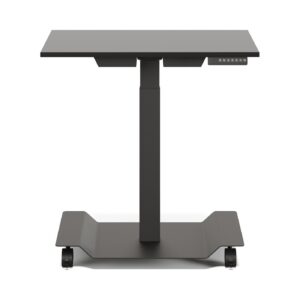
- Production Support Areas: Line-side quality control stations, foreman offices, shift supervisor rooms, sample tables. The dust, humidity, and vibration of the production environment challenge the furniture.
- Storage and Archive: Raw material and finished product warehouse, spare parts racks, document archive. Load capacity, modularity, and space efficiency are priorities.
When you start the project with this map, you can make separate budget and material decisions for each zone and avoid the mistake of “one type of furniture for the entire facility.” In the following sections, we detail these zones one by one.
Administrative and Executive Office Furniture
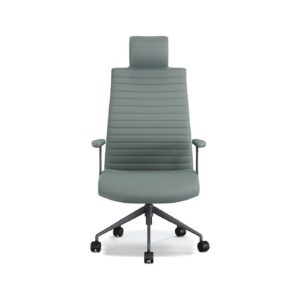
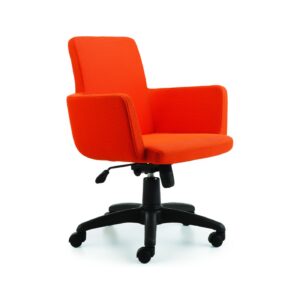
The administrative building of a factory is often the first place customers and suppliers see the company. No matter how strong the production is, a cluttered or worn-out management floor damages corporate perception. Therefore, it is correct to approach the administrative zone as you would setting up a classic office; comfort, order, and brand identity are priorities here.
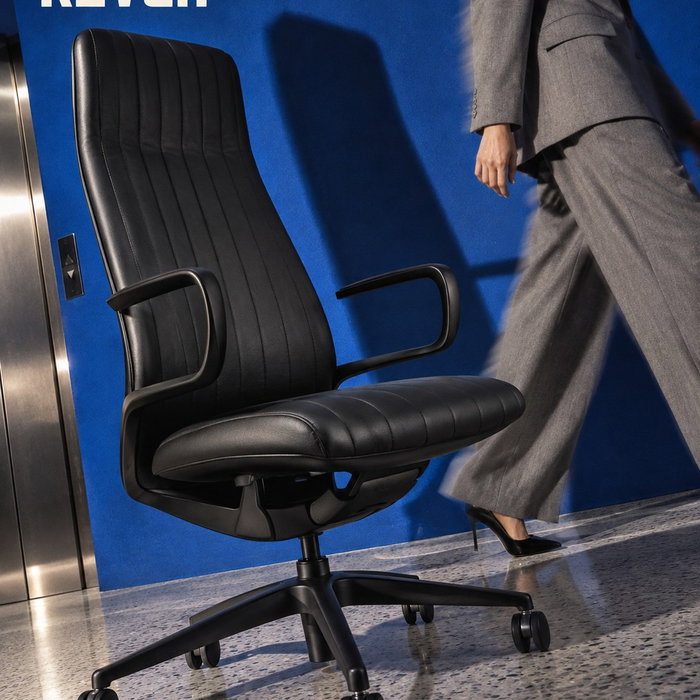
Executive and Personnel Work Desks
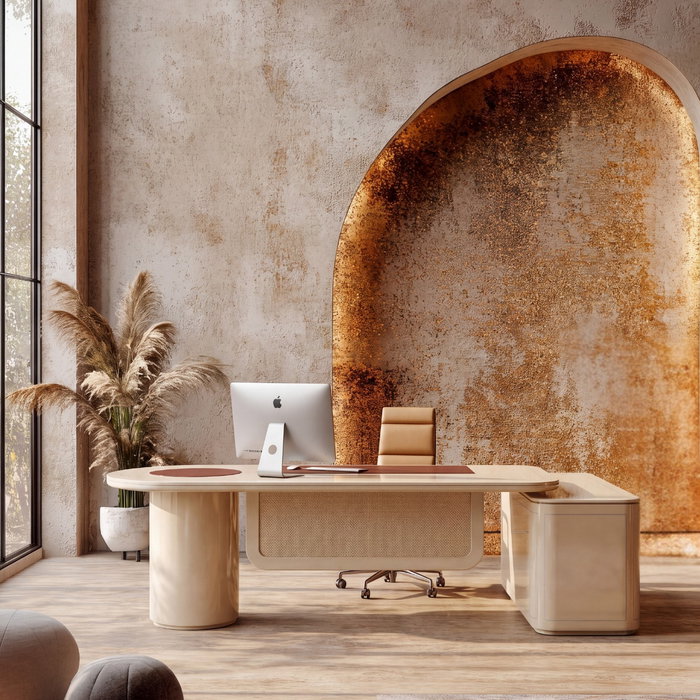
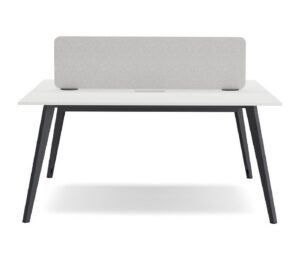
The administrative floor typically has two layers: executive desks and bench workstations for operational personnel. For executive desks, combinations of melamine-coated surfaces and metal legs are both durable and easy to maintain. For accounting or planning teams in an open-plan layout, bench systems with cable channels, drawers, and divider panels save space. Pedestals placed next to work desks individually solve document and personal item organization.
Meeting Rooms and Counter/Reception
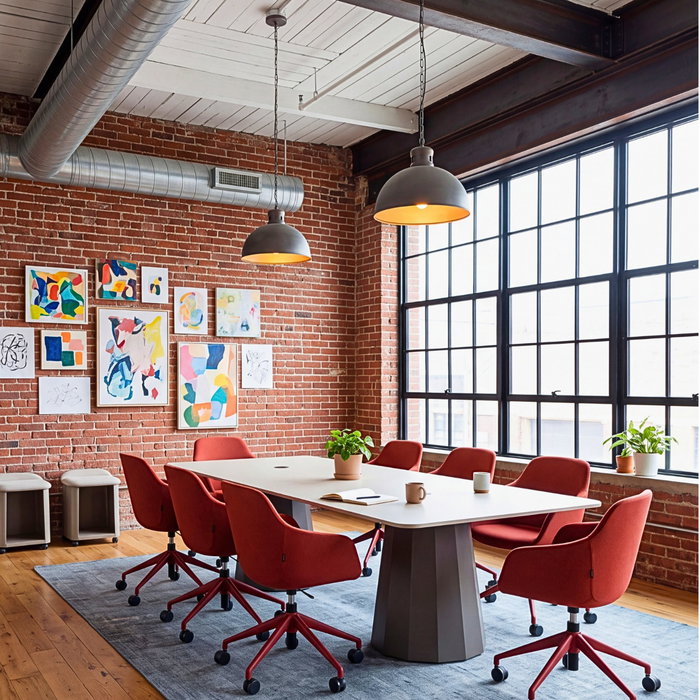
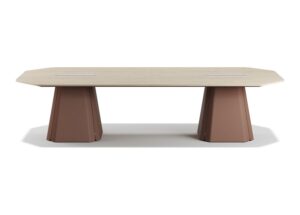
A sturdy meeting table is essential for production planning meetings, supplier discussions, and audit presentations. Depending on the scale of the facility, you can choose from 8, 12, or 16-person meeting tables; modular connecting types are preferred in large open-plan offices. At the entrance, a counter that welcomes visitors and combines security and information functions creates both a functional and corporate first impression. For a detailed Ankara office setup, the solutions on our Ankara office furniture page are also directly suitable for this layer.
Personnel and Worker Area Furniture
The most challenging and most worn-out part of industrial furniture is the personnel areas. Here, furniture is used by hundreds of people over two or three shifts, often hastily and roughly. If the wrong choice is made, these areas must be renewed within a year or two; if chosen correctly, they provide nearly a decade of trouble-free service.
Cafeteria Tables and Seating Groups
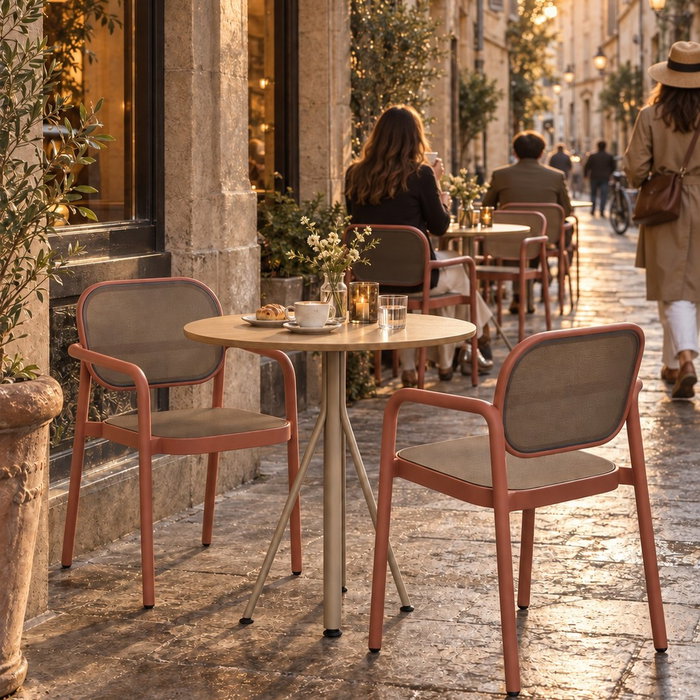
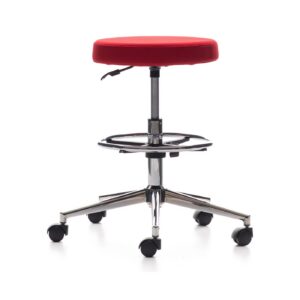
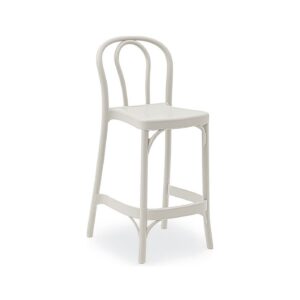
The cafeteria is where simultaneous intensity is highest. When the service window opens, dozens of people sit down at once. Therefore, cafeteria tables with laminate tops and metal legs, and easily wipeable, stackable chairs or benches are preferred. Foldable leg or lightweight models provide great convenience for cleaning teams to easily collect tables and wash the floor. For seating solutions, durable plastic-metal models from the chairs category can be combined with stools for high counters and self-service areas. For the industrial kitchen and service side of the cafeteria, our HoReCa product group comes directly into play.
Locker Cabinets and Wardrobes
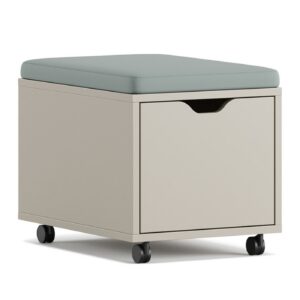
Worker changing rooms are also critical from an occupational safety perspective. The choice here is generally in two directions: electrostatic powder-coated metal locker cabinets for high humidity and wet environments (food, textile washing, chemicals); laminate-coated cabinets for drier environments and areas where aesthetics are a priority. Metal locker cabinets are designed with details such as ventilation holes, padlock hasps, nameplates, and integrated seating benches. Single, twin, or four-compartment configurations are planned according to the number of personnel. For all wardrobe and cabinet solutions, our cabinets category can be a starting point; custom-sized metal production requests are evaluated in the workshop.
Personnel Break Areas
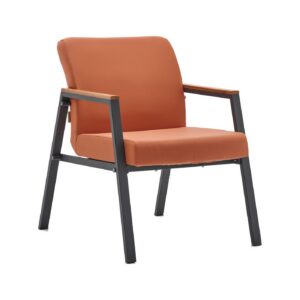
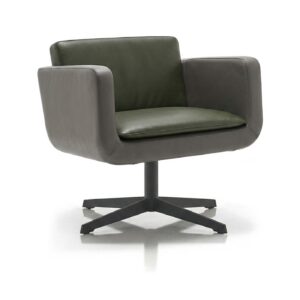
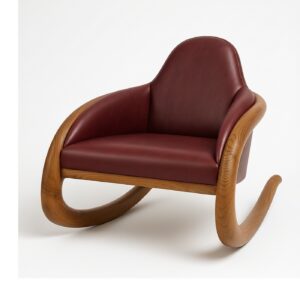
Break areas are a topic that directly impacts employee satisfaction and is increasingly important. Here, wipeable fabric or faux leather-covered lounge chairs, high bar tables for quick coffee breaks while standing, and tea-coffee units with cabinets are preferred. The aim is to create an easily cleanable area where one can quickly rest and recover during a short break.
Storage, Archive, and Production Support Furniture
The efficiency of the production area largely depends on the storage organization behind it. A disorganized raw material warehouse or an archive lost in a pile of documents means a loss of both time and money. In this zone, furniture selection is based on load capacity, modularity, and space utilization.
Rack Systems and Durable Cabinets
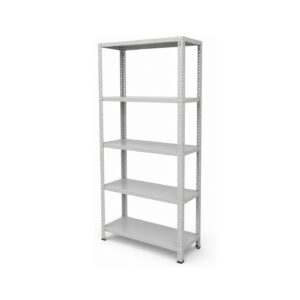
For raw material, spare parts, and finished product warehouses, heavy-duty metal rack systems, either bolted or interlocking, are standard. Rack shelf heights should be adjustable according to material size; aisle widths should be planned for pallet jack and forklift access. For storing tools, consumables, and molds within the workshop, lockable, drawer-equipped industrial cabinets are used. To see the entire storage family together, our storage category is a good starting point.
Document Archive and Office Storage
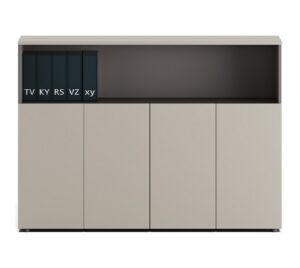
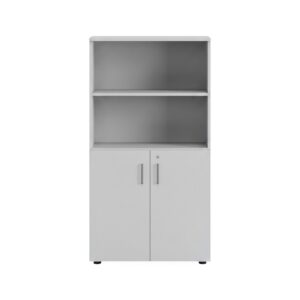
On the administrative side, fire and moisture-resistant, lockable archive cabinets are needed for shipping invoices, quality records, personnel files, and financial documents. For companies with extensive archives, mobile compact shelving systems fit the same document volume into a much smaller space. For daily office use, classic cabinets and under-desk pedestals complete the document organization.
Durability, Hygiene, and Safety Standards
The main difference that sets industrial furniture apart from office furniture is the severity of the conditions it is exposed to. Therefore, when making a choice, three technical aspects should be evaluated before aesthetics.
Durability for Intensive Use
Furniture in personnel areas encounters a usage frequency far exceeding that of office furniture. Therefore, metal thickness, weld quality, and powder coating resistance in metal components; impact and scratch resistance in laminate surfaces come to the fore. Legs and connection points should not loosen under years of opening/closing and load; the supporting frame of chairs and tables should be metal.
Hygiene and Cleanability
Especially in food, pharmaceutical, and cosmetic facilities, surfaces must be non-porous, stain-resistant, and resistant to chemical cleaning. Laminate and metal surfaces are much more suitable for frequent cleaning with disinfectants than wood. In cafeterias and changing rooms, designs with raised legs facilitate easy cleaning underneath, supporting hygiene.
Safety and Regulatory Compliance
From an occupational health and safety perspective, it is important that furniture has no sharp corners, is stable against tipping, and can be fixed to the wall when necessary. High rack systems are anchored to the floor or wall for tip-over safety; locker cabinets in sequential arrangements are connected to each other and the wall. These details are also sought during inspections and should be resolved from the project stage.
Planning for OIZ and Large-Scale Projects
When it comes to facilities in organized industrial zones or newly established factories, furniture is no longer a single product purchase; it is a project management issue. Hundreds of locker cabinets, dozens of cafeteria tables, and multiple administrative offices need to be installed simultaneously, meeting a specific delivery date.
Survey, Measurement, and Design
In large projects, the process begins with an on-site survey. A layout plan is created considering the number of personnel, shift schedule, area dimensions, and existing infrastructure. Our interior designer and project team design the needs of each zone separately; thus, space is used efficiently, and the budget is distributed correctly. At points requiring custom-sized production, we do not get stuck with standard products but move to custom manufacturing in our workshop. You can find the details of this approach on our custom furniture Ankara page.
Custom Manufacturing and Phased Delivery
Where the standard catalog falls short, custom-sized production for the facility comes into play; for example, a cabinet series that fits perfectly into a narrow changing room or a quality control counter in a custom size for the line side. Large projects are usually divided into phases: first, the sections where production will start, then the administrative floor and social areas are delivered. This way, the facility does not have to pause production while waiting for furniture installation. When planning the total furniture budget for a new facility, the real cost of setting up an office from scratch guide provides an item-by-item perspective.
Project Process with Kavela
At Kavela, factory and industrial facility furniture projects are managed with a single point of contact; you do not bear the coordination burden between different suppliers. The process proceeds simply and predictably:
- Needs Assessment: We clarify the scope by discussing your facility’s zones, number of personnel, and priorities.
- Survey and Quote: If necessary, we take on-site measurements and prepare a transparent, itemized quote area by area.
- Design: With interior design support, we finalize layout and material decisions together.
- Production and Fast Delivery: We quickly prepare standard products from stock and custom items from our workshop.
- Assembly: Our team performs the installation; we deliver safely, from rack anchoring to cabinet rows.
You can see the products in person at our Çankaya showroom and decide by touching material and color options. If you want to set up a durable, hygienic, and custom-fit furniture solution for your factory, OIZ facility, or workshop, contact us on WhatsApp and get a quote now; let’s map out your needs together.
Frequently Asked Questions
Should I choose metal or laminate for factory locker cabinets?
The decision largely depends on the environmental conditions. In humid, wet, or frequently cleaned areas (food, textile, chemicals), electrostatic powder-coated metal locker cabinets are more durable. In dry areas with high aesthetic priority, close to the administrative building, laminate-coated cabinets are suitable. Using both together in different zones is often the best solution for most projects.
How should I select cafeteria tables for intensive use?
Base your choice on the intensity of simultaneous use and the cleaning routine. Tables with laminate tops and metal legs are resistant to impact and frequent wiping. Foldable leg or lightweight, portable models are practical for cleaning teams to easily wash the floor. On the seating side, stackable chairs or benches offer space and cleaning advantages.
Can I get both administrative office and worker area furniture from a single supplier?
Yes. Kavela’s portfolio of 5 brands and over 340 products allows you to source everything from executive desks to metal locker cabinets, from meeting tables to storage racks from a single source. This reduces coordination burden and allows you to manage the delivery process on a single timeline.
How quickly can you install furniture for my new facility in an OIZ?
The timeline depends on the project’s scale and the proportion of custom manufacturing. Standard products are quickly sourced from stock; custom items are produced in our workshop. Large projects are usually planned in phases, delivering the sections where production will start first. We share the exact timeline in the quote after the survey and design phase.
Do you manufacture custom-sized storage rack systems?
Yes. When standard rack compartments do not meet the need, we can produce custom-sized racks and cabinets according to your material dimensions and aisle access. Details such as heavy load capacity, shelf height adjustment, and anchoring for tip-over safety are planned during the project phase.
Do you consider occupational safety and hygiene standards in furniture selection?
Yes. Design free of sharp corners, stability against tipping, securing high racks and cabinet rows to the wall/floor, and non-porous, easy-to-clean surfaces are part of our project decisions. These elements are resolved from the start for both regulatory compliance and longevity.
References
- Ministry of Labor and Social Security — Regulation on Health and Safety Measures to be Taken in Workplace Buildings and Annexes (requirements for changing rooms and rest areas)
- Turkish Standards Institution (TSE) — furniture durability and strength standards
- Occupational Health and Safety legislation — storage, rack tip-over safety, and ergonomics principles
- Organized Industrial Zones (OIZ) general application and facility planning framework
Latest posts
@kavelafurniture