
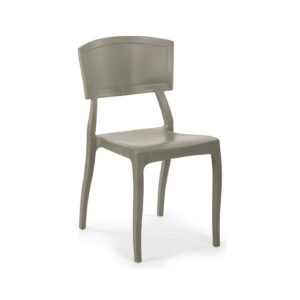






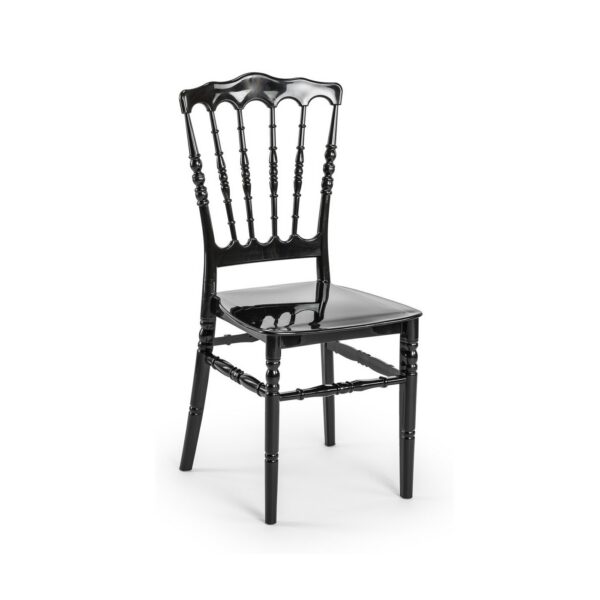
 Napoleon
Side Chairs
Napoleon
Side Chairs
Side Chairs
Napoleon
Side Chairs
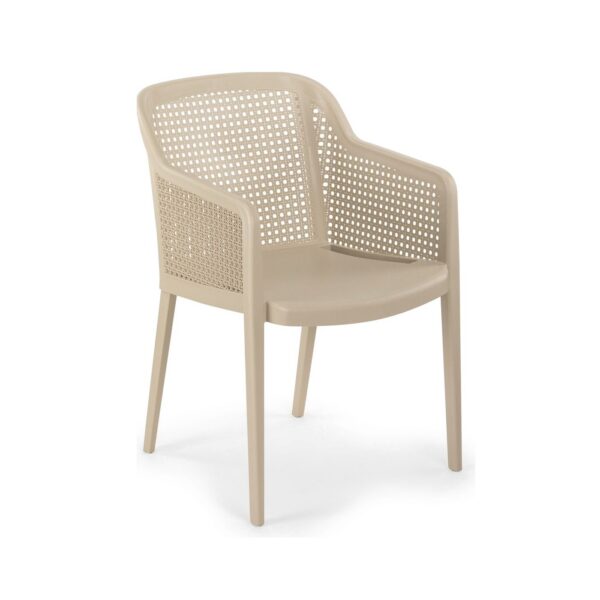 Octa
Side Chairs
Octa
Side Chairs
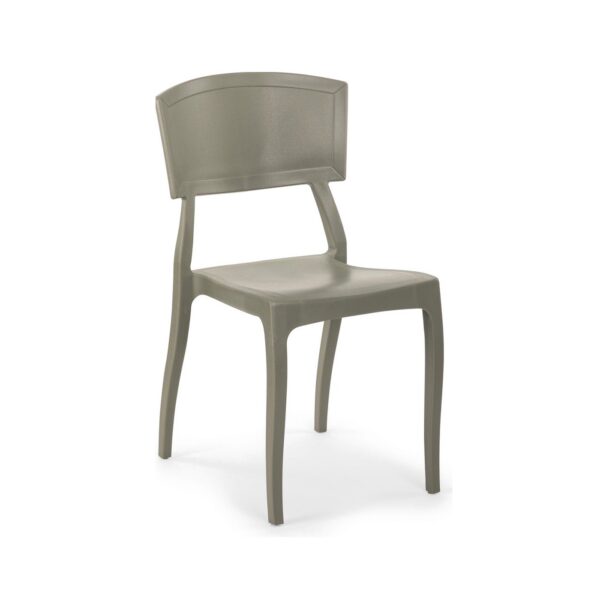 Orient
Side Chairs
Orient
Side Chairs
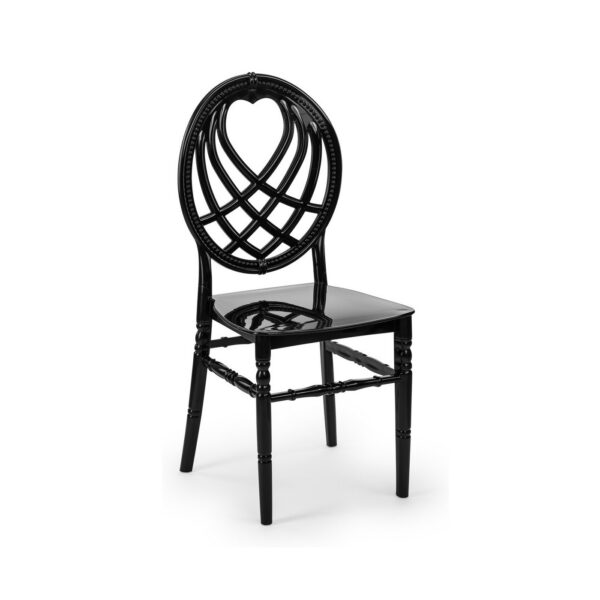 Oxo
Side Chairs
Oxo
Side Chairs
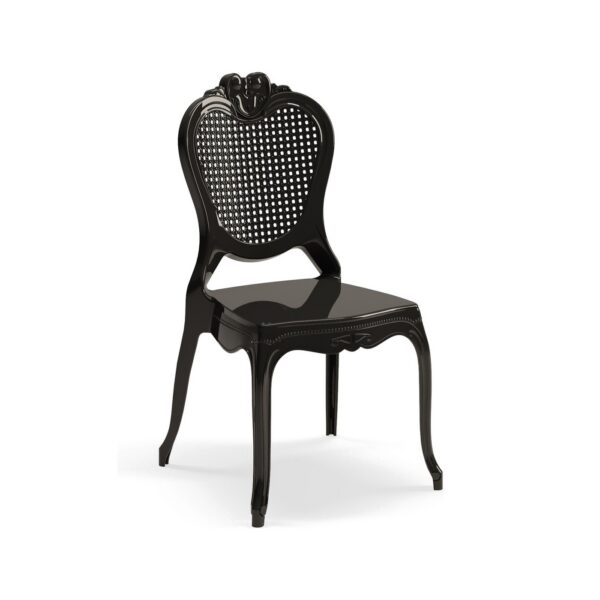 Pandora
Side Chairs
Pandora
Side Chairs
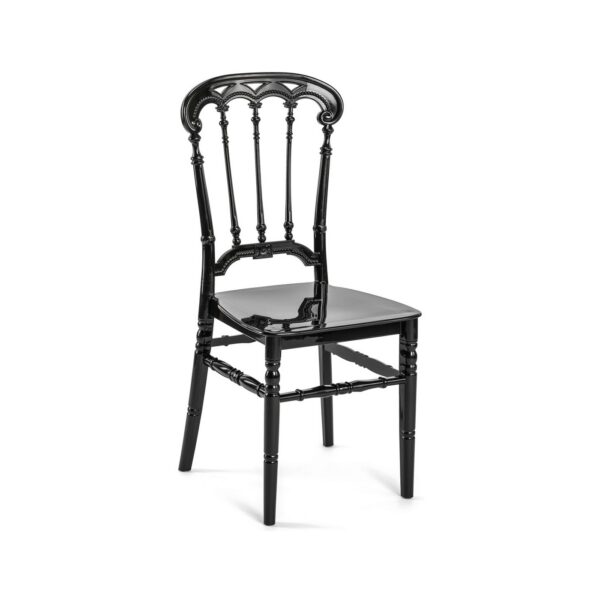 Roma
Side Chairs
Roma
Side Chairs
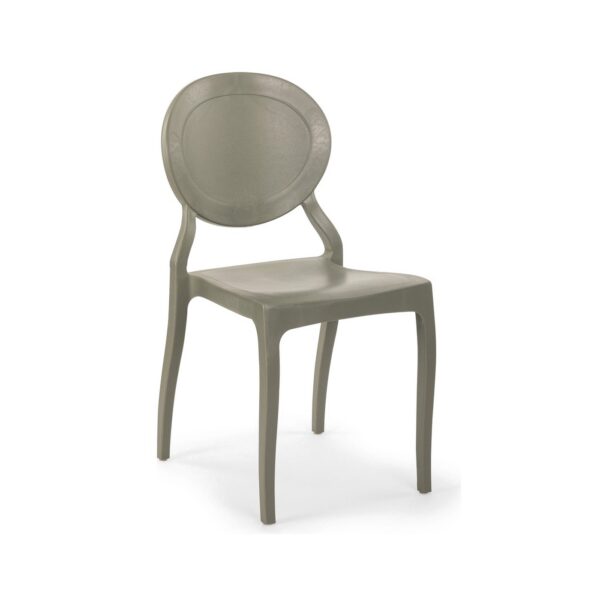 Rotus
Side Chairs
Rotus
Side Chairs
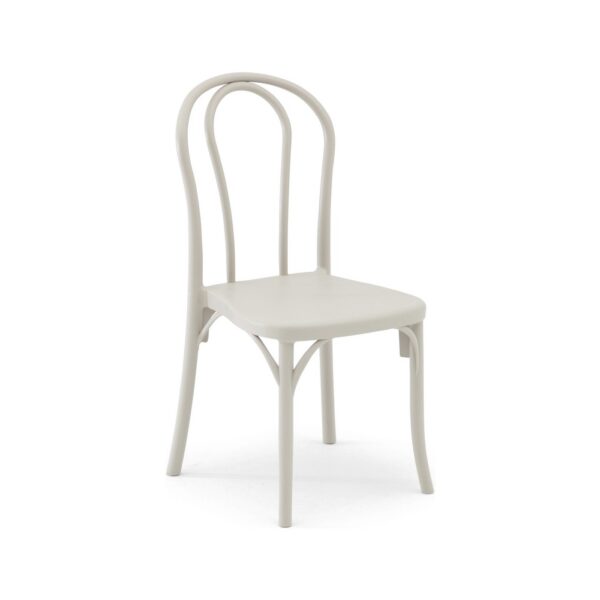 Sozo
Side Chairs
Sozo
Side Chairs
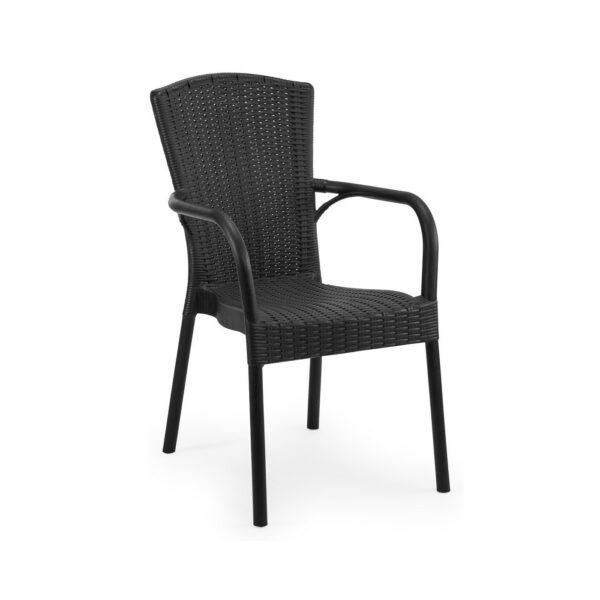 Royal
Side Chairs
Royal
Side Chairs
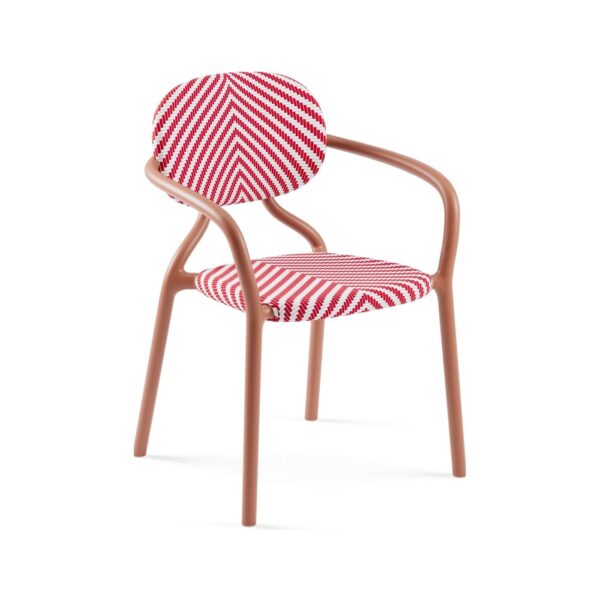 Haz
Side Chairs
Haz
Side Chairs
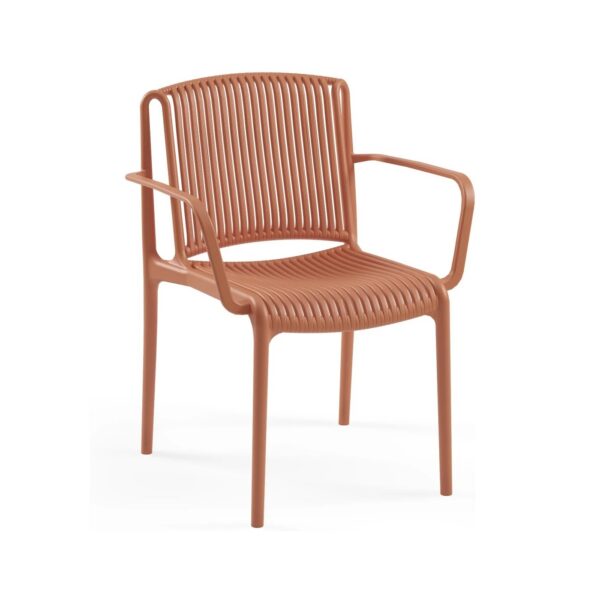 Nes
Side Chairs
Nes
Side Chairs
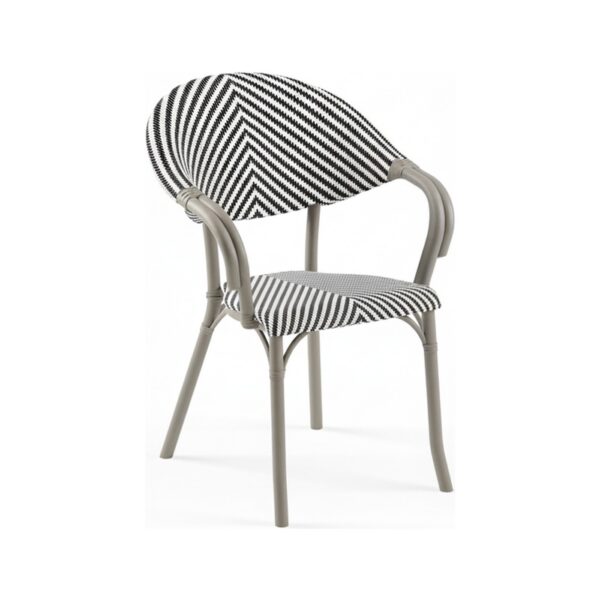 Flash
Side Chairs
Flash
Side Chairs
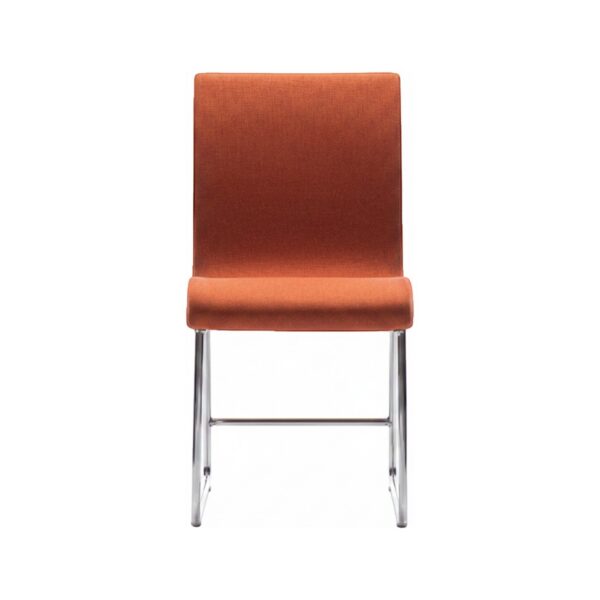 Fleme
Side Chairs
Fleme
Side Chairs
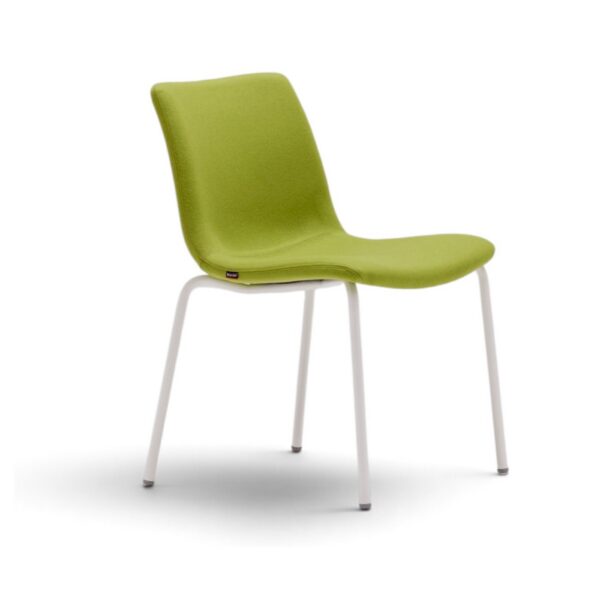 Dias
Side Chairs
Dias
Side Chairs
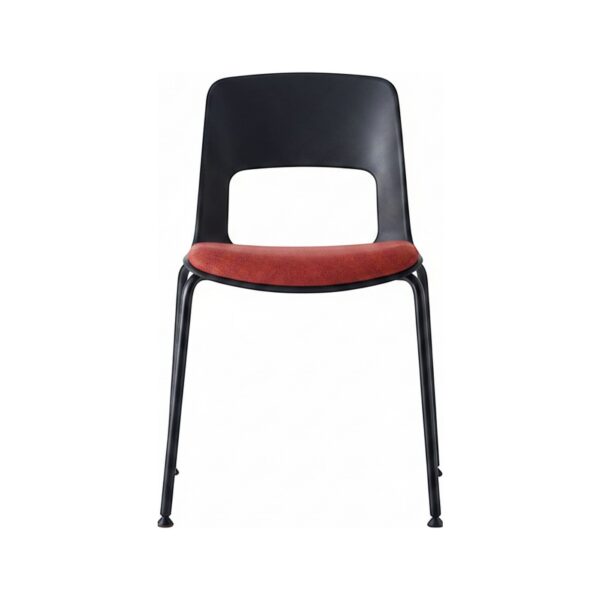 Owe
Side Chairs
Owe
Side Chairs
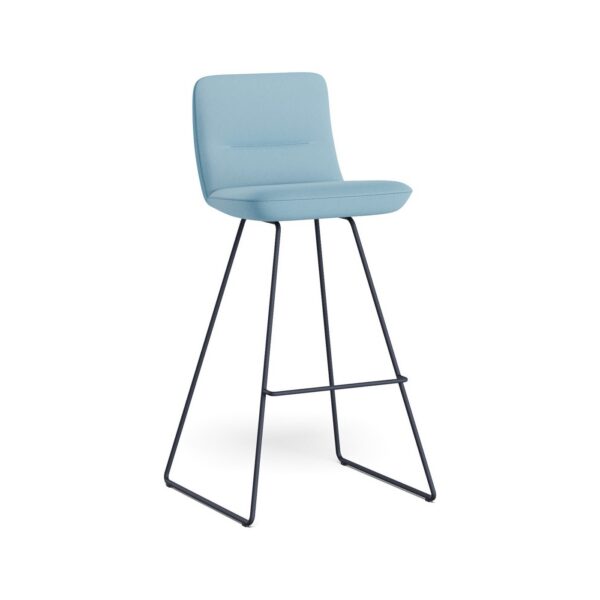 Boost
Bar Chairs
Boost
Bar Chairs
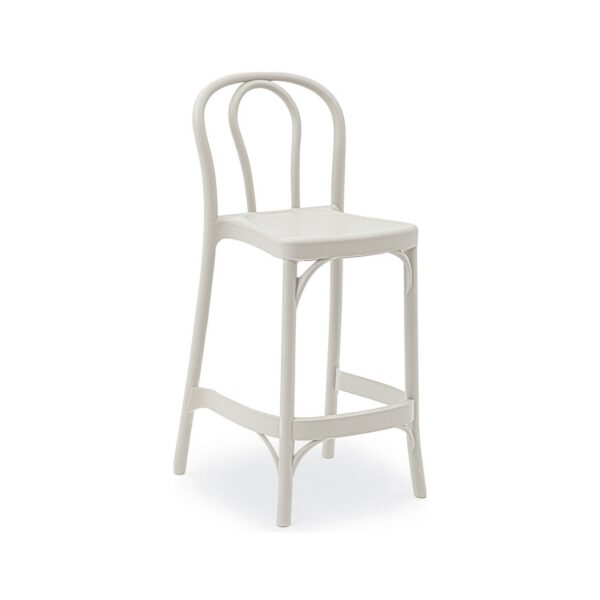 Barsozo
Bar Chairs
Barsozo
Bar Chairs
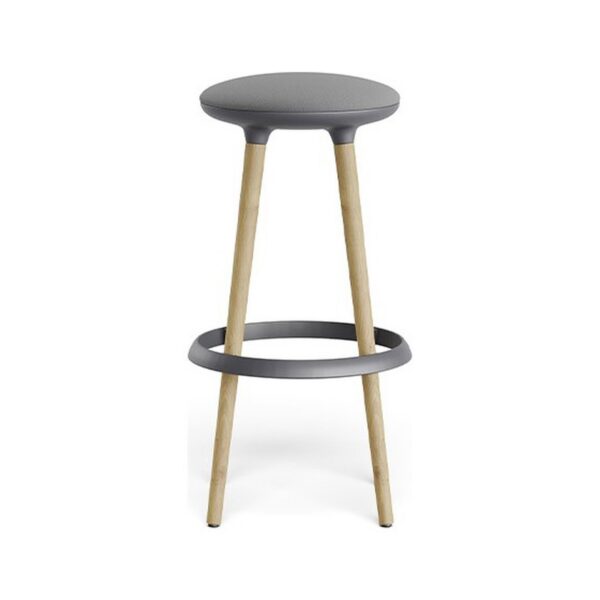 Cartello
Bar Chairs
Cartello
Bar Chairs
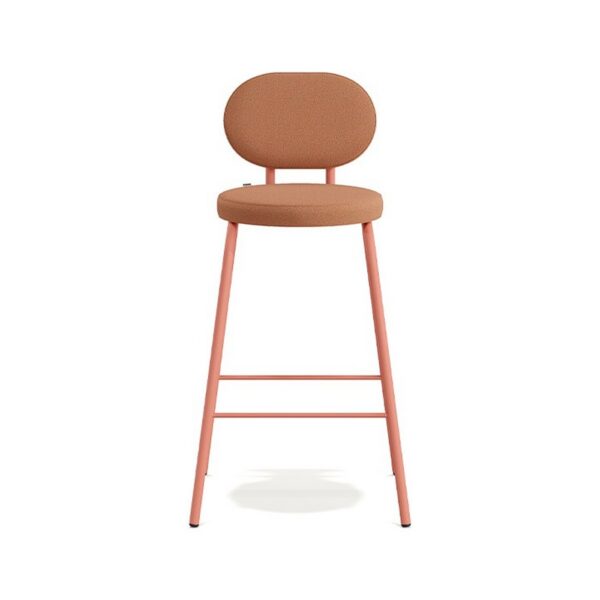 Lucky
Bar Chairs
Lucky
Bar Chairs
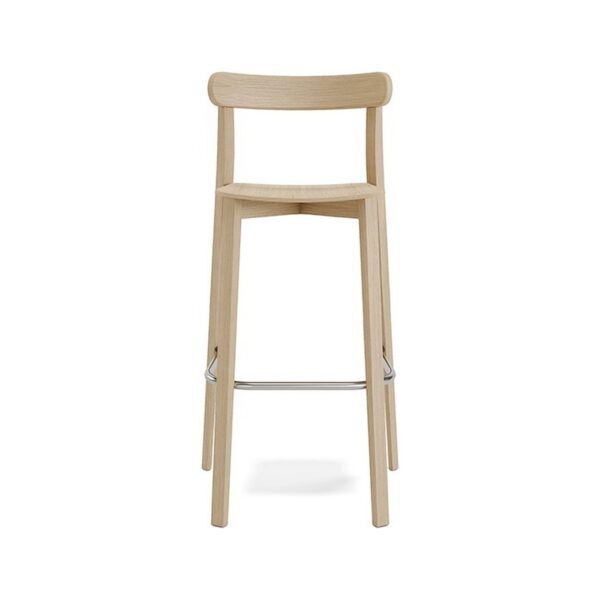 Icho
Bar Chairs
Icho
Bar Chairs
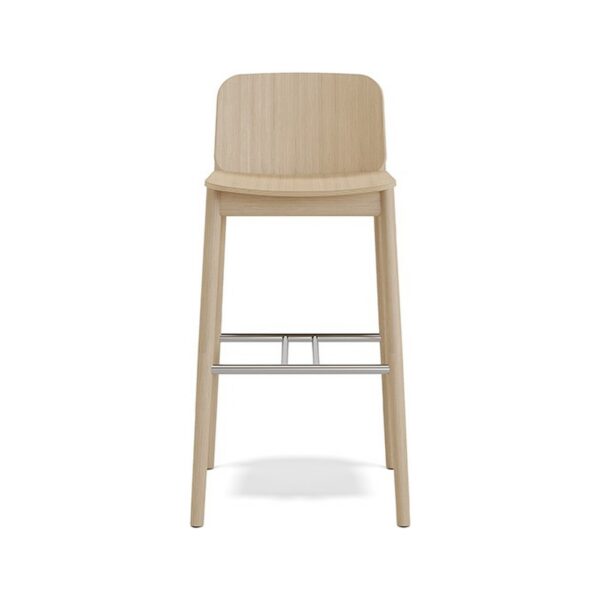 Prop
Bar Chairs
Prop
Bar Chairs
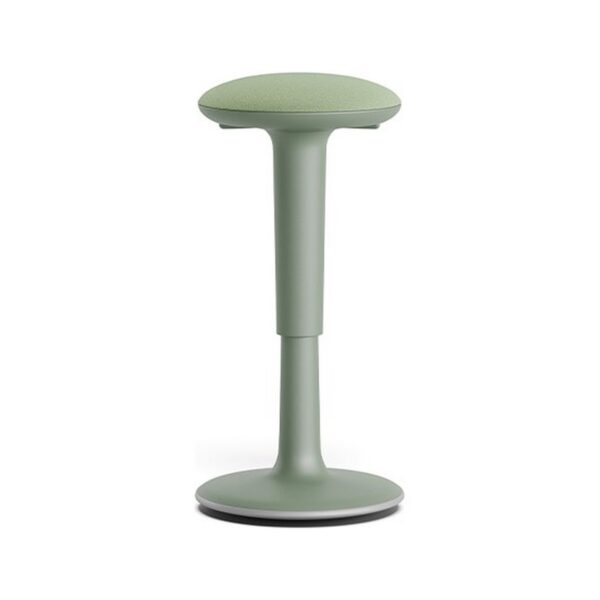 Champinon
Stools
Champinon
Stools
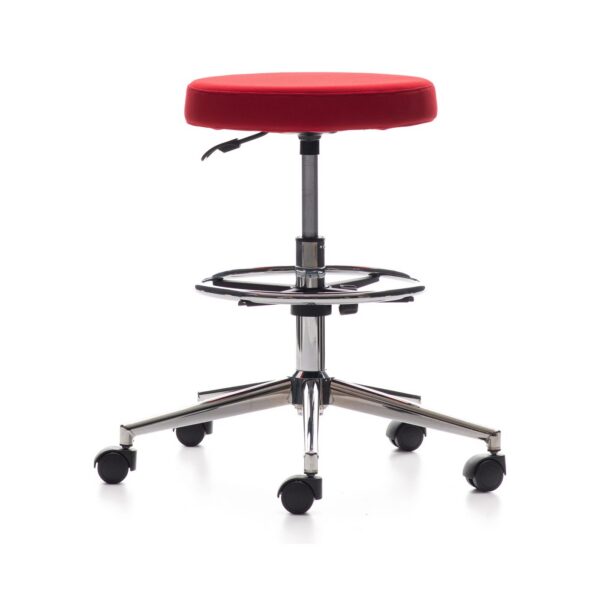 Tabura
Stools
Tabura
Stools
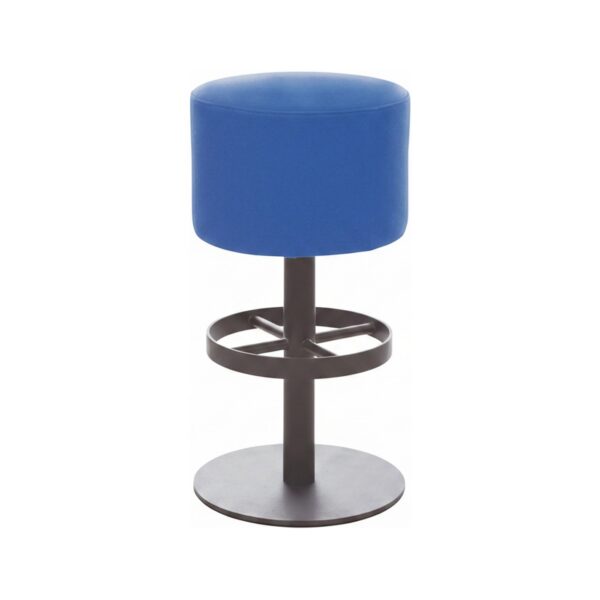 Laxy
Stools
Laxy
Stools
How the base changes the chair
The most useful way to read a side chair range is not by model count but by how many bases a single shell is offered on. Boost pairs one frameless, single-piece moulded foam body with a whole family of bases: a sled base at 45x52x84 cm, an X base at 48x55x84 cm, a swivel ellipse base at 67x67x84 cm, a bar-height sled base at 49x52x100 cm and a height-adjustable bar base at 44x45x100 cm. The same design language therefore travels from a workstation to a counter without a visual break. Because the body has no internal frame, pressure points and structural deformation are eliminated, which matters in spaces where the same chair is occupied all day.
Base choice is a usage decision. A sled base spreads load across two long runners and reduces the risk of scratching a hard floor, which is why it is common in training rooms with vinyl or laminate. A four-leg base takes the least floor area in dense table layouts. A castor base suits rooms that are reconfigured weekly. Dias uses aluminium square legs under an FR polyurethane over plastic body and is listed at 60x60x75, 60x60x80 and 60x60x90 cm; Pera combines a steel construction with FR polyurethane injection, FR 50 kg/m³ foam and an aluminium star base.
Read more Show less
Stackable seating and room turnover
In seminar halls, canteens and training rooms, the deciding question is whether the room can be emptied. A stackable chair converts floor area back into usable space at the end of a session; a fixed chair does not. Lightweight shells with no armrests stack most efficiently, and armless models also line up more tightly along a table edge. This is the practical reason the side chairs category is dominated by armless seating: it is designed to be repeated, stacked and stored, not to be personalised for one user.
Shell materials and where they belong
Three material lines run through this catalogue. The wooden line is represented by Compasso, crafted from ash wood as a single sculptural form, suited to restaurant and hotel interiors where a warm base tone is wanted. The plastic line covers outdoor and heavy-cleaning use: Ali and Nes are both specified as UV and weather-resistant plastic, with usage areas given as garden, balcony, terrace, cafe and restaurant, and described as lightweight, portable, ergonomic and easy to clean. The upholstered line covers longer occupancy: Deniz is built with plywood and foam in both the seat and the backrest, fixed plastic armrests, a tilting mechanism and a chrome conical star base, at 60x60x87 and 67x60x94 cm. Cell sits slightly apart, combining recycled materials with three-dimensionally processed components for restaurants, canteens and break areas. Cell and Compasso are both listed on the Premium line and are not shown as cards in this grid.
Armrests, castors and mechanisms
Some models in this category carry mechanisms usually associated with office seating, and that overlap is deliberate. Deniz offers a tilting mechanism with a fixed seat depth; Pera uses an aluminium star base; Tabura is a stool with an up-down mechanism and a wheeled aluminium corner base with a ring; D2 is listed in three variants — a 72x72x74 cm armchair, a 58x58x74 cm chair and a 58x58x42 cm pouf — with four colour options. If a chair will be occupied for a full working day, however, this is not the right category: a proper synchronised mechanism, adjustable arms and lumbar support belong to task chairs.
Seat height against a 75 cm tabletop
Seat heights measured across 16 models in this range run from 43 to 46 cm, which is the band that works under a standard 75 cm tabletop. Overall heights spread much wider, from 40 cm to 109 cm, and widths from 35 to 100 cm — the range covers low shell forms such as Shell at 35x35x40 cm as well as bar-height seating such as Lucky at 51x58x109 cm. As a working rule, aim for roughly 27 to 30 cm between seat top and tabletop; anything less and knee clearance disappears. Cove is listed at 50x55x86 cm with a 45 cm seat, Flash at 46x54x82 cm with a 44 cm seat, Clue and Code at 48x52x84 cm with 46 cm seats. Of those, Clue, Code and Cove are Premium-line models and do not appear as cards here; this grid holds eighteen chairs.
When a different category fits better
Honest routing saves a return. For counter and bar height, go to stools and bar chairs. For seating placed opposite a desk for a visitor, see guest chairs; for rooms that change layout constantly, multipurpose chairs. Around a boardroom table, meeting chairs is the right group, and for reception and lobby rows see waiting chairs. If the chair is for a cafe, restaurant or hotel project, Horeca collects the full set, and tables is where to start for matching tabletops.
Frequently Asked Questions
What's the main difference between a side chair and other dining chairs?
Side chairs are essentially dining chairs without arms, offering a more compact and versatile seating option. They're perfect for maximizing space around a dining table or as accent seating in other rooms. At Kavela Furniture, our collection includes various styles, from minimalist to ornate, ensuring you find the perfect fit. Visit our showroom in Çankaya, Ankara, at Üsküp Caddesi No:41/A, Mon-Sat 10:00-19:00, to explore the range and discuss made-to-measure options for your unique needs.
How do I choose the right side chair to complement my existing dining table or decor?
Consider your room's aesthetic, table height, and desired comfort level. Measure your space to ensure proper clearance. Kavela Furniture offers a diverse selection, from the sleek Flash Chair to the iconic Shell Chair, allowing you to match or contrast your current decor seamlessly. Our experts at the Üsküp Caddesi No:41/A showroom in Çankaya, Ankara, are available Mon-Sat 10:00-19:00 to guide you through options and discuss project-based delivery for your specific requirements.
Are side chairs comfortable enough for extended use, such as long dinners or working from home?
Absolutely! While compact, many side chairs are designed with ergonomics in mind, featuring supportive backs and cushioned seats for comfort during extended periods. Kavela Furniture prioritizes both style and comfort in our designs, like the Nes Dining Chair. We also offer made-to-measure production to tailor comfort to your exact specifications. Every Kavela chair comes with a 2-year warranty, ensuring lasting satisfaction and peace of mind for your investment.
Can side chairs be used outdoors, or are they strictly for indoor environments?
It depends entirely on the materials! Many side chairs are designed for indoor use, but specific models, like the Ali Outdoor Chair from Kavela Furniture, are crafted with weather-resistant materials suitable for patios, balconies, or garden dining. Always check the product specifications. Our team at the Çankaya, Ankara showroom (Üsküp Caddesi No:41/A) can help you identify durable outdoor options and discuss project-based delivery for your outdoor living spaces.
What materials are commonly used for side chairs, and how do they affect durability and style?
Side chairs come in various materials, including wood (classic, durable), metal (modern, sleek), plastic (versatile, easy to clean), and upholstered fabrics (comfort, luxury). Each material offers distinct aesthetics and maintenance requirements. Kavela Furniture crafts chairs from high-quality materials, ensuring both durability and timeless style across our collection. Explore our range at Üsküp Caddesi No:41/A in Çankaya, Ankara, where our experts can advise on material choices and made-to-measure options to fit your lifestyle.
Latest posts
@kavelafurniture