








22 September 2026
Turkish Furniture Manufacturing Clusters: A Sourcing Guide for Global Buyers
A city-by-city guide to Turkey's furniture manufacturing clusters, Bursa-Inegol, Ankara, Kayseri, Istanbul, Izmir, for international procurement teams.
Published by Kavela as an independent sectoral report, this guide maps Turkey’s furniture industry by manufacturing geography rather than by style. Kavela operates as a procurement and project-design authority for corporate environments, not as a manufacturer, and issues this research to help international buyers, architects, and procurement officers understand where different categories of Turkish furniture are actually made, and what that origin implies for materials, compliance, and price. For the aesthetic movements shaping Turkish interiors in 2026, Japandi, Quiet Luxury, and the “Anadolu Modern” vernacular, see Kavela’s 2026 furniture trends report; this report focuses on where and how the furniture behind those styles is actually built. All figures reflect the sectoral landscape as of the data cutoff in September 2026.
Why Geography Matters in Turkish Furniture Sourcing
Turkey’s furniture industry is not a single national supply base. It is a set of distinct regional clusters, each shaped by its own history, labour pool, and specialization, and each producing a different price-to-craft profile. A buyer asking a supplier “where is this made” is asking a more useful question than “what style is this,” because manufacturing location correlates closely with production scale, typical materials, and realistic lead times.
Bursa-Inegol: Volume, Upholstery and the Export Engine
Inegol, a district of Bursa in northwestern Turkey, is the country’s largest furniture manufacturing concentration by company count. Industry reporting puts the cluster at roughly 3,000 registered furniture companies as of 2023, with more than 4,000 workshops and factories together employing close to 120,000 people. In export value, Inegol ranks third among Turkish furniture clusters, behind Kayseri and Istanbul, and second in direct employment, behind Ankara; furniture accounted for an estimated 42% of the district’s exports and roughly 17% of Turkey’s total furniture exports in the most recent published breakdown.
The cluster is built around design-led upholstered furniture, sofas, and bedroom sets, produced at a scale that supports flat-pack and container-optimised export programmes. FSC-certified particleboard and MDF are standard substrates here; buyers sourcing engineered-wood casegoods at volume should ask specifically about panel certification and edge-banding specification. For a fuller look at the timber and panel choices behind Turkish casegoods, see Kavela’s wood species and industrial timber guide.
Ankara (Siteler): Contract and Institutional Manufacturing
Siteler, in Ankara, is one of Turkey’s oldest concentrated furniture districts, historically rooted in independent carpentry workshops. Over the past two decades a meaningful share of that base has shifted toward contract and institutional manufacturing, serving government tenders and corporate real estate projects, alongside the district’s continuing residential trade. Among Turkey’s furniture clusters, Ankara holds the largest share of direct employment in the sector.
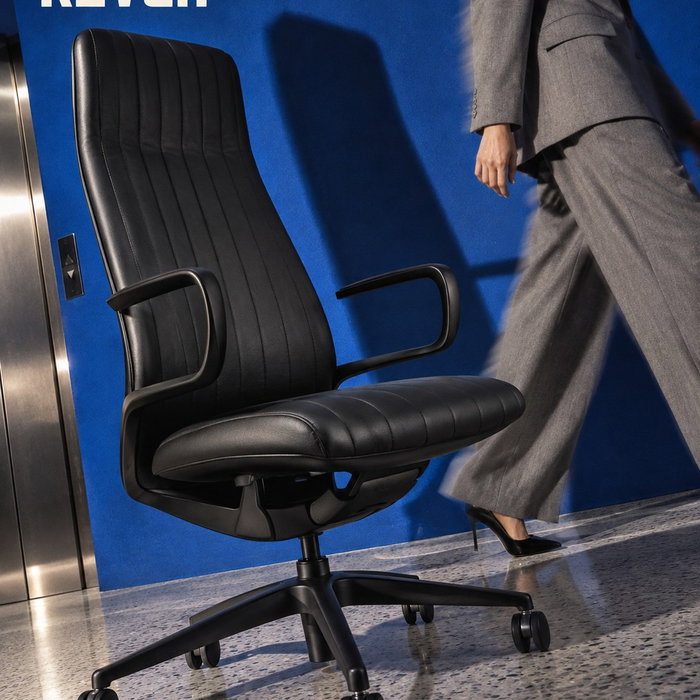
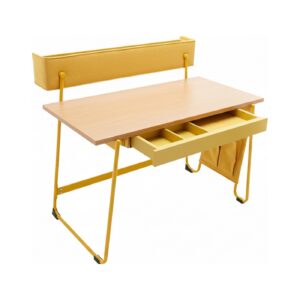
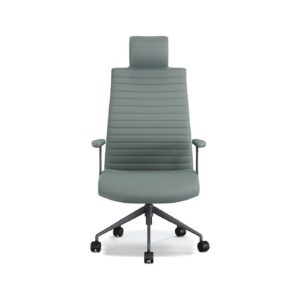
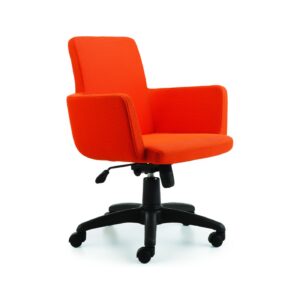
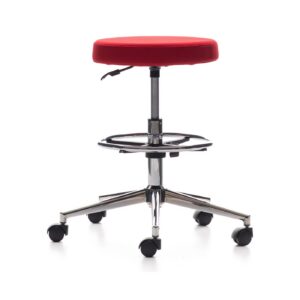
Ankara-based contract manufacturers typically work to office-furniture-specific requirements: moisture-resistant engineered panels, ergonomic seating mechanisms tested to standards such as EN 1335, and fire-retardant upholstery for institutional tenders. This is the cluster most relevant to buyers sourcing task seating, workstations, and operational desking; see Kavela’s own task seating and work desk categories for examples.
Kayseri: Vertically Integrated Scale
Kayseri, in Central Anatolia, is one of Turkey’s two leading furniture-exporting cities by value, alongside Istanbul, and is known in the industry for deep vertical integration, foam cutting, frame production, and upholstery under one roof, at a scale that supports large hospitality and residential contracts. Much of the country’s contract-grade bedroom furniture and hospitality seating is produced here, often on hybridised frames that combine solid softwood with engineered panels for consistent, high-volume output.
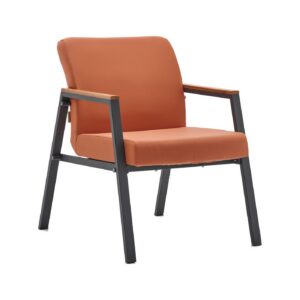
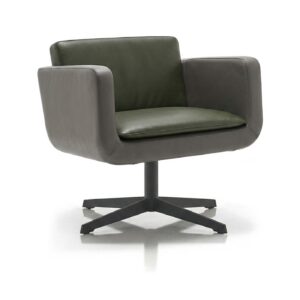
For buyers furnishing hotel rooms, student housing, or large residential developments, Kayseri’s production scale generally translates into strong value engineering, at the cost of some of the material distinctiveness found in smaller ateliers. Kavela’s guest and lounge seating category draws on comparable hospitality-grade production. For the residential side of the same material logic, mobilyadekorasyonmerkezi.net’s guide to using wood in the bedroom is a useful companion read.
Istanbul: Architectural and Luxury Ateliers
Istanbul is, together with Kayseri, one of Turkey’s two highest-value furniture-export centres, but its output skews toward a different segment: architecturally driven, high-specification pieces for luxury residential towers, five-star hospitality, and flagship boardrooms. Workshops here work with high-gloss lacquers, veneers, and metal-finishing techniques such as PVD (physical vapour deposition) coating, which are more economical to run at boutique scale than at Kayseri- or Inegol-style volume.
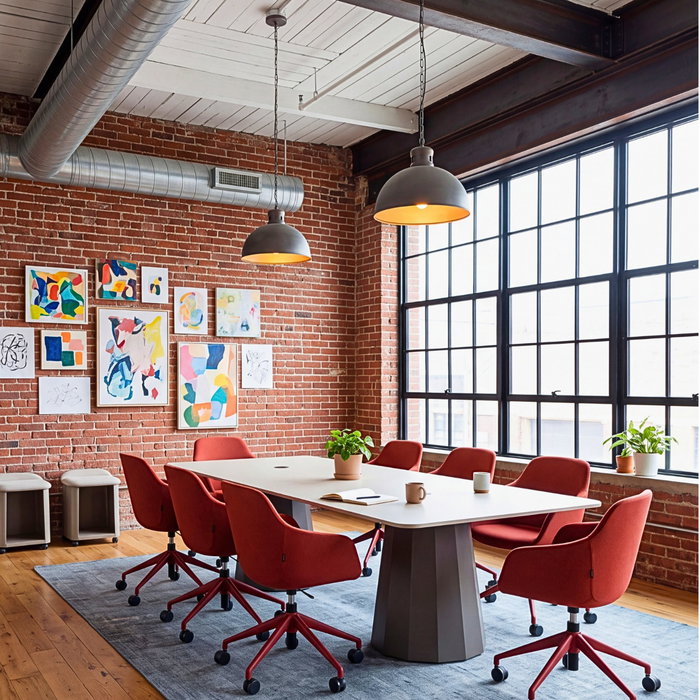
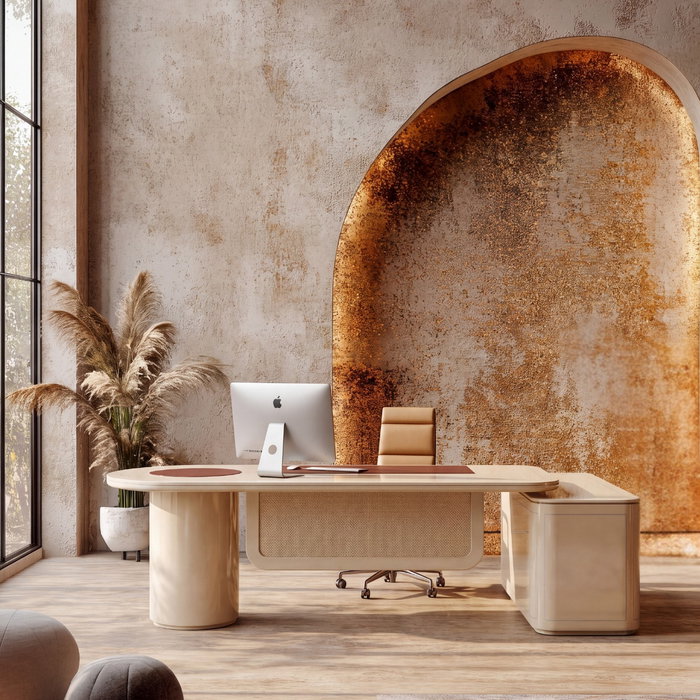
Because this segment is specified rather than catalogued, lead times and minimum order quantities vary far more than in the volume clusters. It is the natural source for boardroom tables and executive furniture; see Kavela’s meeting table and executive desk categories for the office-furniture end of this segment.
Izmir and the Aegean Coast: Resort and Outdoor Workshops
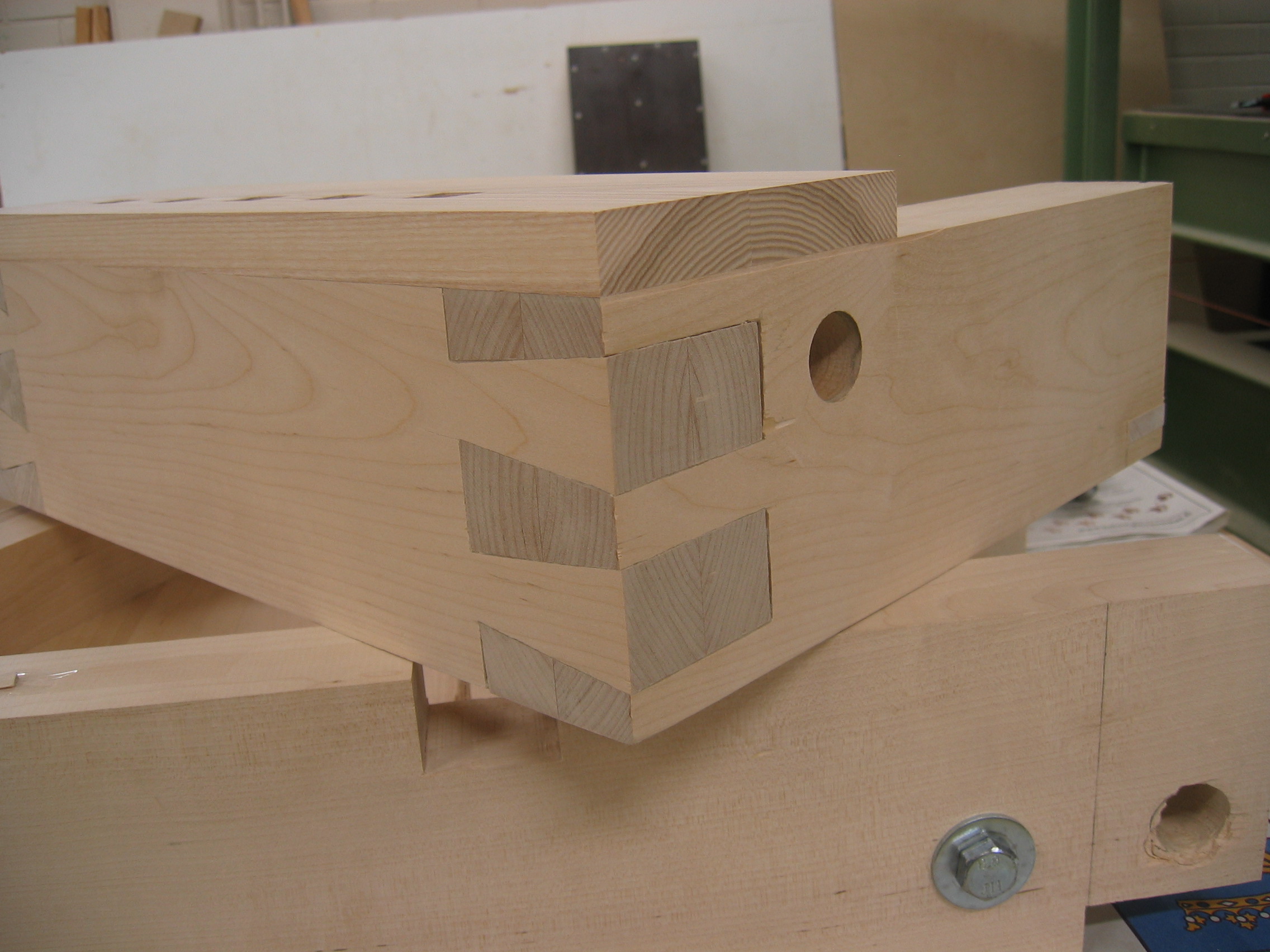
Unlike the four clusters above, Izmir and the wider Aegean coastal belt do not appear in national export-ranking data as a distinct top-tier manufacturing centre; the region’s furniture output is smaller in scale and more workshop-based. What it does offer is a concentration of boutique producers oriented toward hospitality and outdoor furniture built for coastal conditions: kiln-dried beech and imported hardwoods with mortise-and-tenon joinery, marine-tolerant powder-coated metal frames, and UV-stable outdoor textiles.
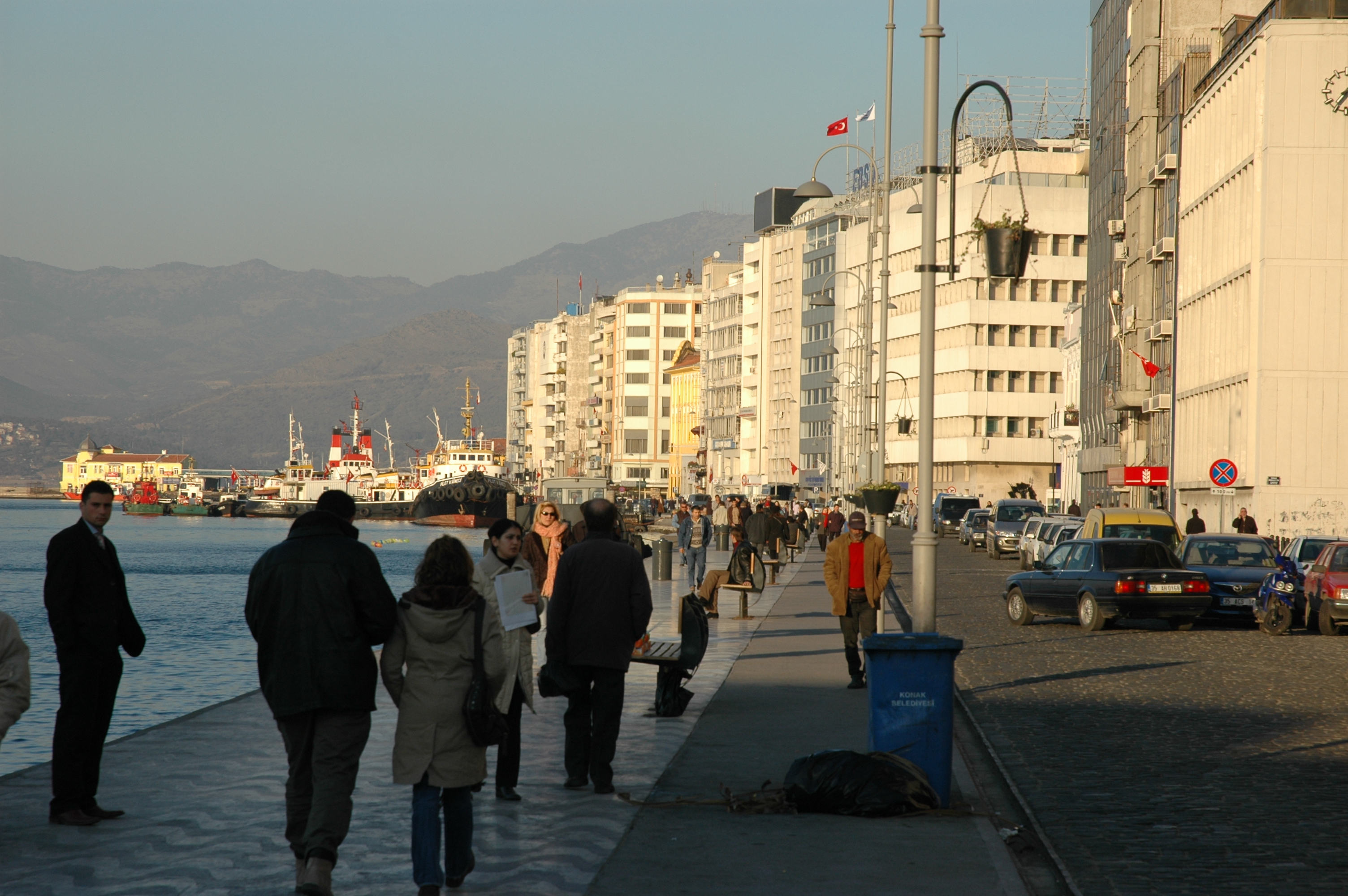
Buyers furnishing boutique resorts or premium outdoor spaces are typically dealing with smaller production runs and more negotiation on specification than in the four industrial clusters, which is a trade-off, not a shortcoming.
Certifications and Compliance Worth Verifying
None of the five clusters guarantees a given certification by location alone; specification varies by factory. Buyers evaluating any Turkish supplier should ask for documentation rather than assume it based on region.
- FSC chain-of-custody for solid timber and veneer sourcing, increasingly requested by EU and UK buyers.
- E1 or E0 formaldehyde emission class for particleboard and MDF, relevant to indoor air quality compliance.
- BIFMA X5.1 and EN 1335 test reports for office seating durability and ergonomics.
- BS 5852 (Crib 5) or CAL 117 fire-retardancy certification for contract upholstery.
- Martindale abrasion rating, with 30,000+ rubs typically cited as the floor for heavy commercial use.
Export and Market Context
Turkey’s furniture industry sits inside a growing global market. Global furniture production was recorded at $768.36 billion in 2024, with 2025 estimates projecting 7.1% growth to $822.53 billion. Turkish furniture production is valued at $17.8 billion, supporting a domestic market of $23.8 billion; exports account for 14.7% of national production.
Turkey ranked 11th in world furniture exports in 2022, holding 1.7% of global export volume; the broader furniture, paper, and forest products sector generated $8.44 billion in exports that year, 3.3% of Turkey’s total exports. MOSDER, the Turkish Furniture Manufacturers Association, reported $2.183 billion in sector exports for the first half of 2024 alone, and has stated an ambition to grow annual exports toward $20 billion.
Frequently Asked Questions
Which Turkish city produces the most furniture by export value?
Kayseri and Istanbul are Turkey’s two leading furniture-export centres by value, according to industry reporting. Kayseri is built around large-scale, vertically integrated production; Istanbul specialises in higher-specification architectural and luxury pieces.
Which region employs the most people in Turkey’s furniture sector?
Ankara holds the largest share of direct employment in Turkish furniture manufacturing, ahead of the Bursa-Inegol cluster, which ranks second.
What is Inegol known for?
Inegol, in Bursa province, is Turkey’s largest furniture cluster by company count, with roughly 3,000 registered companies and close to 120,000 workers. It specialises in design-led upholstered furniture, sofas, and bedroom sets built for export-scale production.
What certifications should international buyers request from a Turkish furniture factory?
Depending on the product category, relevant documentation includes FSC chain-of-custody for timber, E1/E0 formaldehyde compliance for engineered panels, BIFMA X5.1 and EN 1335 for office seating, and BS 5852 (Crib 5) or CAL 117 fire-retardancy testing for contract upholstery. Certification should be verified per factory, not assumed by cluster.
How does this report relate to Kavela’s 2026 design movements report?
Kavela’s 2026 furniture trends report covers the aesthetic movements shaping Turkish interiors, including Japandi and the “Anadolu Modern” vernacular. This report is complementary: it maps where and how the furniture behind those aesthetics is manufactured, rather than defining the aesthetics themselves.
Is Turkey’s furniture export sector growing?
Yes. MOSDER reported $2.183 billion in sector exports for the first half of 2024, and the industry association has publicly stated a goal of reaching $20 billion in annual exports. Global furniture production is also projected to grow 7.1% in 2025.
What does “contract manufacturing” mean in Ankara’s Siteler district?
It refers to furniture built to the specifications of institutional buyers, government tenders, corporate offices, and large real-estate developments, rather than furniture sold through a retail catalogue. It typically involves engineered panels, tested seating mechanisms, and fire-retardant textiles suited to compliance-driven procurement.
Sources
- T.C. Ticaret Bakanligi, Kolay Ihracat Platformu (kolayihracat.gov.tr), furniture sector data, 2024-2025.
- Damlayici, O. & Arslan, I. K. (2024). “Dunya ve Turkiye ekonomisinde mobilya sektoru.” MECMUA Uluslararasi Sosyal Bilimler Dergisi, 9(17), 81-91.
- MOSDER (Turkiye Mobilya Sanayicileri Dernegi), mosder.org.tr, first-half 2024 export data.
- Monocle, “Inegol Furniture Manufacturing: Turkey’s Design Powerhouse,” monocle.com.
- Image credits: Wikimedia Commons contributors, licensed CC BY-SA; full attribution under each figure.