












27 March 2026
5 Details That Boost Employee Productivity in Office Design
5 critical details that boost employee productivity in office design: ergonomics, acoustics, lighting, social areas, and biophilic design.
The work environment is one of the most significant factors directly affecting employee productivity. Research shows that a well-designed office can increase productivity by up to 20%. So, what are the details in office design that truly boost productivity?
1. Ergonomic Furniture Selection for Ergonomic Office Design
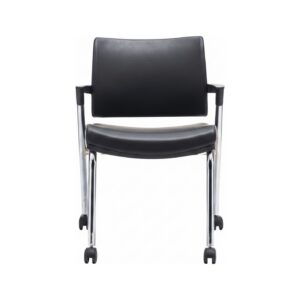
The foundation of productivity begins with physical comfort. For an employee who sits 8-10 hours a day, an ergonomic chair and a desk at the correct height are not just about comfort but also health. Studies reveal that employees using ergonomic furniture have a sick leave rate reduced by up to 40%.
Height-adjustable desks, especially the popular sit-stand desks in recent years, offer the flexibility to change positions throughout the day, supporting both physical and mental vitality. Details such as the monitor height being at eye level and the keyboard and mouse positioned at elbow level may seem small, but they make a big difference in the long run, contributing to effective ergonomic office design.
2. Acoustic Arrangement
While open-plan offices facilitate communication, noise is one of the biggest enemies of productivity. It takes an average of 23 minutes for an employee to regain focus after a distraction. When this is repeated throughout the day, it leads to hours of lost productivity.
Acoustic panels, carpet or carpeted flooring, ceiling acoustic plates, and sound insulation solutions in partitioned areas largely solve this problem. Additionally, quiet work rooms or phone booths are indispensable for tasks requiring intense concentration.
3. Natural Light and Lighting Design
It is scientifically proven that employees who receive natural light have higher sleep quality and feel more energetic during the day. Positioning desks near windows in office layouts is the simplest yet most effective productivity-enhancing strategy.
For artificial lighting, color temperature is critical. Neutral white light between 4000-5000K supports concentration in work areas, while warm light between 2700-3000K creates a sense of relaxation in break areas. Indirect lighting combined with a desk lamp is ideal to prevent eye strain.
4. In-Office Social and Rest Areas
The productivity paradox is this: working more does not mean being more productive. Employees who take regular breaks are 13% more productive compared to those who work without interruption. Therefore, creating quality rest areas within the office is an investment in productivity.
Especially the office kitchen and cafeteria area are among the most important indicators of employee satisfaction. A quality coffee machine, regular refreshments, and comfortable seating areas directly affect employees’ energy levels throughout the day. The impact of in-office food and beverage culture on employee happiness is increasingly a subject of research; sectoral resources like beverageindex.com offer interesting data on the relationship between workplace beverage trends and employee satisfaction.
5. Green Spaces and Biophilic Design
Biophilic design, the practice of bringing natural elements into indoor spaces, is becoming increasingly common in offices. Indoor plants do more than just clean the air; they create a psychologically calming effect. Research shows that stress is reduced by up to 37% in offices with green spaces.
Choosing easy-to-maintain plants is important for sustainability. Low-maintenance species like Pothos, Zamia, and Peace Lily are suitable for office environments. Additionally, furniture using natural materials, wood textures, and earthy tones are also part of biophilic design and meet employees’ need to connect with nature.
Conclusion: Small Details, Big Differences
These five details that boost productivity in office design do not necessarily require large budgets. The right furniture selection, acoustic arrangement, light optimization, social areas, and green touches… Each is a small investment on its own, but when applied together, they dramatically increase employee productivity and satisfaction. Remember: A happy employee is a productive employee.