








6 April 2026
Creating Warmth in Minimalist Offices: Secrets of Textures and Lighting
Minimalism is a powerful design philosophy advocating simplicity, functionality, and freedom from the unnecessary. However, a minimalist office, with the wrong approach, can become cold, sterile, or impersonal. Yet, the spirit of minimalist design is to create a warm, inviting, and inspiring environment even with few items. The key is to skillfully use the right textures, natural materials, and layered lighting. This article reveals the secrets to creating warmth and character in minimalist offices. Meka
Quick Answer: To create warmth in minimalist offices, it’s important to use organic textures like natural wood and wool, implement soft and layered lighting solutions, bring nature indoors with plants, and add personal touches.
While minimalism has been one of the most popular design trends in recent years, it can sometimes be misinterpreted, leading to cold, sterile, and impersonal spaces. Especially in an office environment, excessive simplicity can reduce motivation and stifle creativity. However, a minimalist office can be made extremely warm, inviting, and inspiring with the right approach. The key is to skillfully use textures, natural materials, and layered lighting that nourish the spirit of the space. In this article, we will delve into the secrets of creating warmth in minimalist offices, the power of textures, and the magical effects of lighting, offering insights for those seeking ‘turkey office furniture’ and ‘ergonomic office design’ ideas.
The Power of Natural Textures: Using Wood, Wool, and Linen
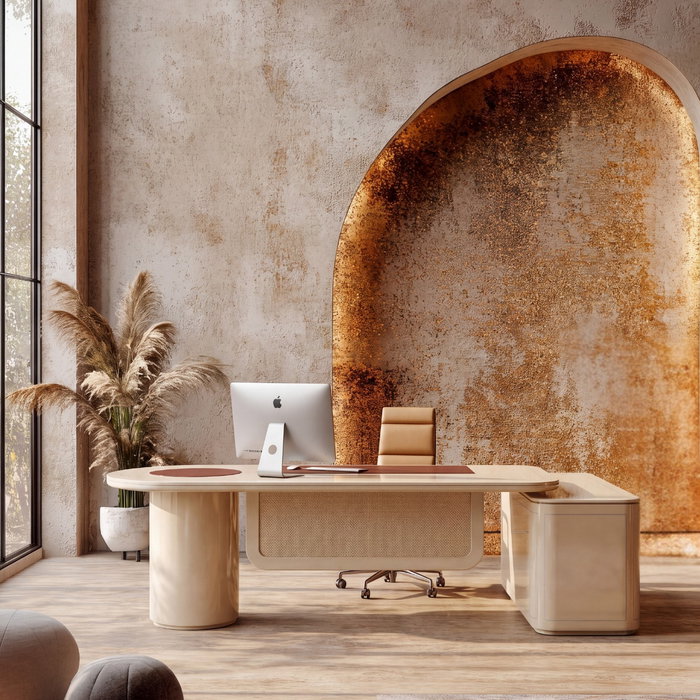
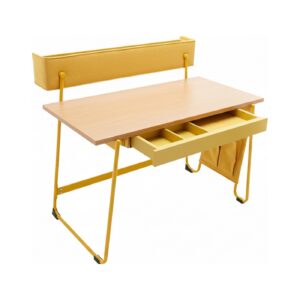
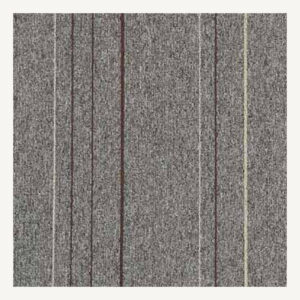
One of the most effective ways to add warmth to a minimalist office is to use natural textures. Wood, especially light-toned oak or beech, instantly brings warmth and an organic feel to the space. Using wood in desks, shelving units, or small decorative objects introduces naturalness without disrupting the minimalist lines. Rugs, curtains, cushions, or upholstery fabrics made from natural fibers like wool, linen, and cotton provide a soft touch and help absorb sound, creating a calmer environment. These textures offer visual and tactile richness, making the space feel more ‘lived-in’.
Creating Ambiance with Layered Lighting
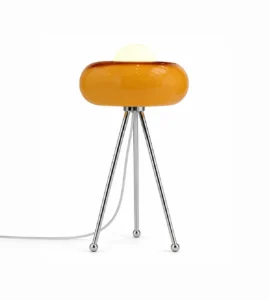
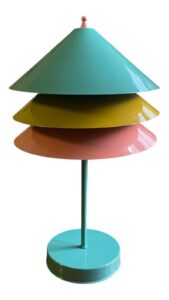
Lighting plays a crucial role in creating warmth in minimalist offices. Using only a single ceiling light can make the space appear flat and cold. Instead, it’s important to adopt a layered lighting strategy. In addition to general lighting, create depth and ambiance by using different light sources such as task lighting (desk lamp) and accent lighting (wall sconces, indirect lighting). Warm yellow light tones create a more inviting atmosphere than white light. Using a dimmer to adjust light intensity according to different times of day or your mood can change the energy of the space.
The Effect of Indirect Lighting
Indirect lighting reflects light off a surface, creating a soft and diffused effect. This eliminates harsh shadows and gives the space a warmer, more inviting feel. Hidden LED strips reflecting off ceilings or walls, in particular, add a modern touch to a minimalist design while also providing a warm ambiance.
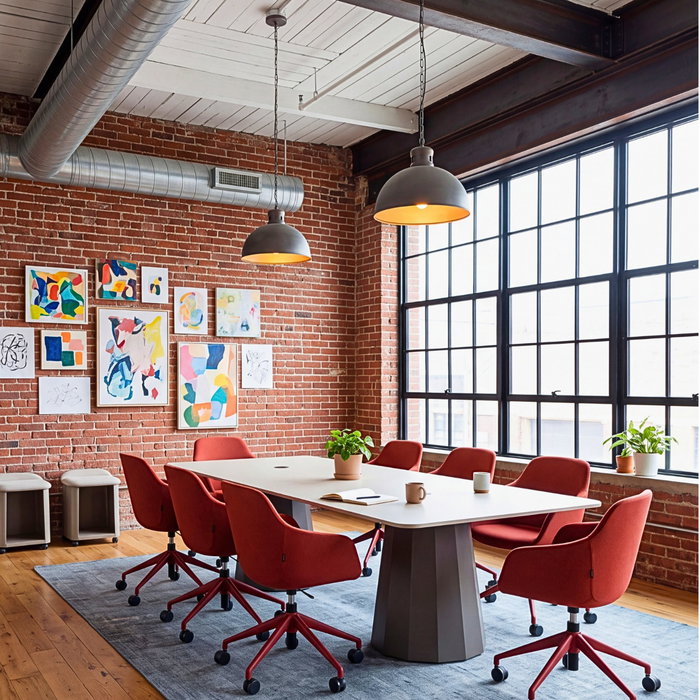
Image: Warm minimalist office
Adding Vibrancy and Naturalness with Plants
Plants instantly add vibrancy, color, and naturalness to a minimalist office. Not only aesthetically pleasing, they also improve the quality of your work environment by purifying the air and reducing stress. Large-leafed plants (like snake plants, peace lilies) or small succulents add an organic touch to the space without disrupting the minimalist lines. Combine plants with pots made from simple, natural materials (terracotta, ceramic, wicker) for a cohesive look. Embrace biophilic design principles to make nature a part of your office.
Incorporating Warm Tones into the Color Palette
Minimalist offices are often associated with neutral color palettes (white, gray, black). However, adding touches of warm tones to this palette can add depth and warmth to the space. Colors like beige, cream, earth tones, rust, or soft greens complement the main neutral palette, creating a more inviting atmosphere. You can maintain the minimalist aesthetic by using these colors on an accent wall, in furniture upholstery, or small accessories, rather than on all walls. Consider the psychological effects of colors to make choices that positively impact your work efficiency and mood, a crucial element in ‘ergonomic office design’.
“Minimalism is not just about reducing possessions, but also the art of creating the deepest and most meaningful experience with less; adding warmth and soul is part of this.”
Personal Touches and Artistic Elements
Adding personal touches is crucial to prevent a minimalist office from looking cold. However, this doesn’t mean cluttering the space. A few carefully selected pieces of art, a sculpture, a favorite photograph, or a small souvenir can add character and story to your office. These elements reflect your personality, making the space more inviting and inspiring. The important thing is that each object has a purpose or meaning and supports the minimalist aesthetic.
More posts
All postsLatest posts
@kavelafurniture