






6 April 2026
Desk Material Differences and Durability for Your Workspace
In today's work environments, a desk is more than just a piece of furniture; it's a critical element forming the foundation of productivity and comfort. Beyond the design, ergonomics, and dimensions of the desk, the material it's made from directly impacts its longevity, aesthetics, and user experience. While many different material options exist, from wood to metal, glass to MDF, each has its unique advantages and disadvantages. This article explores the material differences and durability in desk selection.
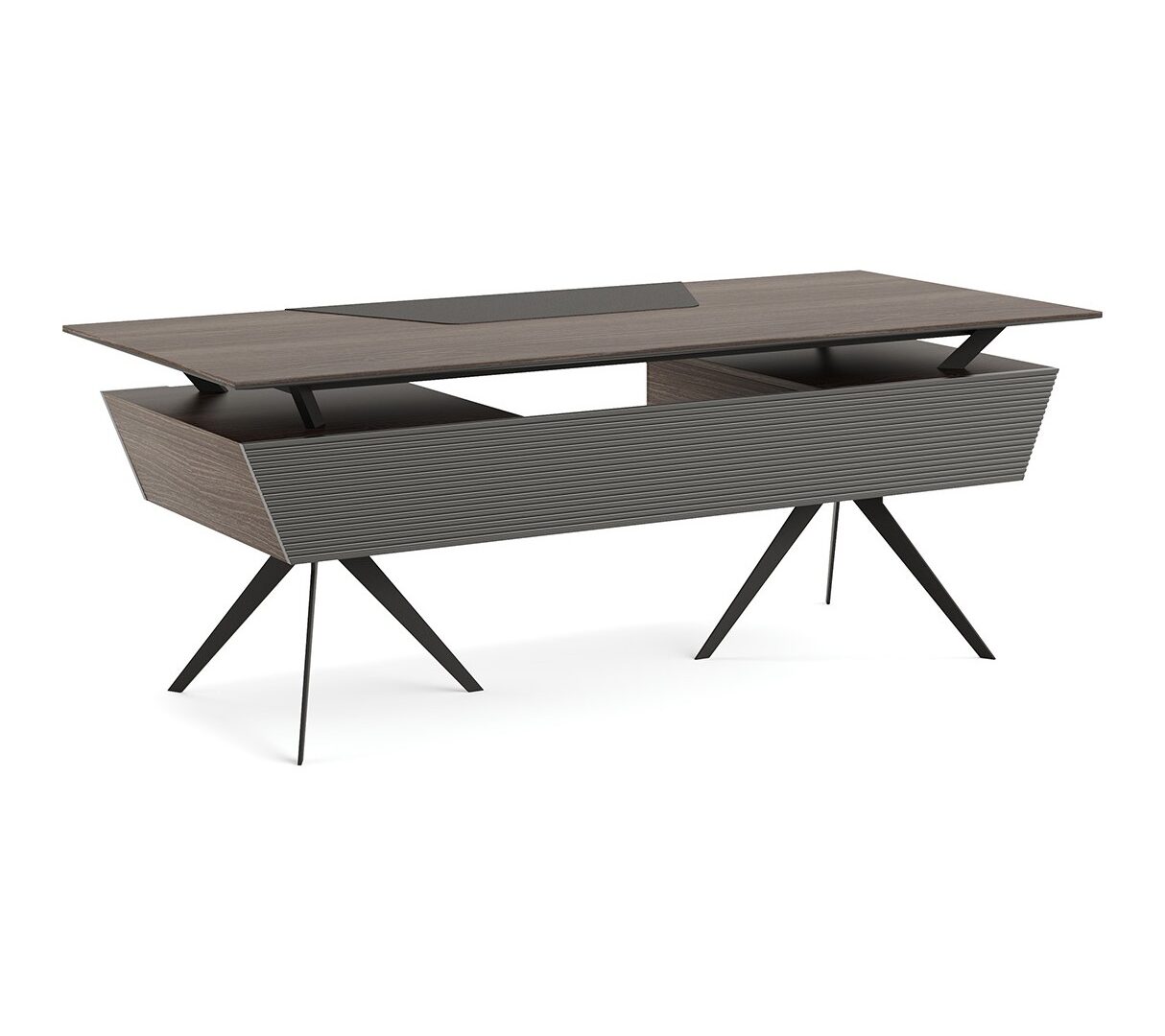
Quick Answer: Desk material options include natural wood (oak, walnut), metal, glass, MDF, and particleboard; each differs in durability, aesthetics, and maintenance requirements.
A desk, in today’s rapidly changing business world, is much more than just a surface; it’s the center of productivity, ergonomics, and even work motivation. Beyond the size, shape, and ergonomic features of the desk, the material it’s made from directly affects its lifespan, aesthetics, and overall experience. From the warmth of wood to the industrial elegance of metal, the modern touch of glass to the practicality of MDF, many desk materials are available. Each material has its unique advantages, disadvantages, and durability characteristics. This article will detail the material differences in desk selection and their long-term impact on use, helping you choose the most suitable desk for your needs, especially when considering ‘turkey office furniture’ options.
Natural Wood Desks: Aesthetics and Longevity
Natural wood is one of the most classic and timeless options for desks. Hardwoods like oak, walnut, and beech stand out with their high durability and unique grain patterns. Natural wood desks are highly resistant to scratches and impacts and can last for generations with proper care. Aesthetically, they add warmth, naturalness, and prestige to a space. However, natural wood desks can be more expensive than other options and may be sensitive to humidity and temperature changes. Their lifespan can be extended with regular maintenance and wood protectors. These are premium choices in ‘turkey office furniture’.
Metal Desks: Industrial Elegance and Robustness
Metal, especially steel or aluminum, is a popular material for modern and industrial-style desks. Metal desks offer exceptional robustness and durability. They are highly resistant to scratches, impacts, and heavy loads. Often preferred in minimalist and modern office designs, metal gives the space a sharp, clean, and professional look. Maintenance is easy; they can be cleaned by simply wiping with a damp cloth. However, metal surfaces can have a cold touch and may risk paint chipping or rusting if scratched (except for stainless steel). Many ‘turkey office furniture’ brands offer stylish metal desks.
Metal and Wood Combinations
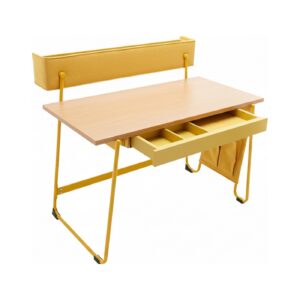
In recent years, desks produced with a combination of metal and wood have become very popular. This combination merges the robustness and modernity of metal with the warmth and natural beauty of wood, offering an aesthetically and functionally balanced solution.
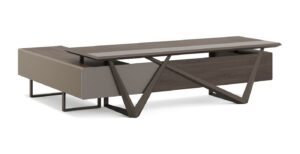
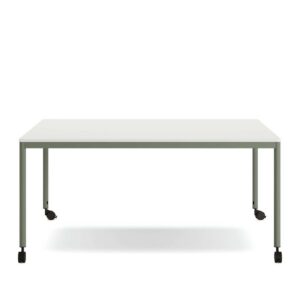
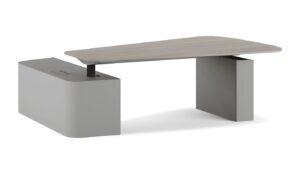
Image: Examples of wood, metal, and glass desks
Glass Desks: Modern Look and Maintenance Tips
Glass desks add spaciousness and modernity to a space with their minimalist and transparent appearance. Especially in small areas, the light-reflecting property of glass makes the room appear larger. While tempered glass is quite resistant to scratches and breakage, it can show fingerprints and dust more easily. Glass desks, requiring regular cleaning, are ideal for those who want to add a sophisticated touch to their office. It’s important to avoid dropping heavy items or sharp impacts. These are often seen in contemporary ‘turkey office furniture’ collections.
MDF and Particleboard Desks: Budget-Friendly and Diverse Options
MDF (Medium-Density Fiberboard) and particleboard desks are much more affordable alternatives to natural wood. They are usually covered with melamine, laminate, or veneer, offered in various colors and patterns. MDF has a denser and smoother surface than particleboard, making it more suitable for painting or veneering. Both materials are sensitive to water and humidity; they can swell if their edges and surfaces are not well sealed. While they have average durability, they are not as resistant to heavy impacts or continuous moisture exposure as natural wood or metal. They offer practical solutions for those with budget constraints or who frequently change their office layout, making them popular ‘home office ideas’.
“Choosing a desk material is not just an aesthetic preference, but a strategic decision that directly affects the desk’s lifespan, ease of maintenance, and ergonomic performance.”
Melamine-Coated Desks: Durability and Easy Cleaning
Melamine-coated desks typically have surfaces covered with melamine resin applied over MDF or particleboard. This coating provides the desk with greater resistance to scratches, heat, and water. Offering a wide range of colors and patterns, melamine can also imitate real wood appearances. They are very easy to clean and are frequently used in office environments.