












21 November 2025
Doctor’s Furniture: How Should a Clinic Be Designed?
(2025 Guide – Clinic Design Focused on Hygiene, Trust, and Comfort) Doctor's furniture should be hygienic, durable, and professional. For ease of cleaning, antibacterial surface materials should be preferred; for patient trust, simple and modern designs; and for comfort, ergonomic chairs. Colors should include white, light gray, blue, and wood tones. Patient areas and doctor's workspaces should be neatly organized.

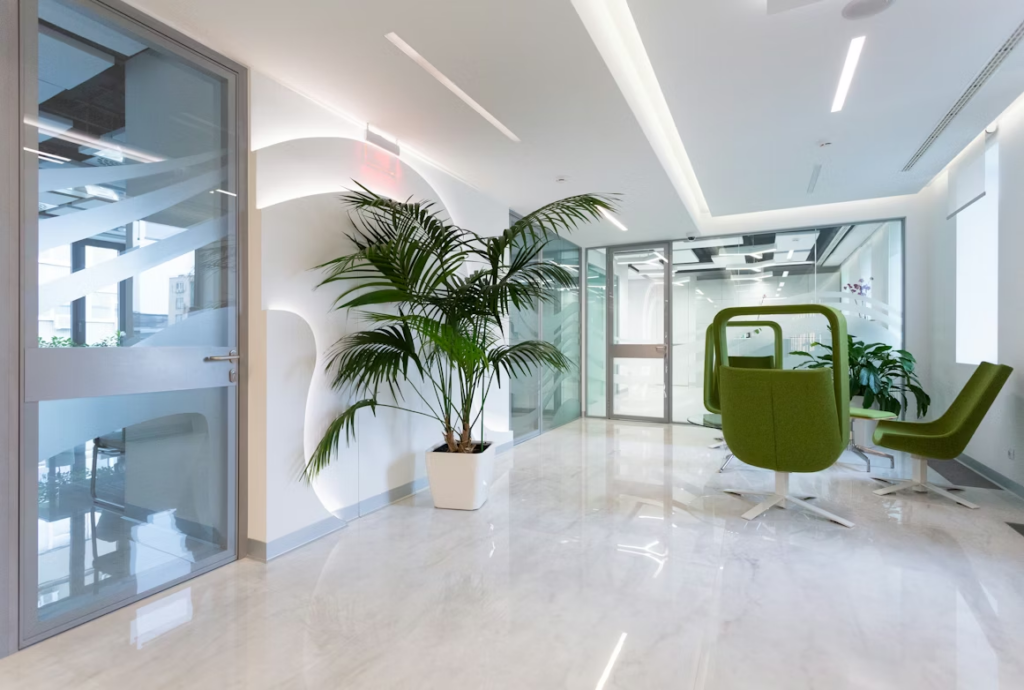
The healthcare sector is one of the most critical areas where trust is paramount. The moment a patient steps into a clinic, the first impression is shaped not only by the doctor’s expertise but also by the organization of the space, the quality of the furniture, and the overall atmosphere. Therefore, doctor’s furniture and clinic design are not merely aesthetic considerations; they are strategic elements impacting patient psychology, hygiene, efficiency, and corporate identity.
In this comprehensive guide, we delve into how a clinic should be, the criteria for selecting doctor’s furniture, and how to enhance both patient satisfaction and working comfort through the right furniture choices, especially for those looking for quality office furniture in Turkey.
Why Is Clinic Design So Important?
Clinics are often places patients visit feeling stressed and anxious. A well-designed clinic reduces this anxiety, builds a sense of trust, and positively influences patient-doctor communication.
Research indicates that patient satisfaction increases by up to 25% in well-organized and professionally designed clinics.
Furniture is central to this experience. Poorly chosen, non-ergonomic, or low-quality furniture can both decrease the doctor’s work efficiency and create a negative perception for the patient. When considering office furniture in Turkey for medical settings, these factors are crucial.
What is Doctor’s Furniture?
Doctor’s furniture encompasses all furniture products specifically designed for the healthcare sector, used in examination rooms, doctor’s offices, patient reception areas, and waiting rooms.
Key Doctor’s Furniture Items
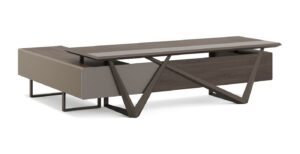
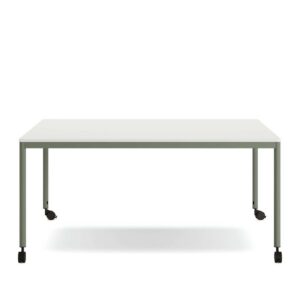
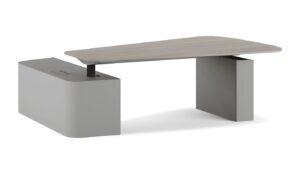
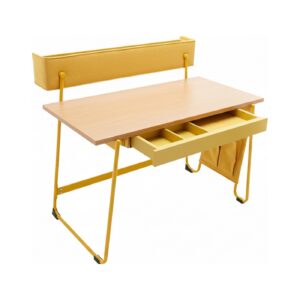
- Doctor’s desk and workstation
- Examination table
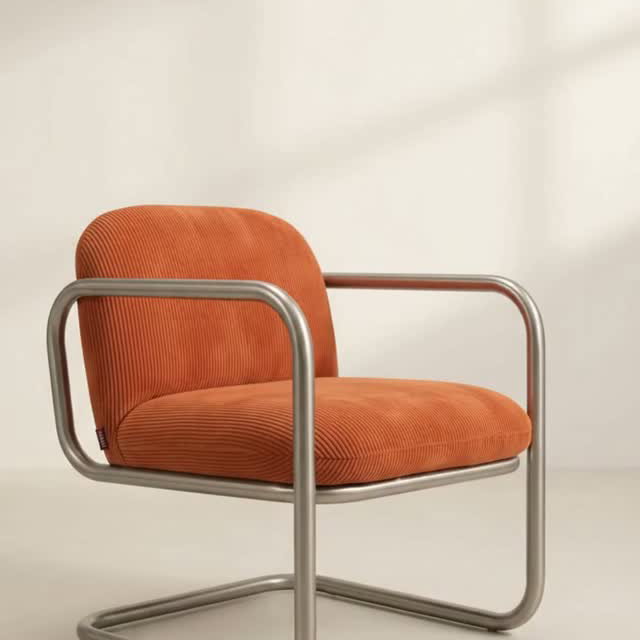
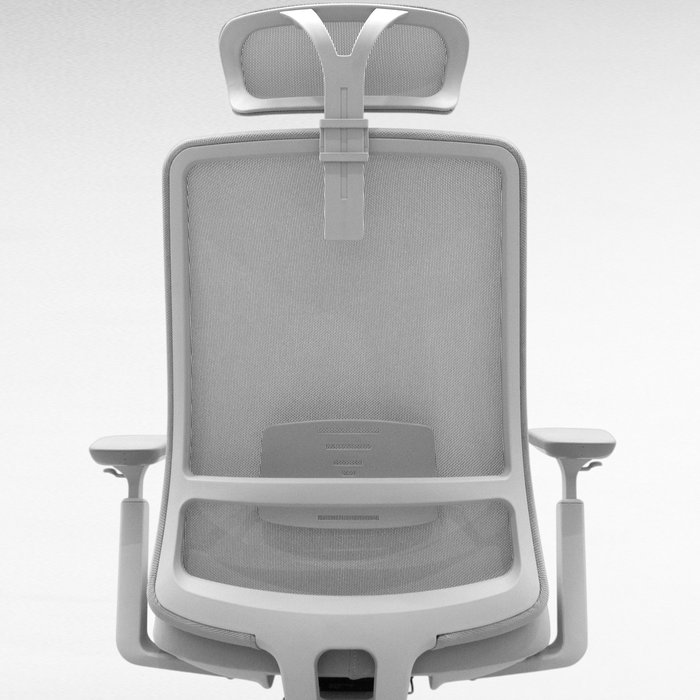
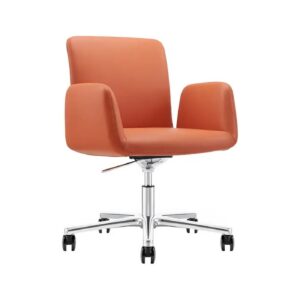
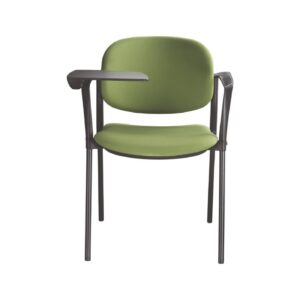
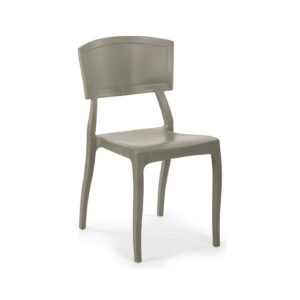
- Doctor’s and patient’s chairs
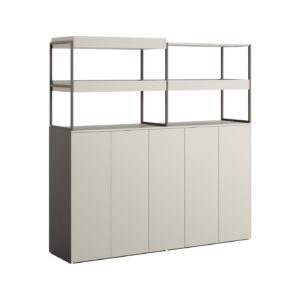
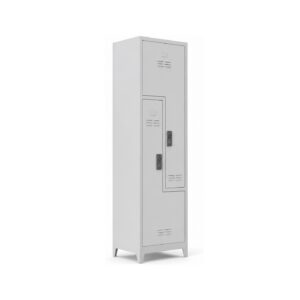
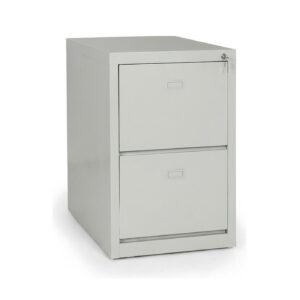
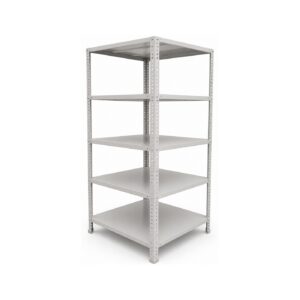
- Cabinets and archiving units
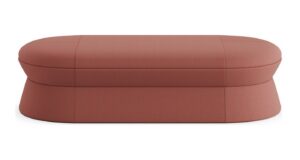
- Waiting area seating groups
All these furniture pieces must be hygienic, ergonomic, durable, and easy to clean. This is particularly important for office furniture in Turkey’s healthcare sector, where standards are high.
::contentReference[oaicite:1]{index=1}
What Makes an Ideal Clinic?
1. Hygiene Must Be a Priority
In clinics, hygiene is the cornerstone of design. It is crucial for furniture surfaces to have antibacterial properties, be easy to wipe down, and resist dirt accumulation.
- Lacquered or compact laminate surfaces
- Designs with minimal joint gaps
- Wipeable, stain-resistant upholstery
2. Ergonomics and Doctor’s Comfort
Doctors spend a significant portion of their day standing or at their desks. Therefore, doctor’s desks, chairs, and storage units should be designed with ergonomics in mind to support body health. This is a key aspect of ergonomic office design.
An incorrectly heighted desk or a chair without lumbar support can lead to serious musculoskeletal problems in the long run. Investing in ergonomic office furniture is vital for the well-being of medical professionals.
3. An Atmosphere That Supports Patient Psychology
In clinic design, color selection and furniture form directly influence patient psychology. Instead of a cold and stark environment, opt for light tones, rounded corners, and simple lines. This creates a more welcoming and less intimidating space.
How to Choose Examination Room Furniture?
The examination room is the heart of the clinic. Both the doctor and the patient need to feel safe and comfortable here.
Doctor’s Desk
The doctor’s desk should present a tidy, functional, and professional appearance. It must provide sufficient space for computers, files, and medical equipment. When sourcing office furniture in Turkey, look for desks that combine aesthetics with practicality.
Examination Table
The examination table should be easy to clean, durable, and designed with patient comfort in mind. Height-adjustable models offer advantages for both the patient and the doctor.
Patient Chairs
Muay