









28 February 2026
Efficient Meeting Room Design: A Guide to Choosing the Right Conference Table
In the modern business world, efficient meetings are critical for company success. A cornerstone of this efficiency is a well-designed meeting room, and of course, the conference table at its heart. Choosing a conference table is more than just an aesthetic preference; it directly impacts participant comfort, interaction, and thus, the quality of the meeting. This comprehensive guide will help you...
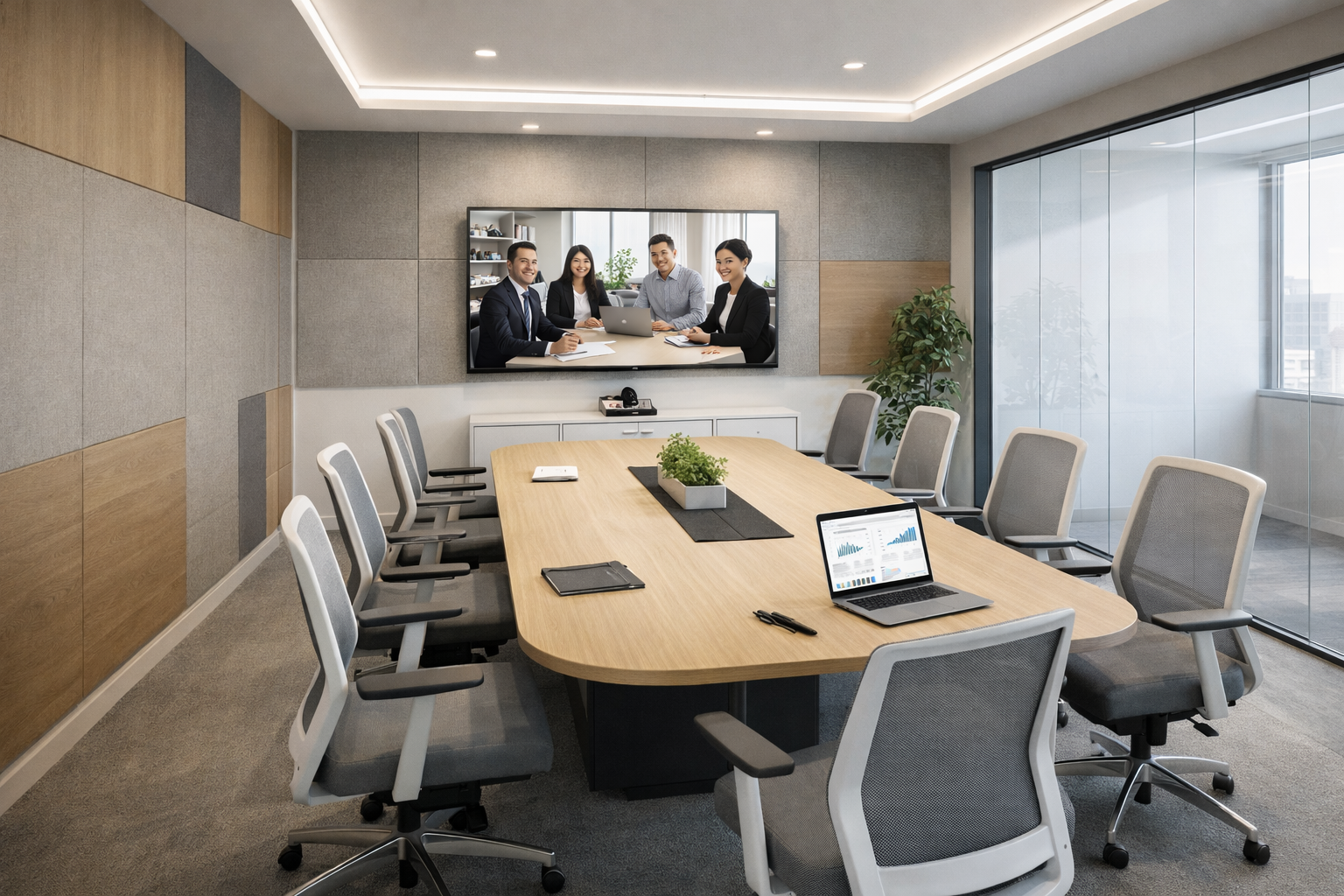
In today’s business world, meeting rooms are far more than just places to gather. They are dynamic hubs where strategic decisions are made, creative ideas blossom, collaborations are strengthened, and company culture is reflected. For this reason, the design of a meeting room, and especially the selection of the conference table that serves as its focal point, has a direct impact on overall productivity and participant satisfaction. The right table choice facilitates communication, enhances comfort, and supports technological integration, ensuring meetings run more smoothly and effectively. A wrong choice, however, can reduce meeting efficiency due to cramped spaces, uncomfortable seating arrangements, or technological glitches, potentially even negatively affecting participant motivation. This comprehensive guide aims to help you find the ideal conference table, balancing functionality, aesthetics, and ergonomics. Whether you are setting up a new office or planning to renovate your existing meeting room, the information in this guide will help you make an informed and long-lasting investment. Our goal is to help you create a meeting environment that is not only visually appealing but also functional and productive. Remember, a well-designed meeting room not only enhances your company’s prestige but also makes your employees and business partners feel valued, marking an important step on the path to corporate success, especially for those seeking quality Turkey office furniture.
Table Size and Shape: Space Optimization and Participant Capacity
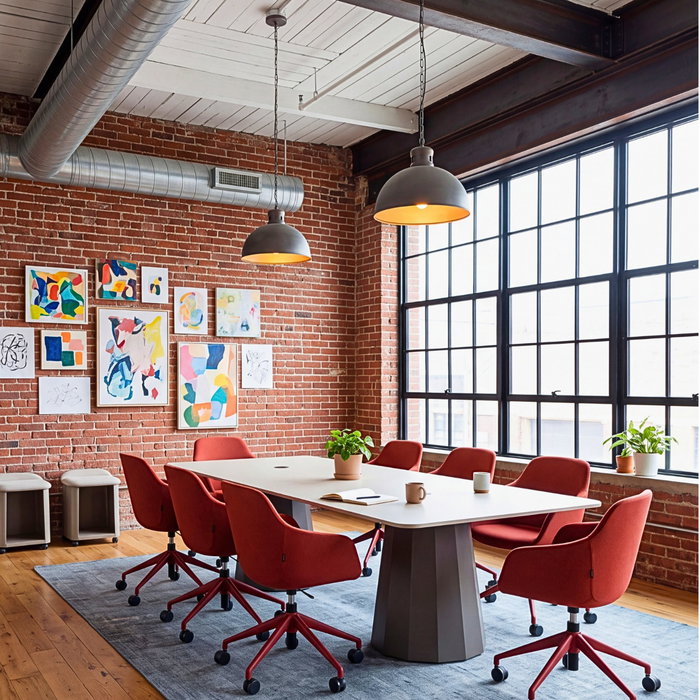
The first and perhaps most critical step in choosing a conference table is to accurately analyze the dimensions of the meeting room where the table will be placed and the number of participants it needs to accommodate. Table size directly affects the room’s overall flow, movement space, and participant comfort. A table that is too large can make the room feel cramped and suffocating, while one that is too small can make participants feel squeezed. Ideally, there should be at least 100-120 cm of clear space between the edges of the table and the room’s walls or other furniture. This provides enough room for chairs to be pulled out comfortably and for people to move freely within the room. The number of participants is also a key factor in determining table size; approximately 60-75 cm of width should be allocated per participant at the table. This allows them to maintain their personal space and comfortably place their work materials.
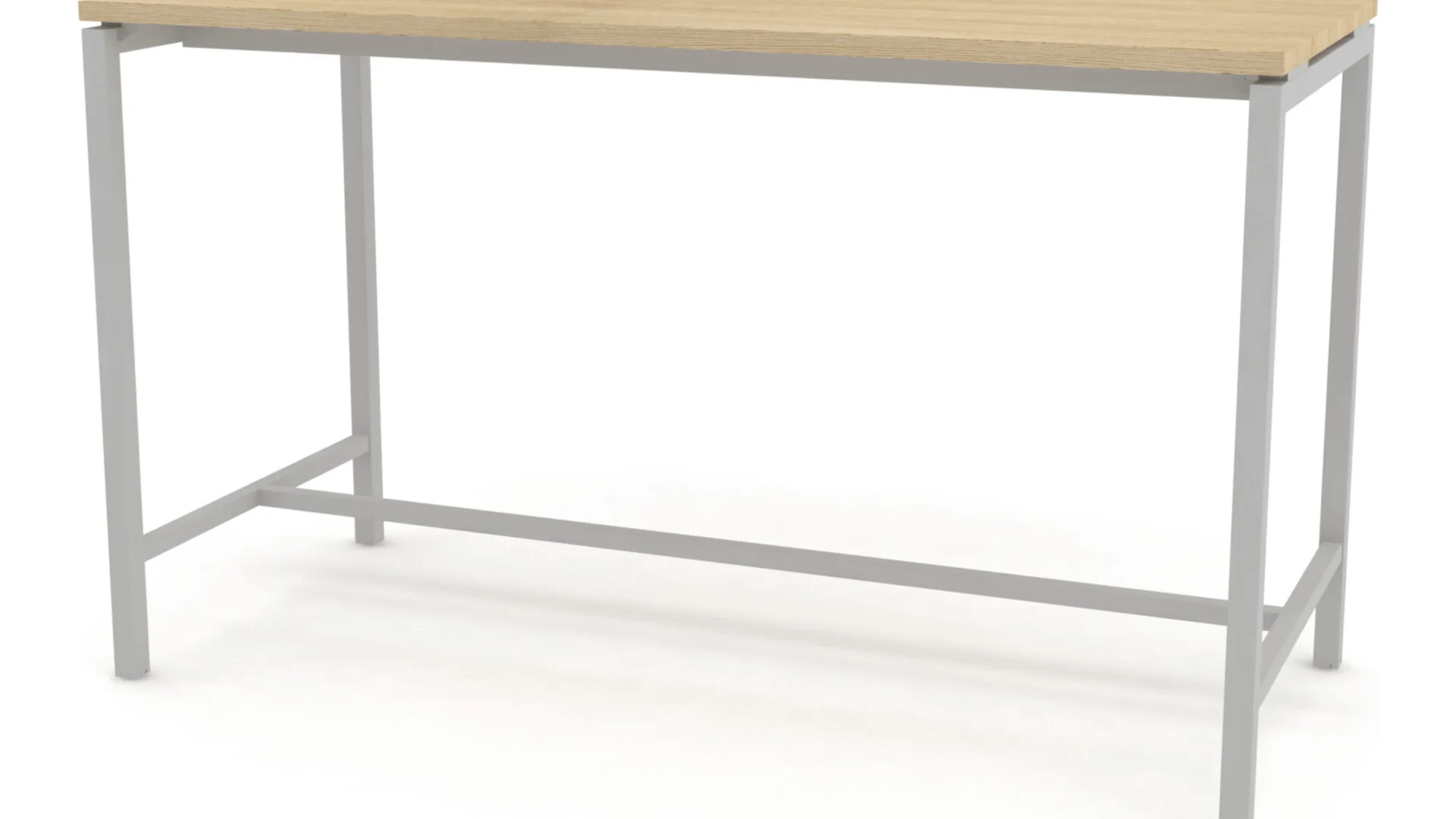
The table shape, on the other hand, significantly influences meeting dynamics and communication. Rectangular tables are the most common and traditional option. They generally offer a more formal atmosphere and can emphasize a hierarchical order. They are ideal for large groups of participants and provide a suitable focal point for presentations. However, it can be difficult for those sitting at the short ends of the table to make eye contact with others. Oval or boat-shaped tables soften the formality of the rectangular shape and create a more fluid communication environment. The absence of corners fosters a greater sense of equality among participants and encourages more intimate interaction. They are an excellent choice for environments where visual presentations are frequent, but collaboration is still paramount. Round tables emphasize equality and collaboration to the highest degree. They offer an environment where everyone can see each other comfortably and sit at an equal distance. They are ideal for small to medium-sized groups and perfect for intensive brainstorming sessions. However, they may not be practical for very large groups and can take up a lot of space. U-shaped or horseshoe-shaped tables are specifically designed for training, seminars, or presentation-focused meetings. This arrangement allows a speaker or presenter to easily interact with all participants and provides a large surface for participants to take notes or use their laptops. Modular table systems, in turn, offer flexible solutions that can be rearranged to suit different needs. Such tables can easily adapt to varying participant numbers or different meeting formats, making them a versatile choice for modern Turkey office furniture setups.