

















28 February 2026
Ergonomic Office Chair Selection: A Comprehensive Guide for Back Health
In today's modern working life, spending long hours at a desk poses serious risks to back and spinal health. One of the most fundamental ways to minimize these risks and increase your productivity is choosing the right ergonomic office chair. This comprehensive guide provides all the necessary information for you to make an informed choice that considers not only your comfort but also your long-term health.
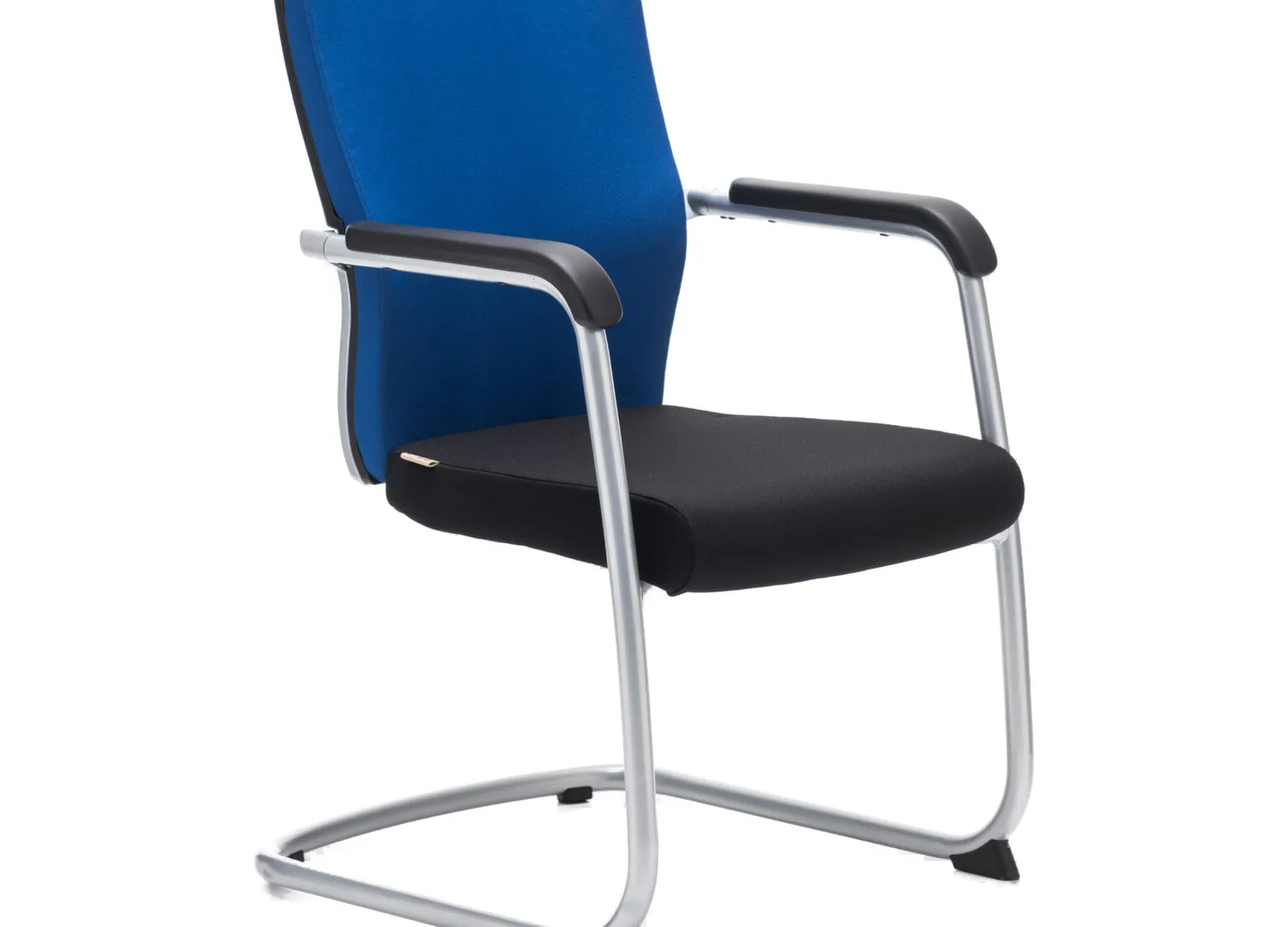
In the modern business world, especially for professionals who spend long hours at a desk, back and spinal health is becoming increasingly critical. With the advancement of technology and the widespread adoption of remote work models, the time spent in home offices or corporate workspaces is increasing, reinforcing the importance of proper seating arrangements. This is precisely where ergonomic office chair selection stands out as one of the most important steps you can take, not just for your immediate comfort, but also for your long-term health and overall quality of life. Choosing the wrong chair can lead to many health problems such as chronic back pain, posture disorders, neck and shoulder tension, while the right ergonomic chair prevents such discomforts, increasing your work efficiency and ability to focus. This comprehensive guide aims to provide all the knowledge you need to find your ideal ergonomic office chair. We will delve into every detail, from the basic principles of ergonomics to chair features, usage tips, and frequently asked questions, to help you make a choice that protects your back health, provides full body support, and maximizes your working comfort. Remember, a good office chair is not a luxury, but an investment in your health.
What is Ergonomics and Why is it Important for an Office Chair?
Ergonomics, derived from the Greek words “ergon” (work) and “nomos” (law), is the scientific discipline that designs work environments and products in line with human body capacities and limitations. Its main goal is to optimize the interaction between humans and systems, thereby increasing productivity, ensuring comfort, and minimizing health risks. In other words, ergonomics aims to adapt the work to the human, rather than expecting the human to adapt to the work. In an office environment, this covers a wide range, from the height of the desk to the position of the keyboard and mouse, the viewing angle of the monitor, and most importantly, the ergonomic office chair selection we sit on. So, why does ergonomics play such a vital role for an office chair?
One of the biggest challenges brought by modern working life is that individuals spend a large part of their day sedentary, at a desk. This leads to unnatural posture positions, increased pressure on the spine, and the widespread prevalence of musculoskeletal disorders. An ergonomic office chair is designed to eliminate these negative effects. By supporting the body’s natural curves, it ensures proper spinal alignment, thereby reducing pressure on the discs and preventing muscle fatigue. Thanks to its adjustable features, it provides personalized support by adapting to different body types and working habits. This not only prevents physical discomfort but also improves blood circulation, maintains energy levels, and prevents chronic pain in the long run. Therefore, an ergonomic chair is more than just a piece of furniture; it is a proactive protector for your health and a critical tool for your productivity. It should be remembered that good ergonomic design secures not only your comfort today but also your health tomorrow.
Back Health and Office Chair Relationship: Risks and Solutions
Back health is one of the most important factors directly affecting our overall quality of life and work performance. Prolonged sitting positions, especially sitting in an unsuitable office chair, can have serious negative effects on back health. Problems such as the disruption of our spine’s natural S-curve, increased pressure on the discs, weakening or overstretching of muscles, can lead to chronic back pain, herniated discs, neurological disorders like sciatica, and posture problems over time. These risks can lead not only to physical pain but also to loss of concentration, decreased work efficiency, and even psychological discomfort.
A wrong office chair does not provide sufficient support to the lumbar region. This leads to the spine bending into a C-shape (slouching posture), putting excessive load on the posterior part of the intervertebral discs. Over time, these discs can wear out, swell, or rupture, which is known as herniation. Furthermore, incorrect positioning of the legs or arms in the chair can negatively affect blood circulation, leading to numbness and tingling. Sitting in a bad chair, the abdomen