









25 June 2026
Executive Chair or Office Chair? Differences and Selection
Executive Chair and Office Chair: How Your Chair Defines Your Status and Well-being in the Office?
When it comes to office decoration, one of the first pieces of furniture that comes to mind is undoubtedly chairs. However, often the difference between an “executive chair” and a standard office chair is thought to be merely the price tag. Yet, these two products differ significantly from each other, from design philosophy to materials used, ergonomic support to longevity. A wrong choice can both threaten your back health and create a visual incompatibility in your office. In this guide, with the experience we have gained as an office furniture manufacturer, we will enable you to base your decision on concrete data.
1. Design Philosophy and Purpose of Use
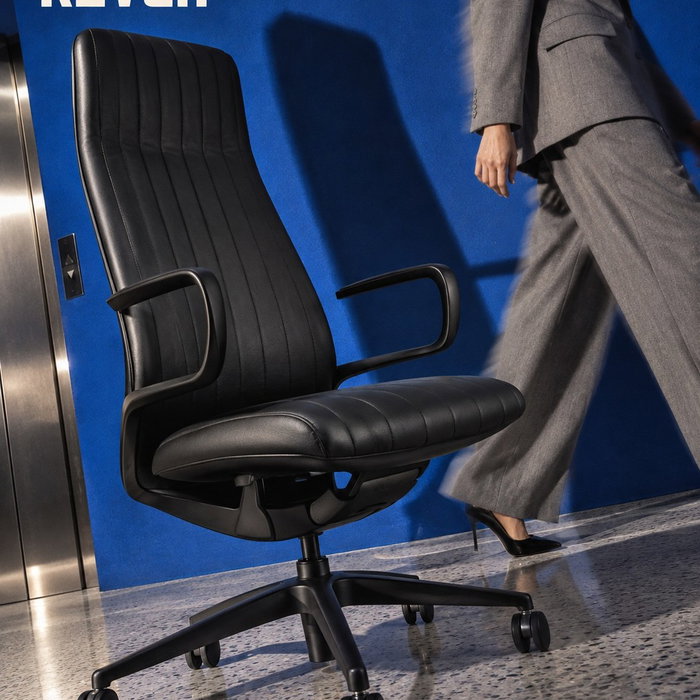
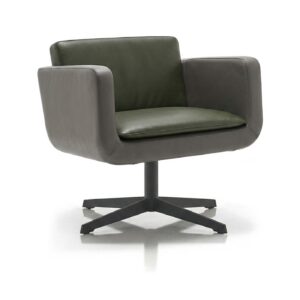
The executive chair is primarily a representation tool. With its wide backrest, high lumbar support, and elaborate stitching details, it is indispensable for executive offices or meeting rooms. These chairs are designed to give the user a sense of authority and comfort. They are generally upholstered in leather or high-quality artificial leather (PU); backrest height varies between 70 cm and 85 cm. The aim is to “envelop” and support the user during long meetings or hours spent at the desk.
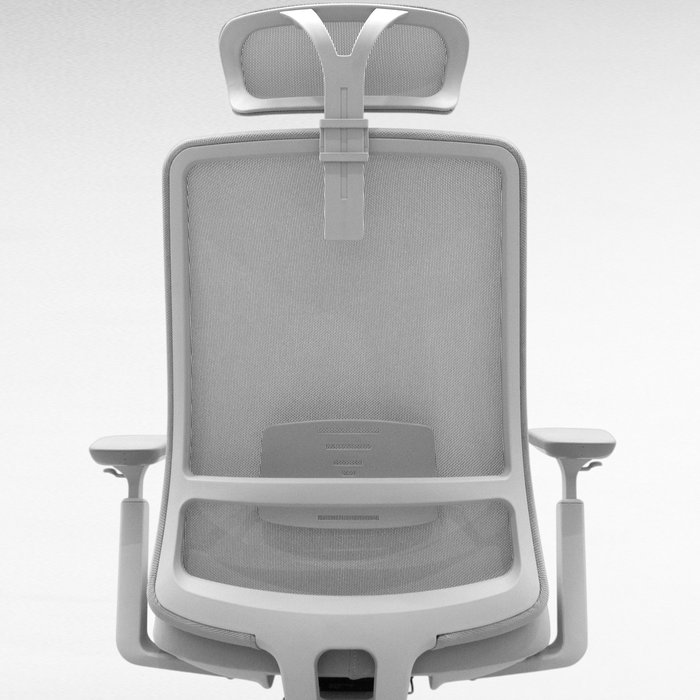
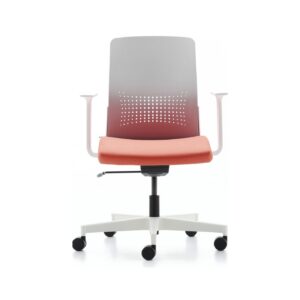
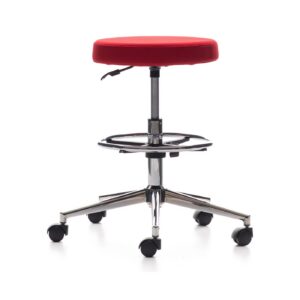
A standard office chair, on the other hand, is focused on functionality. With its more compact structure (backrest height generally 50-65 cm), it prioritizes mobility. Its fabric or mesh backrests provide air circulation. These chairs are ideal for employees who frequently change positions throughout the day, lean back while talking on the phone, or need to quickly reach for a file. Unlike the “dignified” posture of an executive chair, an office chair offers a more dynamic use.
2. Ergonomics and Body Support: Concrete Differences
Ergonomics is critical in both chair types, but their focus points differ. In an executive chair, lumbar support usually comes with a more pronounced and fixed curve. For example, foam density is chosen between 50-55 kg/m³ to distribute pressure on the lumbar region of the lower back. This helps maintain the natural curve of the spine during prolonged sitting. Seat depth (front-to-back distance of the seating surface) is generally between 50-55 cm; this ensures full support for the thighs.
In office chairs, however, adjustability comes to the forefront. Parameters such as seat height (generally between 42-52 cm), armrest height, and backrest recline angle have finer adjustments. In mesh-back models, the backrest curve flexes with every movement of the user, following the spine. However, the foam quality in these chairs is generally lower (35-40 kg/m³). If you spend more than 8 hours a day at your desk, the dense foam and wide seating area offered by an executive chair provide a more comfortable experience by reducing pressure points.
3. Material Quality and Durability
The lifespan of a chair is directly related to the materials used. The frequently preferred MDF lacquer or solid oak bases in executive chairs offer both an aesthetic appearance and a load capacity of up to 150 kg. The walnut leather or high-quality PU material used in upholstery does not crack and retains its color even after years. A high-quality executive chair’s five-star metal base is made of cast aluminum and subjected to durability tests of over 100,000 cycles.
In office chairs, however, cost-oriented materials are more common. Plastic bases, mechanism covers made of melamine-coated particleboard, and lighter foams are used. This makes the chair lightweight but compromises longevity. Especially if you plan to use it for more than 5 years, the material quality of an executive chair pays for itself.
4. Dimensions and Space Compatibility
Properly scaling the space in your office is critical. A standard executive chair occupies an average base area of 70 cm in width and 75 cm in depth. When the backrest height reaches 80 cm, it can create a visual heaviness in rooms with low ceilings or small rooms. Office chairs, on the other hand, are more compact; 60 cm width and 65 cm depth are standard. Therefore, an office chair is more practical in open-plan offices or with narrow desks.
In our workshop in Ankara, especially for executive chair orders, we obtain the square footage of our customers’ executive offices and their desk height in advance. This is because standard dimensions may not suit every space. For example, for a user who is 180 cm tall, it may be necessary to increase the backrest height to 85 cm or adjust the seat depth to 55 cm. Such customizations are almost impossible with ready-made office chairs.
5. Price-Performance and Return on Investment
The expenditure on an executive chair is usually 2-3 times that of an office chair. However, this difference stems from the quality of materials used and craftsmanship. For example, a 3000 TL executive chair might last 10 years longer than a 1500 TL office chair. Furthermore, the professional impression it leaves on clients creates an immeasurable value, especially in offices where clients are hosted.
Office chairs, on the other hand, are a shorter-term solution. If your team is constantly growing or you have office relocation plans, office chairs offer a more flexible option. But remember: in both chair types, warranty period and spare part availability affect the total cost in the long run. As Kavela, we offer a 5-year mechanism warranty, especially for executive chairs; because we know these chairs are designed for long-term use.
6. Which Chair Should You Choose? A Practical Checklist
To simplify your decision, ask yourself these questions:
- Usage duration: Do you sit for more than 6 hours a day? → An executive chair offers better support.
- Mobility: Do you frequently get up and go to other desks? → An office chair is lighter and more agile.
- Client hosting: Will your chair be seen by your clients? → An executive chair leaves a professional impression.
- Budget: Are you planning to replace the chair within 5 years? → An office chair offers a lower initial cost.
- Physical dimensions: Are you taller than 1.85 m or heavier than 100 kg? → The executive chair’s wide seating area and sturdy frame are more suitable for you.
Frequently Asked Questions
Is an executive chair suitable for everyone?
No. Executive chairs are generally wider and heavier. They can restrict the user in small offices or dynamic work environments (e.g., open-plan offices). Additionally, they allow less air circulation compared to a mesh-back office chair; therefore, they might cause discomfort in hot climates or for individuals prone to sweating. The most accurate choice depends on your usage habits and body structure.
What dimensions should I consider when buying an executive chair?
Firstly, seat height (should fit comfortably under your desk), seat depth (there should be a 2-3 finger gap behind your knees), and backrest height (should fully support your shoulders) are critical. Additionally, armrest height should be level with your desk. Although these dimensions are adjustable in a standard executive chair, we strongly recommend trying it before purchasing.
Is an executive chair or an office chair more durable?
Generally, executive chairs are more durable. This is because the materials used (leather, solid wood, metal mechanism) are more robust and they are usually produced with better craftsmanship. A high-quality executive chair can be used for 10-15 years with regular maintenance. Office chairs, on the other hand, may experience issues like foam collapse or mechanism failure after an average of 3-5 years.
Related: For executive chairs and more, browse our Kavela catalogs and collections: executive chairs office chairs.