





27 July 2026
Executive Desk Selection Guide: 5 Different Styles and Which Position They Suit
Classic Wooden Executive Desk: Traditional Authority and Prestige. Wood is a material that never goes out of style in office furniture. Especially dark woods like walnut or mahogany...

Classic Wooden Executive Desk: Traditional Authority and Prestige
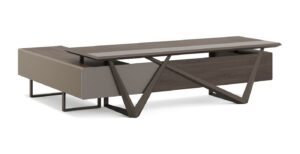
Wood is a material that never goes out of style in office furniture. Especially solid wood executive desks in dark tones like walnut or mahogany stand out as a traditional symbol of hierarchy and power. This type of desk typically comes with dimensions of 180 cm to 220 cm in width and 90 cm in depth. The 25-30 mm thick solid wood top easily supports heavy files and equipment placed on it. If you are a law firm manager, a high-ranking public official, or the CEO of a well-established family business, a classic wooden desk will give you both physical and symbolic gravitas. The Ligna model is one of the most prominent examples in this category and adds prestige to your office with its warm wood texture. The biggest advantage of these desks is their longevity and how they gain character over time.
Contemporary Lacquer Executive Desk: For Modern and Minimalist Offices
Matte lacquer surfaces such as white, black, or anthracite are indispensable for contemporary office design. These desks are typically covered with 2-3 layers of polyester lacquer applied over MDF, and their surface hardness ranges between 3H and 4H. This provides high resistance to scratches in daily use. They are available in standard sizes starting from 160 cm x 80 cm, up to larger variants like 200 cm x 100 cm. A contemporary lacquer desk is ideal for mid-level managers working in technology companies, advertising agencies, and creative industries. Thanks to its clean lines, it easily harmonizes with other furniture in the office. The Golf model offers the simplicity and functionality of this style; it creates a distraction-free workspace, especially in open-plan offices.
Glass-Top Executive Desk: Transparency and Modernity
Glass-top desks are typically produced using tempered glass with a thickness of 10 mm to 12 mm. This glass is approximately 5 times more durable than standard window glass. It features a metal or wooden leg system underneath. The glass surface adds a fresh and professional ambiance to the office. However, due to its potential to show fingerprints and dust, it requires regular cleaning. These types of desks are generally suitable for positions such as sales managers, project managers, or customer relations directors, who frequently host visitors and wish to project a transparent image. The Diade model meets these expectations with its elegant combination of glass and metal. The visibility of accessories on the glass top encourages tidiness.
U and L-Shaped Executive Desks: Multi-Screen and Teamwork
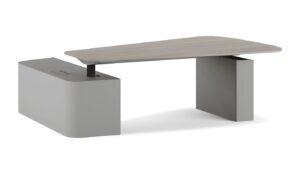
U and L-shaped desks offer a large work surface. An L-shaped desk typically occupies an area of 180 cm x 180 cm, while a U-shaped desk can extend up to 200 cm x 200 cm. These shapes allow the manager to organize both computer screens (typically 2-3 27-inch monitors) and physical documents simultaneously. Additionally, the side wings serve as an extra surface for short meetings. These desks are ideal for professionals who need to constantly monitor data flow, such as finance directors, IT managers, and operations managers. The Unify model can be converted into an L or U shape according to your office size, thanks to its modular structure. This flexibility makes it easier to adapt to changing team dynamics.
Compact CEO Desk: A Big Solution for Small Offices
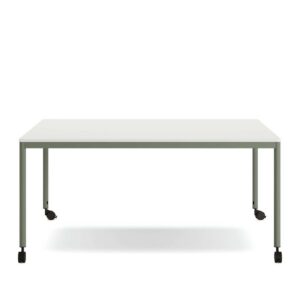
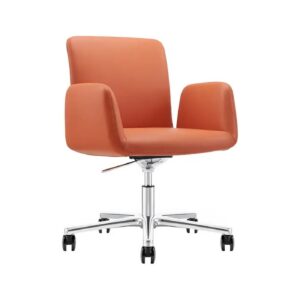
Not every manager may have a spacious corner office. Compact CEO desks start with smaller dimensions like 140 cm x 70 cm but still maintain an executive feel. They typically offer integrated storage solutions such as drawer cabinets and cable management channels. The desk height is usually 74 cm, but some models feature adjustable feet of 2-3 cm. These desks are a perfect fit for startup founders, general managers, or branch managers. While efficiently utilizing limited space, they create a sense of authority in the office. An ergonomic executive chair placed next to the desk, such as the Hera office chair or, for a higher level of comfort, the Ares Relax executive chair, complements this compact arrangement. Ergonomic factors such as lumbar support and seat height adjustment in chair selection directly impact productivity during long working hours.
Executive Chair Selection and Desk Compatibility
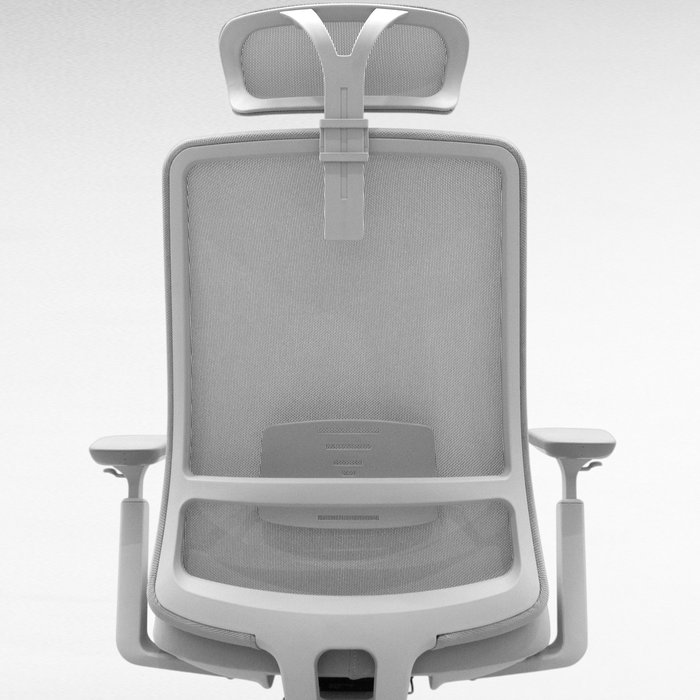
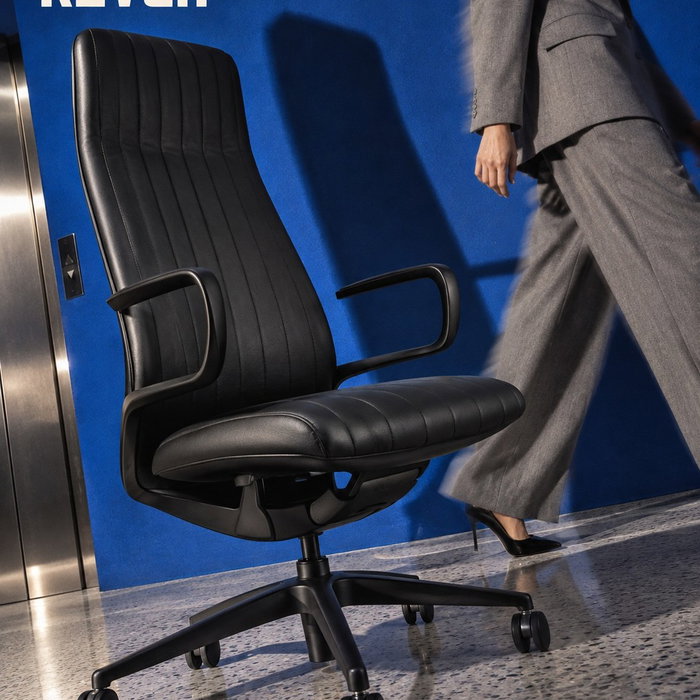
When choosing an executive desk, the chair to be used with it should also reflect the same style. While a leather-upholstered, high-backed chair looks natural next to a classic wooden desk, a mesh-backed or slim-profiled chair would be more compatible with a contemporary lacquer desk. Chair height should be proportionate to desk height; in an ideal sitting position, your elbows should form a 90-degree angle with the desk surface. The Compasso chair is a lightweight and functional option that can be used with a modern desk, whereas heavier models with wide armrests should be preferred for a more traditional office. Remember that the harmony between the desk and chair is not only aesthetic but also the key to all-day physical comfort.
Conclusion
Choosing an executive desk is not just about buying a piece of furniture; it’s also about shaping your professional identity and work habits in your office. Classic wooden models offer authority and tradition, contemporary lacquer designs provide modernity and simplicity, glass-top solutions convey transparency, and U/L-shaped desks offer functionality and efficiency. Compact CEO desks, on the other hand, create an effective executive space even in limited areas. When making your choice, considering the image required by your position, the physical dimensions of your office, and your practical daily workflow needs will increase your long-term satisfaction.