









1 July 2026
Furniture Strategy in Office Relocation: Discard, Sell, or Buy New Decision
The office relocation process, beyond logistical details, is a critical decision point for the existing furniture inventory. Taking old desks, chairs, and storage units...
The office relocation process, beyond logistical details, is a critical decision point for the existing furniture inventory. Taking old desks, chairs, and storage units to the new address may not always be logical. Factors such as moving costs, the remaining physical life of the furniture, and compatibility with the new office plan should be evaluated for each piece individually. In this article, we present a decision matrix to help you determine the most appropriate strategy for your furniture during an office relocation.
Remaining Physical Life and Durability Analysis of Old Furniture
The first step to understanding whether a piece of furniture is worth moving is to objectively evaluate its current condition. Especially for fabric-covered products, the Martindale abrasion test value is an important criterion. For example, a chair that has reached 15,000-20,000 cycles in daily use may show signs of wear shortly after relocation. For metal components, it should be checked whether there is chrome plating peeling or pressure loss in gas springs (e.g., Class 3 or 4 gas springs used in Celsius chair models). A product that has been in intensive use for over 5 years and has not had parts replaced is highly likely to need renewal within 1-2 years, in addition to the moving cost. In this case, selling or completely disposing of the product might be more economical.
Moving Cost vs. New Investment Cost
The moving cost of an office chair is usually calculated per piece and includes items such as disassembling and reassembling the chair, packaging materials, and insurance. For example, moving a standard guest chair like a Golf model, weighing around 25 kg, can incur an additional cost of 150-250 TL, depending on the logistics company. In contrast, it is possible to purchase a brand new, guaranteed product compatible with the new office decor for the same budget. If there are 50 chairs to be moved, the total moving cost could exceed 10,000 TL. This figure could be half the cost of buying a low-cost but new model. At this point, it can be said that if the moving cost exceeds 30% of the new product’s price, the “buy new” option is more rational.
Compatibility with New Office Plan and Ergonomics Factor
The square meter layout of your new office may not match the dimensions of your existing furniture. For example, an executive desk measuring 160×80 cm that you used in your old office might not fit into a narrower space in your new office. Furthermore, if you are transitioning to an open-plan office, lower and modular systems might be preferred over high-paneled workstations. At this point, the impact of old furniture on the new office’s acoustic and lighting arrangements should also be considered. For instance, for a meeting table to be placed in a naturally lit area of the new office, a product with more modern and minimalist lines, such as the Zeta model, can improve the overall ambiance of the space. Old, heavy, and dark-colored furniture can create visual clutter in a new and spacious office. This incompatibility can directly affect employee satisfaction and office productivity.
Second-Hand Sales Channels and Disposal Strategies
The second-hand market for furniture you decide to dispose of is quite extensive. Office furniture, especially mass-produced and high-brand-value products (e.g., a high-quality Half Moon meeting chair), can be sold through online platforms or companies specializing in office decor. When determining the selling price, valuing the product at 15-25% of its original purchase price would be realistic. Furthermore, the tax implications of furniture should not be forgotten. The sale of furniture recorded as company assets and not fully depreciated can affect the income tax base. Therefore, consulting an accounting expert to calculate the tax advantages obtained through sale or donation would be beneficial. For products that cannot be sold, contracting with recycling companies can reduce waste management costs.
Decision Matrix: Which Furniture Goes Where?
You can use a simple scoring system to evaluate the above criteria together. Give each piece of furniture a score between 1 and 5 for the following four criteria (5 being the most positive, 1 the most negative):
- Physical Condition: Fabric is not worn, mechanisms work smoothly. For example, a 3-year-old Aria office chair can score high.
- Moving Cost Suitability: The cost of moving the piece is less than 30% of the cost of a new one. Disassemblable and lightweight products are advantageous here.
- Compatibility with New Office: Fits the new plan in terms of size, color, and style. Light-colored and modular products score higher.
- Second-Hand Value: Brand recognition and general demand. Standard office chairs generally see moderate demand.
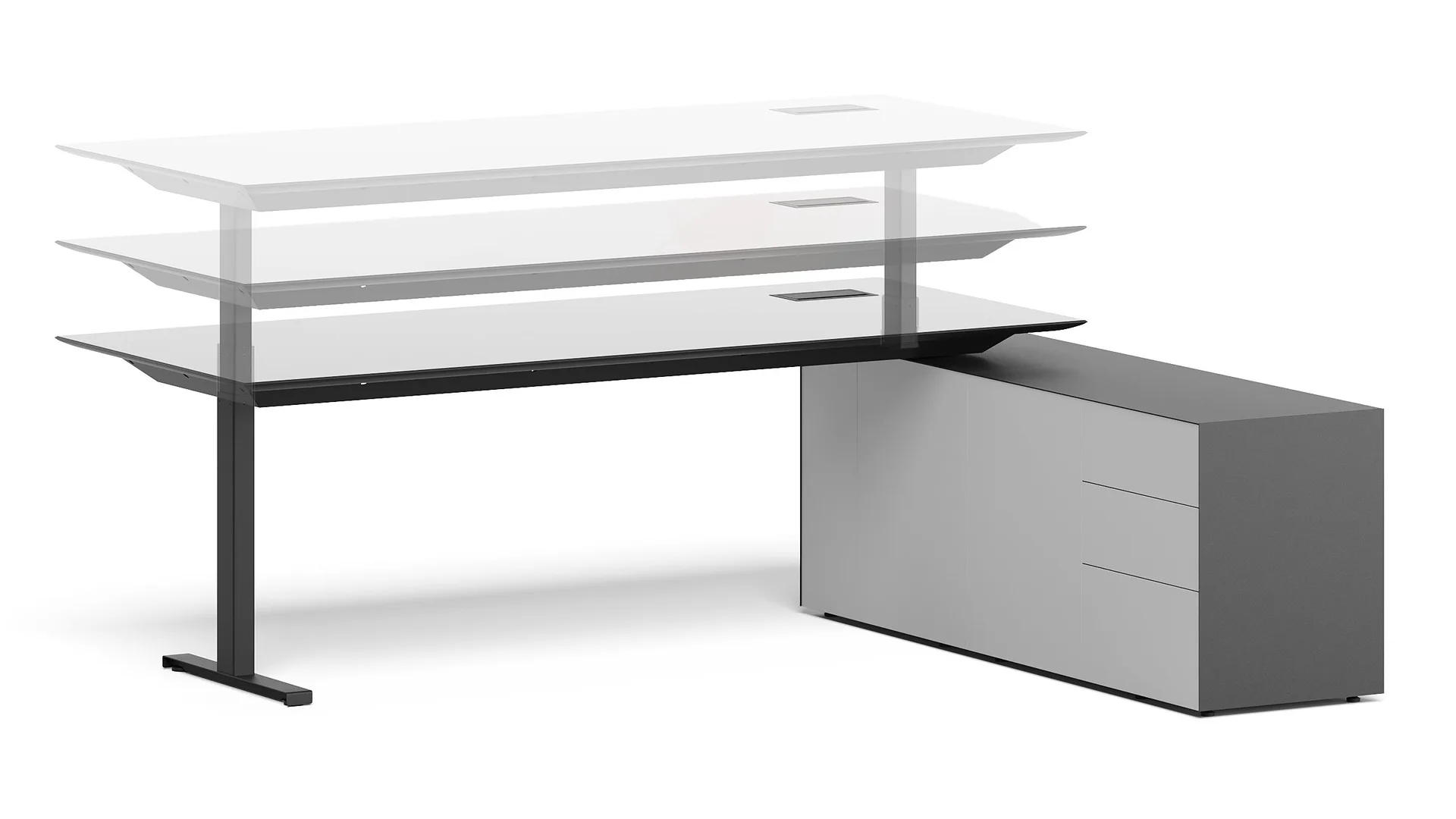
You can consider moving furniture with a total score between 16-20. For those between 10-15 points, the option of selling or donating should be evaluated. Products below 10 points should be disposed of directly. This matrix helps you create a data-driven strategy instead of emotional decisions. For example, an old Up & Down model can be moved if its base mechanism is sound and it can be used in a reception area in the new office; however, if the moving cost for a worn example of the same model is half the price of buying a new one, it should be put up for sale.
Conclusion
The furniture strategy in office relocation is not merely a short-term moving cost calculation. Factors such as the remaining life of each piece of furniture, its ergonomic and aesthetic compatibility in the new space, and its second-hand market value should be evaluated together. The proposed decision matrix systematizes this multi-dimensional analysis, preventing unnecessary moving expenses and increasing investment efficiency. It should be remembered that every relocation is also an opportunity to renew office culture and enhance employee comfort. With the right strategy, you can both protect your budget and create a more functional working environment in your new office.