











21 November 2025
Furniture That Defines a Space: On Psychological and Aesthetic Impacts
When you step into a living space, the first thing that greets you is not just the shape or color of the furniture; it's a character...
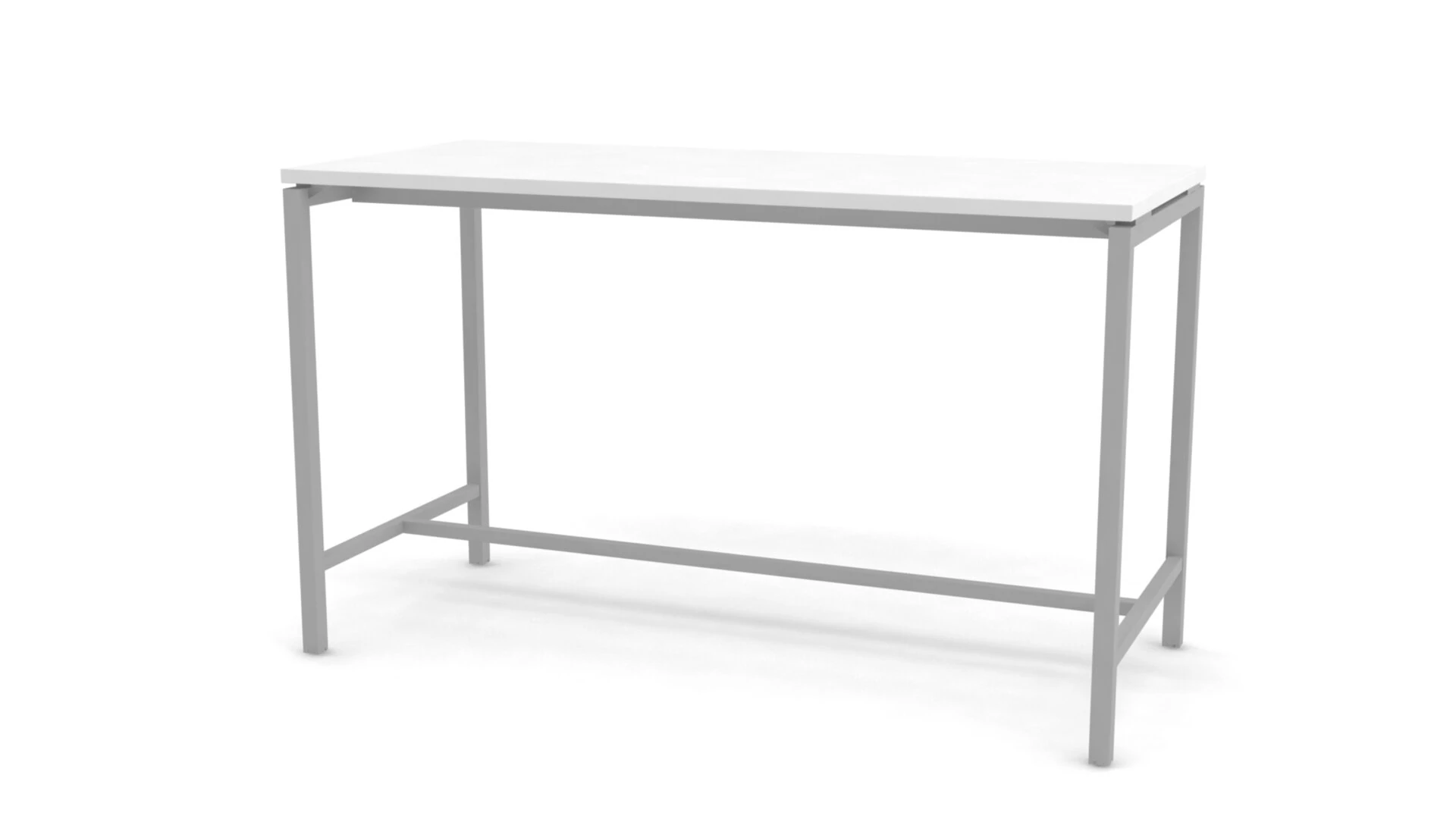

When you step into a living space, the first thing that greets you is not just the shape or color of the furniture; it’s a character, an identity that is felt there. This invisible bond between people and space is largely established through the chosen furniture. Especially in interior design, correctly establishing this bond directly affects both user psychology and aesthetic perception. This is crucial for creating effective ergonomic office design and home office ideas.
At Kavela, we operate with the understanding that “furniture is not just an object, but the soul of a space.” In this article, we will discuss the psychological effects and aesthetic power of personalized furniture choices for individuals and spaces, and the role our brand plays in this process, particularly in the context of Turkey office furniture and interior design.
Furniture Selection is a Statement
Every individual has a different lifestyle and a different aesthetic understanding. These differences are directly reflected in living spaces such as homes or offices. For example, a seating area made of simple and natural materials can create a sense of peace and tranquility, while dark tones and geometric lines can represent a strong and determined stance.
Psychologically, furniture selection is a way for individuals to express themselves. This raises the following questions:
-
Who lives or works in this space?
-
What activities are performed?
-
What are the user’s needs?
-
Which style makes them feel good?
The answers determine the fundamental direction of interior architecture and furniture preferences, especially for home office ideas and ergonomic office design.
Space-Specific Furniture: Functional Psychology
Custom furniture production is not just a visual preference, but also a functional necessity. A properly proportioned desk, a supportive chair, or a seating arrangement that correctly utilizes natural light can make a huge difference for the user. This is at the heart of ergonomic office design.
Well-designed furniture:
-
Reduces stress
-
Increases concentration
-
Improves rest quality