











1 March 2026
Home Office Lighting: Impact on Focus and Eye Health
With the rise of remote work, home office setups have become more critical than ever. At the forefront of these arrangements is proper lighting. Insufficient or incorrect lighting not only causes eye strain but also reduces your ability to focus and negatively impacts your overall productivity. So, how do you achieve ideal lighting for your home office? This article will cover every detail, from natural light to artificial light sources, color temperature to lighting layers, to help you create a healthy and productive home office environment.
Quick Answer: Home office lighting is critically important for reducing eye strain, increasing focus, and boosting overall productivity. Maximizing natural light, using layered artificial lighting at appropriate color temperatures, and preventing glare will protect your eye health and positively impact your work performance. This is essential for home office ideas and ergonomic office design.
Today, the work-from-home model has become the new normal for many. However, a critical factor often overlooked when working in the comfort of home is: home office lighting. Proper lighting not only improves the aesthetics of your workspace but also directly affects your ability to focus, your mood, and most importantly, your eye health. Insufficient or incorrectly positioned light sources can lead to headaches, eye strain, and even long-term vision problems. In this comprehensive guide, we will detail ideal lighting strategies for your home office, light types, color temperatures, and practical application tips. Our goal is to help you create a lighting environment that both protects your eyes and maximizes your work efficiency. Let’s discover the power of light and transform your home office into a healthier and more productive space, incorporating best practices for home office ideas.
The Importance of Home Office Lighting: Why is the Right Light Critical?
Home office lighting is much more than just choosing a lamp. The human body’s natural circadian rhythm is extremely sensitive to light. Incorrect lighting can disrupt this rhythm, leading to sleep disturbances, energy drops, and loss of concentration. Especially for those who spend long hours in front of screens, eye strain (asthenopia) is a common complaint. Insufficient light or excessive glare constantly strains eye muscles, leading to this condition.
Proper lighting, on the other hand, creates the opposite effect: it increases alertness, improves mood, and supports cognitive performance. For a focused work environment, it is essential to establish a balanced relationship between the ambient light level and screen brightness. Preventing your eyes from constantly trying to adapt to different light levels significantly reduces fatigue. Furthermore, activities like reading or writing in dim light strain your eyes more and can increase the risk of myopia. Therefore, providing appropriate and sufficient lighting for every activity in your home office is vital for both your short-term comfort and long-term eye health, a key element of ergonomic office design and home office ideas.
Natural Light: The Home Office’s Best Friend
Natural light is the foundation of home office lighting and a resource that should be utilized to the maximum extent possible. Sunlight offers a broad spectrum that improves mood, increases alertness, and reduces eye strain. When designing your home office, positioning your desk close to a window is the first step to making the best use of natural light. However, some precautions may be necessary to prevent direct sunlight from causing glare on your screen or leading to overheating.
Positioning your desk parallel or perpendicular to the window is effective in minimizing glare. Sitting directly opposite the window can cause reflections on your screen, while sitting with your back to the window can lead to your screen being shadowed. The ideal is to position the desk sideways to the window. Additionally, you can use roller blinds, Venetian blinds, or sheer curtains to filter light and adjust its intensity. Light-colored walls and furniture also help reflect natural light, making the room appear brighter and more spacious, enhancing your home office ideas.
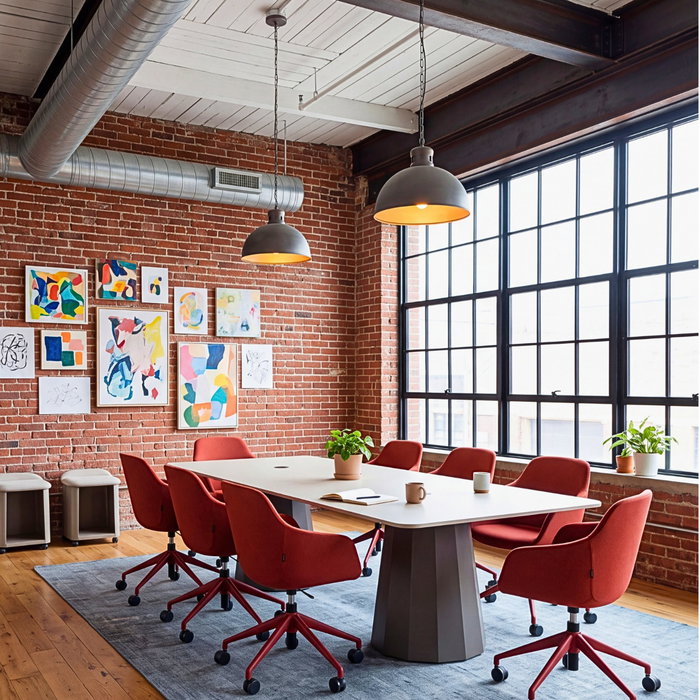
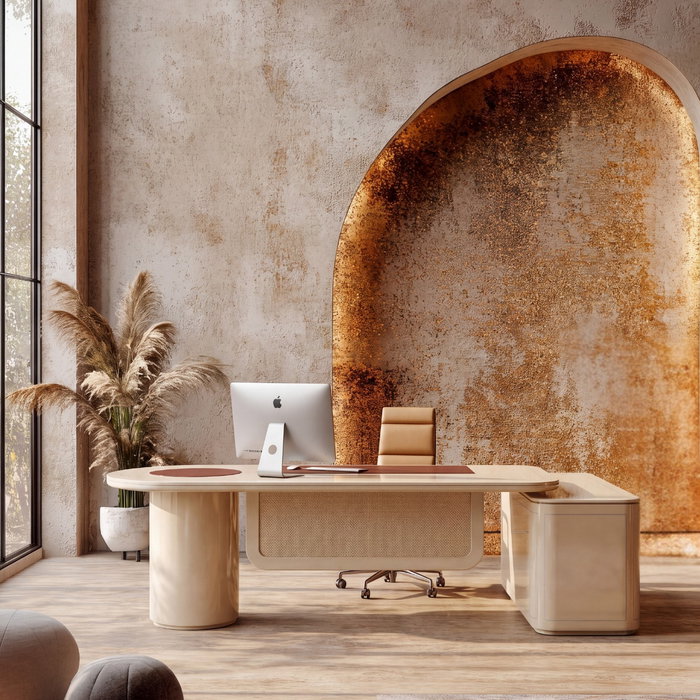
[Image: An ergonomic home office space positioned by a window, making the best use of natural light]
Artificial Lighting Layers: A Balanced Light Orchestra
As important as natural light is, it may not be sufficient at all hours of the day. This is where artificial lighting comes in. For effective home office lighting, combining three different lighting layers yields the best results: general lighting (ambient), task lighting, and accent lighting.
General Lighting (Ambient Light): This is the main light source that illuminates the entire room. Ceiling lights, recessed spotlights, or chandeliers fall into this category. Its purpose is to prevent the room from being dark or dim, soften shadows, and create a general sense of brightness. It should not be too strong or too weak, but provide balanced brightness.
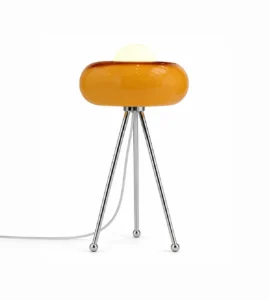
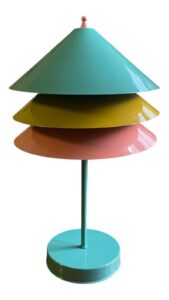
Task Lighting: This lighting provides direct light to a specific area, such as your desk. Desk lamps, adjustable pendant lamps, or monitor lamps serve this purpose. Task lighting is critically important for detail-oriented tasks like reading, writing, or keyboard use. It should be designed not to cause glare, a crucial part of ergonomic office design and home office ideas.