

















1 March 2026
How Office Colors Affect Your Mood: Tips for the Right Choice
Office colors deeply influence many psychological processes, from employees' mood and productivity to their creativity and stress levels. The right color choice can elevate your workspace's energy, enhance focus, or, conversely, decrease motivation. In this guide, you'll find the psychological effects of different colors in an office environment, palettes that boost productivity, and tips for choosing colors that align with your corporate identity. Transform your office into a space that supports both aesthetics and functionality.
Quick Answer: Office colors, through their psychological effects, directly impact employees’ mood, productivity, stress levels, and creativity. The right color choice can enhance focus, boost motivation, and improve overall well-being, while a wrong choice can lead to negative outcomes. This is a key consideration for ergonomic office design in Turkey.
The colors in your workspace affect much more than you might think. At Kavela.furniture, we know that choosing office colors is not just an aesthetic preference, but also plays a decisive role in many psychological and physiological processes, from employees’ mood and productivity to their creativity and stress levels. Scientific research reveals the complex interactions of colors on the human brain, showing that the right color palette can not only make an office visually appealing but also transform it into a more productive, motivating, and peaceful space. The wrong color choice, on the other hand, can lead to loss of concentration, fatigue, and even increased stress. So, how do you choose the most suitable colors for your office? In this comprehensive guide, starting from the basics of color psychology, you will discover the effects of different colors in an office environment and practical tips for making the right choice.

Color Psychology: Meanings of Colors in the Office Environment
While the psychological effects of colors on people vary culturally, some universal perceptions exist. When choosing colors for an office environment, understanding the potential impact of each color is critically important. Warm colors are generally associated with energy and excitement, while cool colors evoke a sense of calm and focus. Neutral tones, on the other hand, offer balance and professionalism. Understanding this fundamental distinction is the first step in shaping the overall atmosphere of your office, especially when considering office furniture in Turkey.
Warm Colors: Energy and Creativity
Warm colors like red, orange, and yellow are often synonymous with dynamism, energy, and passion. Red can increase blood pressure and create a sense of urgency, so it should be used sparingly in attention-grabbing areas or places requiring short bursts of energy. Orange encourages sociability and creativity, while yellow provides joy, optimism, and mental stimulation. However, when overused, these colors can cause restlessness and eye strain.
Cool Colors: Calm and Focus
Cool colors such as blue, green, and purple are associated with calmness, peace, and professionalism. Blue is known for its concentration-enhancing and stress-reducing properties; it is often preferred in detail-oriented sectors like finance. Green, reminiscent of nature, conveys a sense of balance, freshness, and renewal; it can reduce eye strain in environments requiring long periods of work. Purple, on the other hand, is a symbol of luxury, creativity, and wisdom, but excessive use can lead to melancholy.
Neutral Colors: Balance and Professionalism
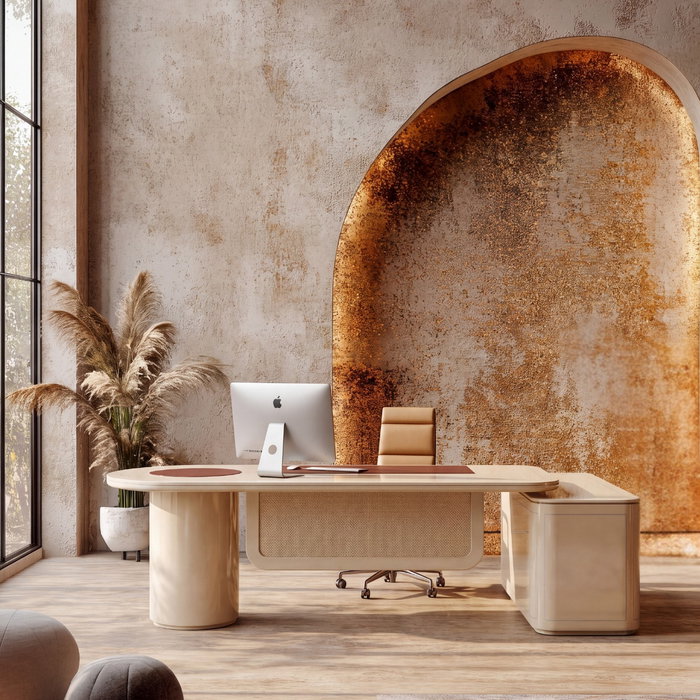
Neutral colors like gray, beige, white, and brown create a balancing and professional backdrop in office design. White gives a sense of spaciousness and openness, while beige and cream tones offer warmth and comfort. Gray creates a modern and sophisticated atmosphere, emphasizing professionalism. When combined with other vibrant colors, these colors balance their effect, preventing an overly stimulating environment. Neutral colors are also a popular choice for office furniture, as they easily adapt to any decoration style.
Ideal Office Colors for Productivity and Focus
Increasing productivity and focus in an office environment is directly related to choosing the right colors. Especially for tasks requiring long hours of concentration, it’s important to benefit from the calming and mentally refreshing properties of colors. Blue and green tones are the most recommended colors in this context. Blue promotes mental clarity and order, while green reduces eye strain and creates a natural sense of balance. These colors can positively impact the performance of employees, especially in detail-oriented departments such as accounting, software development, or research.
Neutral colors in light shades, such as gray or beige, also support focus. These colors help maintain mental clarity by minimizing distractions. Avoiding overly vibrant or bright colors reduces visual noise that can distract employees. Minimalism in desk design, when combined with this color strategy, creates a functional and aesthetic workspace.
Color Palettes Supporting Creativity and Communication
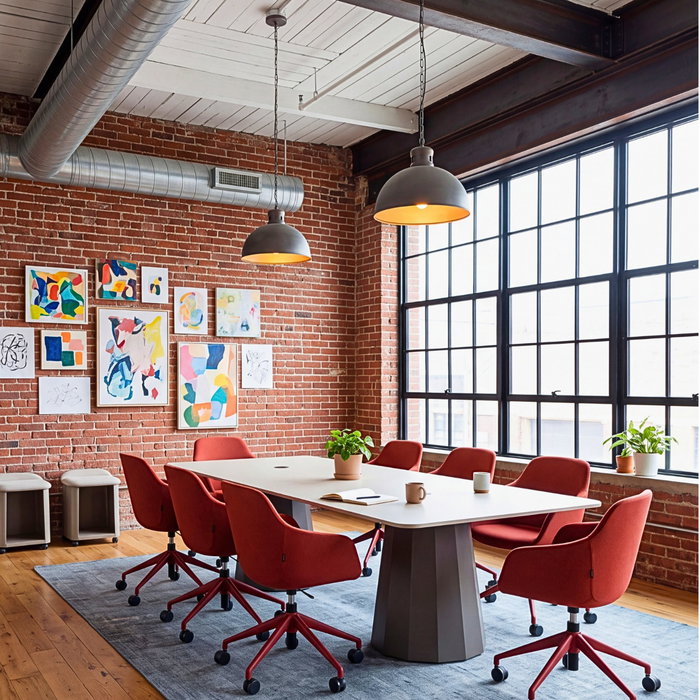
Creativity and open communication are indispensable elements for many modern offices. In areas like advertising agencies, design studios, or marketing departments, leveraging the inspiring and interactive power of colors is important. Warm colors like orange and yellow are suitable for such environments.