







22 June 2026
How to Choose an Office Chair? Ergonomics and Model Guide
First Step When Choosing an Office Chair: Define Your Needs
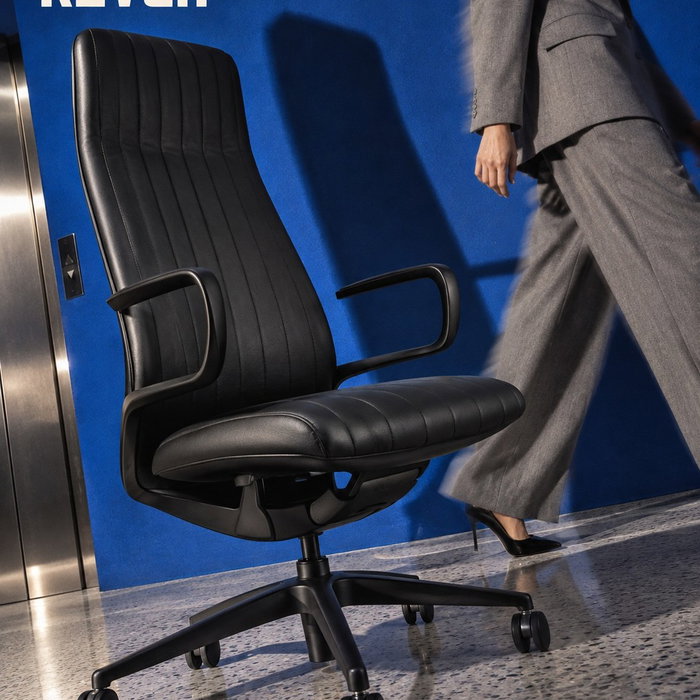
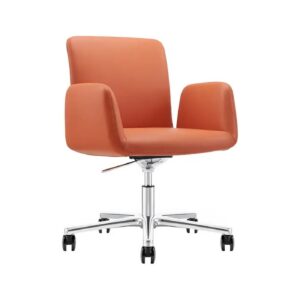
One of the most critical decisions when investing in office furniture is choosing the right office chair. This choice is not just an aesthetic preference, but also a long-term investment in health and productivity. If your daily working hours are 6-8 hours, and you don’t want to deal with back and waist pain, this guide is for you. First, clarify the area where the chair will be used, the physical characteristics of the user, and the nature of the job. For example, a leather-upholstered, high-back model might be suitable for an executive office, while a breathable fabric-covered, mid-back model is more functional for open-plan office workers.
What is Ergonomics and Why is it Indispensable?
Ergonomics is a design philosophy that adapts to the natural movements and posture of the human body. When it comes to an office chair, ergonomics manifests itself in every detail, from lumbar support to armrest height, seat depth to headrest. Proper ergonomic support maintains the natural “S” curve of the spine, reduces pressure on the discs, and supports blood circulation. Especially in the lumbar region, adjustable lumbar support should be able to move within a 5-10 cm range and fit perfectly into the user’s lower back curve. The seat height should be adjustable so that your feet are flat on the floor and your knees form a 90-degree angle (generally between 42-54 cm).
Mechanism and Mobility
The most important factor determining whether a chair is ergonomic is the quality of its mechanism. A synchronized mechanism allows the backrest and seat to move together. This prevents your shirt from getting caught at your waist when you lean back and ensures continuous support. Additionally, a lockable backrest recline angle (generally between 90-130 degrees) and suspension stiffness adjustment (according to your body weight) are essential. The quality of the gas lift used in the chair base is also important; a TUV or BIFMA certified system with an 8-10 cm lifting capacity should be preferred.
Things to Consider When Choosing the Right Model
It’s possible to find hundreds of different models on the market, but not every model is suitable for every body type. Here are the concrete criteria you should consider when choosing a model:
Seating Surface and Depth Adjustment
The seating surface should fully support your thighs but not put pressure behind your knees. The standard seat depth for an office chair is between 45-50 cm. However, if you are short (under 1.60 cm), a depth of 42-44 cm is ideal, and if you are tall (over 1.85 cm), a depth of 50-53 cm is ideal. Some models have seat depth adjustment (sliding mechanism); this feature makes the chair personalized for you. The seat foam should be cold foam or memory foam with a density between 35-45 kg/m³; it will not sag over time.
Backrest Height and Material
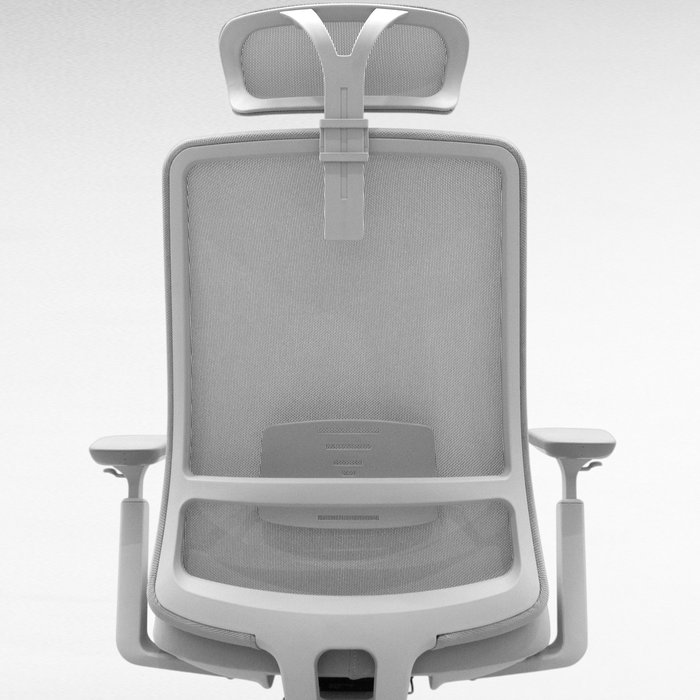
The backrest height should extend up to the user’s shoulder level. Mid-back models (45-55 cm) support the middle of the back and waist, while high-back models (55-65 cm) also offer shoulder and neck support. Mesh (file) fabric backrests prevent sweating in summer by providing air circulation. Fabric-covered models give a warmer feel and are generally more durable. Leather or artificial leather models may look stylish, but they do not breathe during long-term use and can leave a sticky feeling.
Armrest and Headrest Options
Armrests are critical for relaxing shoulder and neck muscles. 3D or 4D adjustable armrests (height, width, depth, and angle) are the most ideal. Armrest height should be adjustable so that your elbows form a 90-degree angle. The headrest provides neck support, especially during breaks or while on the phone. The headrest should be adjustable in height and angle, and it should support the hollow of the neck, not the back of the head.
Material and Workmanship Quality
No matter how well designed an office chair is, its lifespan will be short if the materials used are of poor quality. Metal components (base, mechanism box) should be steel or cast aluminum. Plastic components should be ABS or nylon-based and should not break. Wheels should be suitable for your floor type (soft wheels for carpet, hard wheels for parquet). In our workshop in Ankara, for the models we produce specifically for our customers’ offices, we select the gas lift and foam density according to the user’s height and weight. This way, instead of a standard product, we offer a personalized solution.
Fabric and Upholstery Options
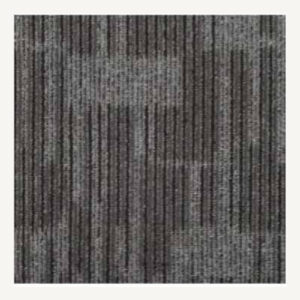
Fabric selection is important for both comfort and aesthetics. In classic offices, dark gray or black fabrics compatible with melamine or MDF lacquer-coated desks are preferred, while in more modern and warm offices, beige, green, or blue toned fabrics compatible with oak or walnut wood decor are popular. The fabric’s abrasion test (Martindale) value should be at least 50,000 cycles. This means 5-7 years of durability in daily use.
Budget and Long-Term Investment
A good office chair can be one of the largest items in your office furniture budget, but it is an investment in your health. Choosing an ergonomic, certified model with a 5-7 year warranty within the 2,000 TL to 15,000 TL price range is more economical than having to buy a new chair every year. Be sure to read the warranty terms; the mechanism, gas lift, and wheels should be covered separately. Also, be careful not to exceed the maximum user weight specified in the user manual (generally 120-150 kg).
Don’t Buy Without Trying
If possible, definitely try the chair. Sit for at least 15-20 minutes, test it in different positions. Feel the lumbar support, adjust the armrests, lean back. If you don’t have the opportunity to visit a physical store, shop from reliable sellers with a return guarantee. Remember, an office chair is not just a piece of furniture, but also a tool that affects your daily work performance and long-term health.
Frequently Asked Questions
How can I check the lumbar support of my office chair?
Sit upright in the chair and lean your back against the backrest. The lumbar support should fully contact the natural inward curve of your lower back (lumbar region). If there is a gap between your lower back and the backrest, the support is insufficient. If there is adjustable lumbar support, adjust its height and depth (generally between 2-4 cm) to suit you. If there is no adjustment and you feel a gap, you can use a small lumbar pillow.
Which fabric type is more durable?
If you are looking for a durable fabric, choose solution-dyed polyester or nylon blend fabrics with a high Martindale value (50,000 cycles and above). These fabrics are resistant to sunlight and abrasion. Mesh fabrics are comfortable because they breathe but can stretch over time. Leather and artificial leather require regular maintenance; they can crack and peel. The most durable option is a densely woven, high-quality fabric upholstery.
I am 1.90 cm tall, what features should an office chair have for me?
For tall users, the most critical features should be a high gas lift (at least 12 cm lift), long seat depth (at least 52 cm), and a high backrest (60 cm and above). Additionally, the armrests should be adjustable in width (at least 5 cm horizontal movement), and the headrest should be able to extend high enough. A sturdy 5-star base (steel or aluminum) helps keep your center of gravity balanced. If standard models don’t suit you, you can opt for companies that offer custom production; in our workshop in Ankara, we frequently meet such custom size requests.
Related: For office chairs and more, browse our Kavela catalogs and collections: office chair models task chairs.