








15 June 2026
Invoice, VAT, and Warranty Process in Corporate Furniture Procurement
Corporate furniture procurement doesn't end with the physical delivery of the product. Managing this process in harmony with your accounting and legal departments prevents future...
Corporate furniture procurement doesn’t end with the physical delivery of the product. Managing this process in harmony with your accounting and legal departments prevents future tax and administrative problems. Issues such as e-Invoice, correct VAT rate, fixed asset registration, and warranty conditions directly affect companies’ financial statements. In this guide, we address the document flow and legal processes to be considered in corporate furniture supply, step by step.
e-Invoice and Digital Document Flow
Under the Tax Procedure Law, e-Invoice is mandatory for taxpayers exceeding a certain turnover. In corporate furniture purchases, it is critical to check whether your supplier is registered with the e-Invoice system. e-Invoice is processed faster than paper invoices and reduces archiving costs. When making a purchase, the invoice must contain the phrase e-Invoice and a note stating that it was issued primarily under VUK Communiqué No. 509. This guarantees the validity of the invoice before the tax office. Ensure that the buyer and seller information (tax office, tax identification number) on the invoice is complete. An incorrect tax identification number can cause problems with VAT deduction.
VAT Rates and Deduction Rights
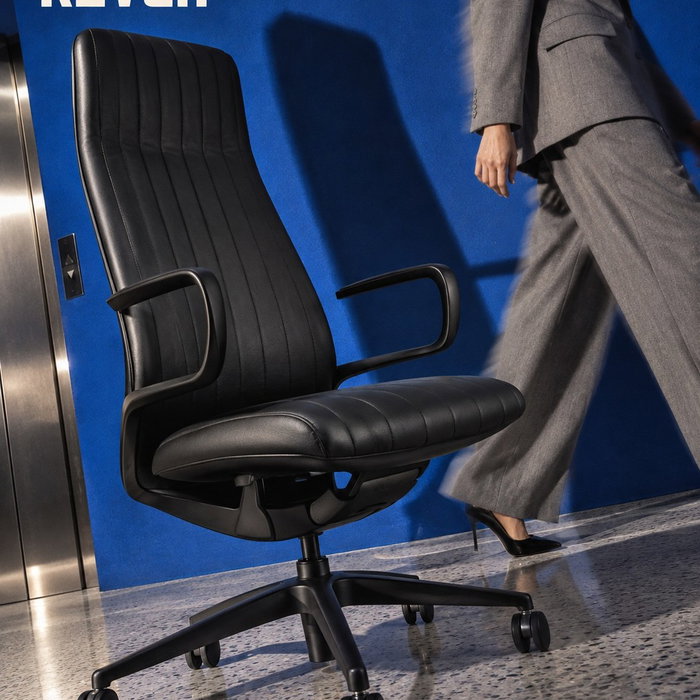
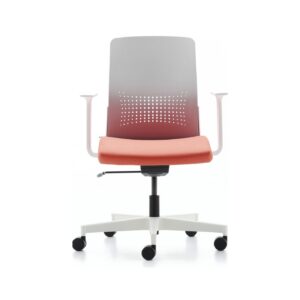
The VAT rate for corporate furniture purchases is generally 20%. However, an exemption or reduced rate may apply to certain product groups. For example, the general rate applies to office furniture. It is mandatory for the VAT to be shown separately on the invoice of the product you purchase for your company to be able to deduct this VAT. To benefit from the deduction right, the invoice must be recorded in the legal ledgers and correctly declared in the VAT declaration. Especially for high-unit-price products like the Elegance Executive Chair, the VAT amount can constitute a significant cash flow item. Therefore, the VAT base and rate on the invoice must be checked.
Fixed Asset Registration and Depreciation Process
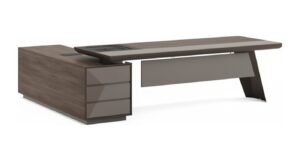
There are two basic criteria for a piece of furniture to be registered as a fixed asset: its useful life must be longer than 1 year and its unit cost must be above the determined limit (for 2025, this limit is 2,000 TL). Every piece of furniture registered as a fixed asset is added to the depreciation schedule. The general depreciation rate for office furniture is 20% (5 years using the straight-line method). For example, when you purchase an X-3 Operational Work System, if the cost of this product is above 2,000 TL, it is capitalized, and 20% depreciation is allocated each year. This process reduces the company’s tax base. To start depreciation calculation, the invoice date and the date the product is ready for use are taken into account. Depreciation begins from the first day of the month following the invoice date.
Warranty Conditions and Documentation
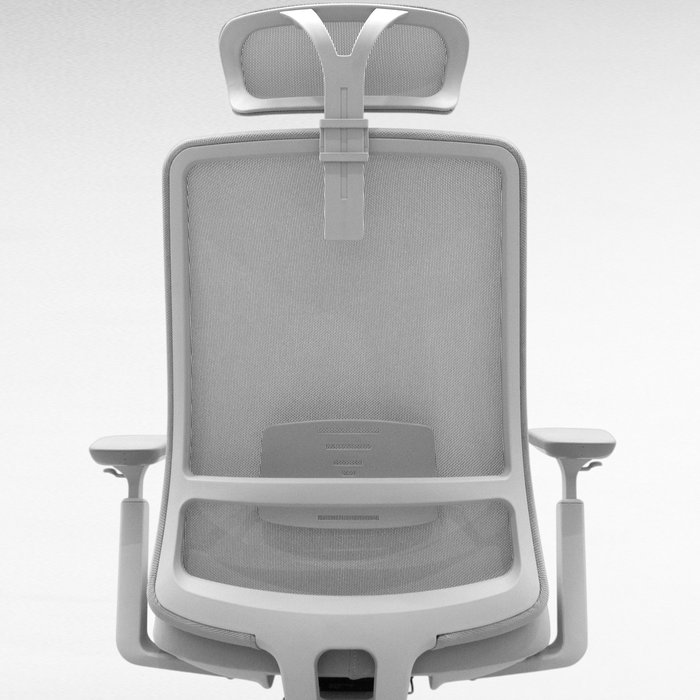
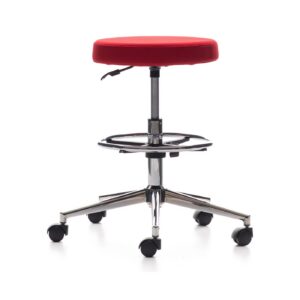
In corporate furniture purchases, the warranty period generally varies between 2 and 5 years. The warranty certificate is an integral part of the invoice and must include the product model, serial number (if any), seller and buyer information, and warranty start and end dates. Situations excluded from warranty coverage (misuse, unauthorized intervention, overloading) are usually clearly defined in the document. For example, in an ergonomic C-Stool Active Stool product, moving parts such as gas springs and wheels are generally guaranteed for 2 years. In case of malfunctions occurring during the warranty period, a service request must be made in writing (e-mail or registered request form) and the invoice must be presented. In case of loss of the warranty certificate, the records of the seller company are taken as basis.
Service Contract and Periodic Maintenance
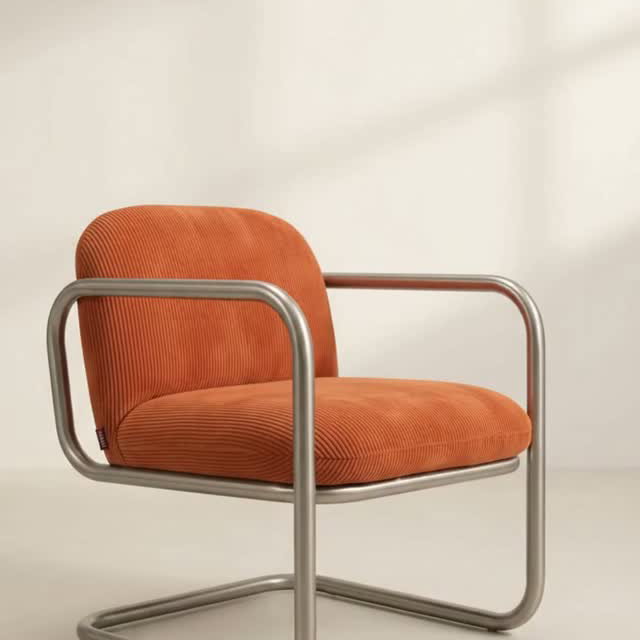
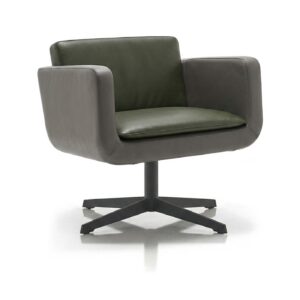
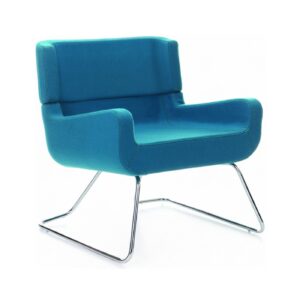
After the warranty period expires, entering into a service contract, especially for furniture in high-use areas, keeps costs under control. In the service contract, items such as the number of annual maintenance visits (generally 2 times), response time (e.g., intervention within 24 hours), and spare parts supply should be clarified. For each maintenance performed under the contract, a service form should be issued, and this form should include the operations performed, materials used, and the date of the next maintenance. Especially for products like the Tux armchair used in meeting rooms, upholstery cleaning and mechanism control are important parts of periodic maintenance. Per-call interventions made without a service contract can be more expensive than the annual contract fee.
Conclusion
The accounting and legal processes of corporate furniture procurement can be managed smoothly with correct document flow and compliance with legal regulations. e-Invoice control, verification of the VAT rate, and fixed asset registration are critical steps for the company to fulfill its tax obligations. A complete warranty certificate and long-term service contracts extend the lifespan of furniture and prevent unexpected costs. Standardizing these processes will reduce the operational burden after procurement.