






14 August 2026
Lacquer, Melamine, Natural Veneer Difference: Which to Choose for Which Furniture
Why is Surface Material Selection Critical? When buying office furniture, the initial focus is often on the frame and fabric selection. However, the longevity of tables, cabinets, and...
Why is Surface Material Selection Critical?
When purchasing office furniture, the initial focus is often on the frame and fabric selection. However, the primary factor determining the longevity of tables, cabinets, and coffee tables is the surface material used. Lacquer, melamine, and natural veneer, while visually similar, exhibit significant differences in technical specifications, maintenance requirements, and costs. Choices made without understanding these differences can lead to rapid deformation, especially in heavily used operational areas. In this guide, we compare these three material types in terms of visual aesthetics, surface hardness, repairability, hygiene, and cost per square meter, providing concrete data on which is the right choice for which space.
Melamine: The Durable Workhorse of Operational Areas
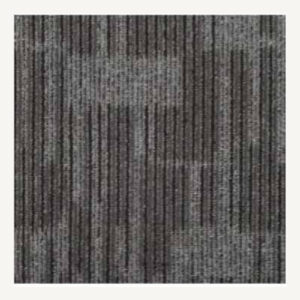
Melamine is produced by bonding resin-impregnated decorative paper onto pressed wood panels (MDF or particle board) using high heat and pressure. Its surface is hard and non-porous, making it highly resistant to scratches and impacts. This high surface hardness is the main reason it is preferred in open-plan offices, meeting rooms, and high-traffic areas.
Technically, melamine surfaces typically achieve a hardness value between 3H and 5H in a standard pencil hardness test. This ensures that even light friction tests with steel wool leave no marks. Furthermore, melamine is quite resistant to moisture if the edge bands of the melamine-coated panel are applied correctly. However, its weakest point is the edge bands; impacts can cause lifting at the edges, which is difficult to repair. Nevertheless, cleaning the surface with water-based cleaning products is much safer compared to lacquer and natural veneer.
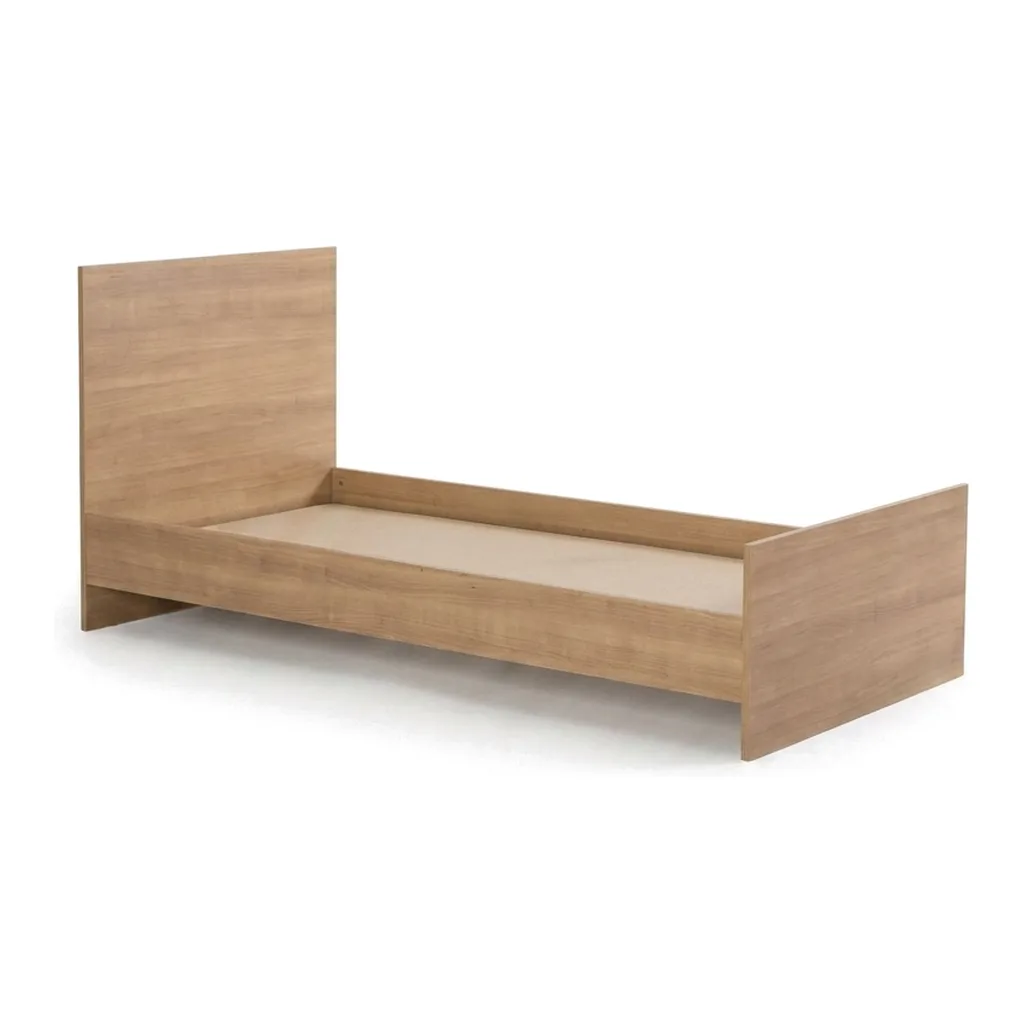
As the most economical option in terms of cost, melamine ranges from an average of 350-600 TL per square meter. This price advantage makes melamine stand out in projects with limited budgets but high durability expectations. For example, melamine-surfaced construction site bed models are ideal for field offices and temporary workspaces due to their impact resistance and easy-to-wipe surface. Similarly, in heavily used meeting tables, melamine surfaces provide superior protection against coffee and tea stains.
Lacquer: The Pinnacle of Aesthetics and Color Depth
Lacquer surfaces are obtained by polishing multiple layers of polyester or polyurethane-based paint applied onto MDF. This process gives the surface a smooth, mirrored appearance. Color options are limitless; any color in the RAL catalog can be applied as lacquer. This grants interior designers significant design freedom, especially in executive offices and showrooms.
The biggest advantage of lacquer surfaces is their visual depth. Their light reflection ratio is approximately 60% higher compared to melamine. This makes the space appear more spacious and luxurious. However, this aesthetic comes with some challenges. Lacquer surfaces are highly sensitive to fingerprints and dust, thus requiring regular maintenance. Furthermore, their surface hardness is lower than melamine, typically between 2H and 3H. This means there is a higher probability of scratching when in contact with sharp objects.
In terms of repairability, lacquer is more advantageous than melamine. Deep scratches or minor impacts on the surface can be covered with touch-up paint on-site. However, this process requires a professional craftsman and is difficult to perform without leaving any traces. The cost per square meter is approximately 3 times that of melamine, ranging from an average of 1,000-1,800 TL. Therefore, lacquer is suitable for executive offices, meeting rooms, and reception areas where visual impact is prioritized and traffic is lower, rather than operational areas exposed to heavy use.
Natural Veneer: A Timeless and Warm Atmosphere
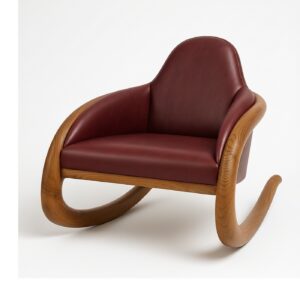
Natural wood veneer is created by bonding a thin layer of wood (ranging from 0.6 mm to 3 mm in thickness) onto MDF or plywood. It is applied in types such as oak, walnut, ash, and maple. Each veneer sheet carries the natural grain pattern of the wood, making every piece of furniture unique. This adds an organic and warm character to the space.
In terms of durability, natural veneer is protected by applied varnish or lacquer. UV-protected varnishes minimize yellowing on surfaces exposed to sunlight. However, its surface hardness is lower than melamine; it is susceptible to scratching. Nevertheless, the biggest advantage of natural veneer is its repairability. Scratches on the surface can be almost completely removed with fine sanding and a new layer of varnish. This process extends the furniture’s lifespan by years and offers a cost-effective solution.
From a hygiene perspective, natural veneer does not have a non-porous structure. Therefore, liquids should not be left on the surface for extended periods. However, this risk is minimized with proper varnishing. The cost per square meter varies between 800-1,500 TL, depending on the wood type. Oak veneer is generally 20% more economical than walnut veneer. Natural veneer is a compatible choice, especially with wood-look beds and classic-lined office furniture. It is an ideal choice for those who want to create a warm atmosphere in executive offices.
Executive Office or Operational Area? The Right Match
The function of the space is the most important factor determining the choice of surface material. Executive offices are areas used for an average of 4-6 hours a day, with low traffic, and intended for hosting guests. In these spaces, visual impact and prestige are paramount. Lacquer surfaces meet this expectation with their bright and deep colors. Especially when applied in dark tones, lacquer adds a serious ambiance to the space. Natural veneer is also a strong alternative for executive offices; particularly walnut veneer, which projects a classic and trustworthy image. Modern-lined executive desks like Silver, when combined with lacquer surfaces, exhibit a minimalist and assertive stance.
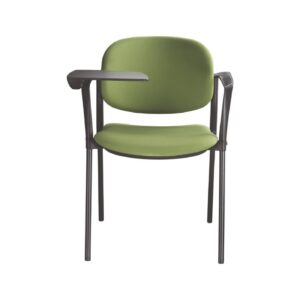
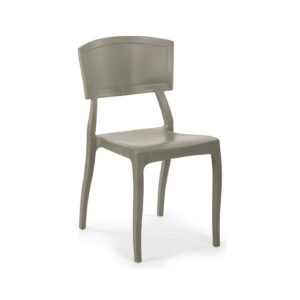
Operational areas, on the other hand, are regions actively used for 8-10 hours a day, with constant movement. Call centers, accounting departments, and open-plan office floors fall into this group. In these areas, the surface must be resistant to scratches, impacts, and stains. Melamine surfaces meet this need in the most economical way. Furthermore, melamine can be produced with antibacterial surface coatings, which is a critical advantage for the healthcare sector and food businesses with high hygiene sensitivity. In addition to multi-purpose chairs like X-3, melamine-coated tables are indispensable for operational areas.
Another important point is mobile furniture. Chairs with wheels that constantly change position, like Slima, apply friction to table surfaces. In such cases, lacquer surfaces can dull over time; melamine, however, withstands this friction for much longer. Therefore, melamine surfaces should be the primary choice for workstations where wheeled chairs are used.
Maintenance, Hygiene, and Longevity: Comparative Table
Comparing the three material types makes it easier to make the right choice. To maintain the shine of lacquer surfaces, a microfiber cloth and glass cleaner should be used weekly. Alcohol-based cleaners can cause permanent dullness on lacquer surfaces; therefore, they should not be used. Melamine, on the other hand, can be easily wiped with water-based cleaning products; even abrasive sponges do not damage the surface. For natural veneer, re-polishing once a year is recommended; this process extends the surface’s lifespan by 50%.
From a hygiene perspective, melamine is the material with the lowest risk of harboring bacteria due to its non-porous structure. Lacquer also has a similar advantage; however, when scratches occur, these scratches can become a breeding ground for bacteria. Natural veneer, due to its porous structure, requires regular disinfection, which adds an extra burden in terms of time and cost.
Regarding the longevity criterion, with proper maintenance, natural veneer can last 15-20 years, while melamine offers 10-15 years, and lacquer 8-12 years. However, replacing melamine at the end of this period is much more economical than the others. In light of this data, your project’s budget and expected usage duration should be decisive in material selection.
Conclusion
The choice between lacquer, melamine, and natural veneer is directly related to the function of the space, usage intensity, and budget dynamics. For operational areas and high-traffic zones, melamine is the most rational option due to its surface hardness, ease of hygiene, and economical cost. For executive offices and prestige areas, lacquer stands out with its visual depth and color variety, while natural veneer is ideal for those seeking a long-term investment with its timeless aesthetic and repairability. When making a decision, it is important to consider not only the initial appearance but also the condition of the furniture 10 years later. The correct surface selection is a strategic decision that directly affects both the functionality of the space and the brand image.