










6 April 2026
Latest Trends in Meeting Room Design 2024-2025
As the dynamics of the business world constantly change, the role of meeting rooms is also being reshaped. There's an evolution from traditional and static spaces to modern, flexible, and technology-equipped areas that support collaboration, creativity, and productivity. The prominent trends in meeting room design for 2024 and 2025 focus not only on aesthetics but also on user experience, sustainability, and adaptability. This article explores the latest approaches shaping the meeting rooms of the future.
Quick Answer: Meeting room design trends for 2024-2025 prioritize hybrid work compatibility, advanced technology integration, biophilic design, flexible modular furniture, and sustainability.
Today’s business world has entered an era built on flexibility, collaboration, and adaptation. This change profoundly affects the design of office environments, especially meeting rooms. Meeting rooms are no longer just a table and chairs; they have become dynamic centers where strategic decisions are made, creative ideas blossom, and effective communication is ensured. The prominent trends in meeting room design for 2024-2025 respond to these new needs, aiming to increase productivity and employee satisfaction. In this article, we will explore the latest approaches and innovative solutions shaping the meeting rooms of the future, offering insights for those interested in ‘turkey office furniture’ and ‘ergonomic office design’.
Flexible Meeting Spaces for Hybrid Work Arrangements
With the hybrid work model becoming permanent, meeting rooms need to seamlessly support both physical and remote participation. This increases the importance of modular furniture, portable dividers, and easily reconfigurable spaces. ‘Huddle rooms’ for small, focused group work and large, multi-purpose rooms for big presentations are considered together. Flexible arrangements offer the ability to quickly adapt to different meeting types, maximizing space efficiency, a key aspect of modern ‘ergonomic office design’.
Technology Integration: Smart Systems and Connectivity Solutions
2024-2025 meeting room trends center on the integration of technology into design. High-resolution screens, wireless presentation systems, smart whiteboards, and AI-powered camera systems ensure that remote participants are fully included in meetings. Automations like room reservation systems, smart lighting, and climate control improve user experience while also providing energy efficiency. Seamless, reliable, and easy-to-use technological infrastructure is becoming indispensable for efficient meetings, a hallmark of advanced ‘turkey office furniture’ setups.
Infrastructure for Seamless Connectivity
The success of technological integration depends on a robust network infrastructure. High-speed internet connection, sufficient power outlets, and cable management solutions are vital for uninterrupted meetings. Hidden cabling systems enhance functionality without compromising aesthetic appeal.
Image: Meeting room equipped with smart technology
The Rise of Biophilic Design: Bringing Nature Indoors
The need to connect with nature in work environments is bringing biophilic design into meeting rooms. Plants, natural wood textures, stone surfaces, and the use of natural light add a calm, peaceful, and creativity-promoting atmosphere to meeting rooms. Biophilic design has been scientifically proven to reduce stress, increase focus, and support overall well-being. Vertical gardens or large potted plants add visual appeal to meeting rooms while also purifying the air, a growing trend in ‘turkey office furniture’ and ‘home office ideas’.
Modular and Multifunctional Furniture Options
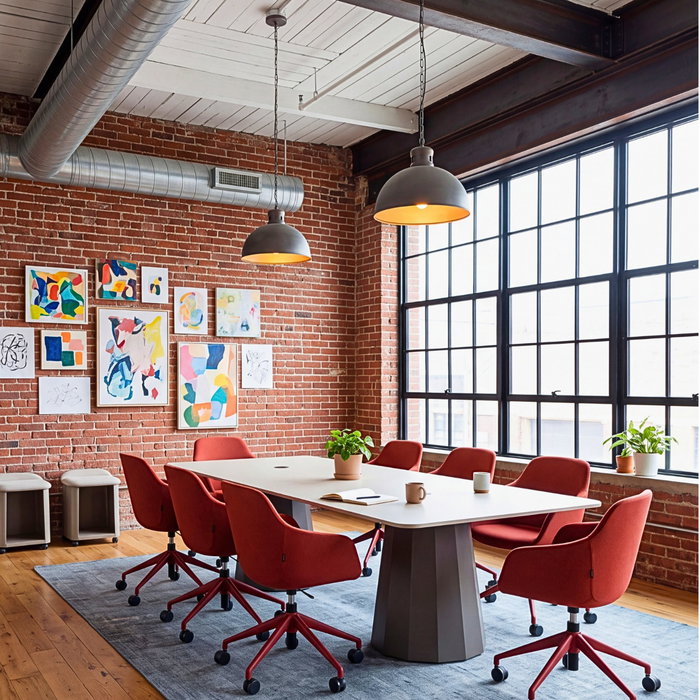
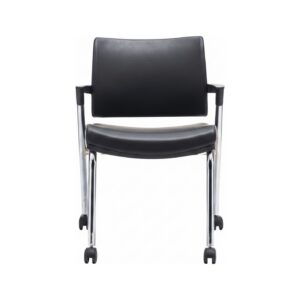
Fixed and bulky furniture is being replaced by modular pieces that can be easily moved, combined, or separated. Wheeled tables, stackable chairs, and easily convertible seating groups allow meeting rooms to adapt instantly to different scenarios. This flexibility not only optimizes physical space but also supports different working styles and levels of collaboration, a key feature in modern ‘turkey office furniture’.
“The meeting rooms of the future are more than just spaces; they are human-centered experience areas that can adapt to changing business needs and are integrated with technology.”
Sustainability and Eco-Friendly Materials
Environmental responsibility is one of the cornerstones of 2024-2025 meeting room trends. Materials sourced from recycled or sustainable resources, low VOC (volatile organic compound) paints and coatings, energy-efficient lighting systems, and water-saving fixtures are preferred. Sustainable design is important not only for the planet but also for creating a healthy work environment. This approach also allows companies to reflect their corporate social responsibility.
Acoustic Improvements and Sound Comfort
Efficient meetings are impossible without good acoustics.