













4 April 2026
Meeting Room Lighting: How to Choose the Right Light for Productive Decisions?
The meeting room is a critical area where important company decisions are made, ideas are shared, and collaborations are forged. Therefore, meeting room lighting is not just an aesthetic element but a strategic factor that directly impacts participants' focus, energy levels, and overall mood. While incorrect lighting can lead to fatigue, distraction, and even headaches, the right lighting encourages creativity, strengthens communication, and increases productivity, a vital consideration for 'ergonomic office design' and 'turkey office furniture' planning.
Quick Answer: Productive meeting room lighting should include a balanced combination of natural and artificial light, adjustable color temperature (3500K-5000K ideal), and flexible lighting scenarios for different tasks. This increases focus and reduces fatigue.
Meeting rooms are the heart of the modern business world. These spaces, where strategic decisions are made, creative ideas blossom, and collaborations are strengthened, are a reflection of company culture and productivity. However, the success of a meeting room is not limited to furniture selection or technological infrastructure. One often-overlooked yet highly impactful factor is meeting room lighting. The right lighting can directly affect participants’ mood, attention levels, and even decision-making processes. While insufficient or poorly positioned lighting can lead to eye strain, headaches, and general reluctance, a well-designed lighting system encourages creativity, facilitates communication, and increases the efficiency of meetings. In this comprehensive guide, you will discover ideal lighting solutions for your meeting room and tips to ensure productive decisions, crucial for any ‘ergonomic office design’ or ‘turkey office furniture’ project.
The Impact of Meeting Room Lighting on Productivity
Lighting is much more than just a tool that allows us to see; it has profound effects on human biology and psychology. In areas requiring high concentration, such as meeting rooms, the quality of lighting directly impacts productivity. Incorrect lighting can disrupt circadian rhythms, leading to sleeplessness, low energy, and concentration problems. For example, a too-dim environment can induce drowsiness, while overly bright and cool light can cause tension and eye strain. On the other hand, a balanced and adjustable lighting system keeps participants alert, energetic, and motivated. Color temperature and brightness settings allow the environment to be optimized for different types of meetings (brainstorming, presentations, decision-making), ensuring maximum efficiency from every meeting. This is a key aspect of ‘ergonomic office design’.
Correct Lighting Types: General, Task, and Accent Lighting
An effective meeting room lighting design typically involves a balanced combination of three main lighting layers: general lighting, task lighting, and accent lighting. Each of these layers serves different needs of the room and together create a harmonious environment. When selecting ‘turkey office furniture’ for meeting rooms, consider how it integrates with these lighting types.
General Lighting: Homogeneous Light Distribution
General lighting is the primary layer that provides an even and sufficient amount of light throughout the entire room. Ceiling fixtures, recessed spotlights, or panels fall into this category. Its purpose is to ensure the room is generally well-lit and to minimize shadows. In meeting rooms, homogeneous general lighting allows participants to see comfortably and take notes from any point. Low-brightness, diffused light fixtures prevent glare, increasing comfort.
Task Lighting: Tables and Presentation Areas
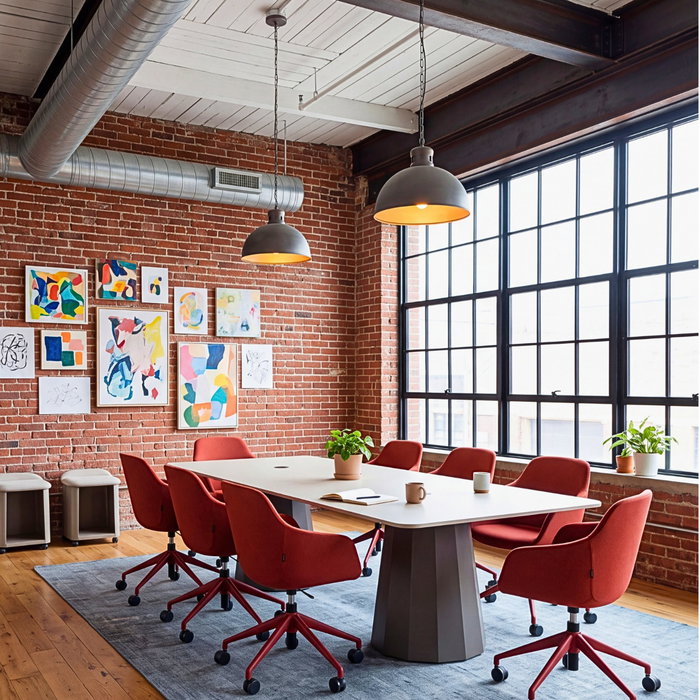
Task lighting is used to illuminate specific work areas or tasks. In meeting rooms, this typically includes lighting above the meeting table and focal points like presentation screens or whiteboards. Pendant lamps or linear lighting above the table make it easier for participants to read documents, take notes, or work on their laptops. Adjustable spotlights in the presentation area ensure the speaker and visual materials are clearly visible. This type of lighting increases focus and helps in perceiving fine details. ‘Turkey office furniture’ for meeting tables often includes integrated task lighting options.
Accent Lighting: Creating Atmosphere
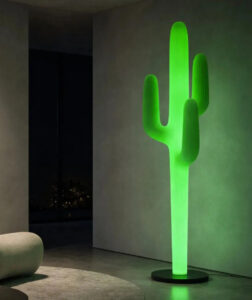
Accent lighting highlights specific architectural features, artworks, or wall panels, adding depth and character to the room. In meeting rooms, this can be used to elevate the overall aesthetic and create a more inviting atmosphere. Wall sconces, hidden LED strips, or floor lamps can create a soft glow along the edges of the room or at specific points, offering a more relaxed environment before or after meetings. This layer provides flexibility for different moods by changing the room’s dynamics.
Color Temperature (Kelvin) and Mood Relationship
The color temperature of light, measured in Kelvin (K), has a significant impact on human psychology. Choosing the correct color temperature in meeting room lighting directly affects participants’ mood and concentration levels.
Cool White Light (5000K+)
Color temperatures of 5000 Kelvin and above represent cool white or daylight tones, which are closest to natural sunlight. This light is known for its alertness and concentration-enhancing effects. It can be suitable for intense brainstorming sessions or high-energy meetings. However, prolonged exposure may lead to eye strain or tension.
Neutral White Light (3500K-5000K)
Neutral white light tones between 3500 Kelvin and 5000 Kelvin offer an ideal balance for most meeting rooms. This range supports alertness while also creating a comfortable atmosphere. It improves the readability of documents.