





13 July 2026
Office Cafeteria and Break Area Furniture
Office Cafeteria and Break Area Furniture: The Fifth Space Where Employees Escape from the Office In modern office design, the era when employees were only productive at their desks...
Office Cafeteria and Break Area Furniture: The Fifth Space Where Employees Escape from the Office
In modern office design, the era when employees were only productive at their desks is long gone. Today, offices are shaped by balancing areas for focus, collaboration, and socialization. This is precisely where cafeteria and break area furniture comes into play, combining the durability standards of the HORECA (Hotel-Restaurant-Cafe) sector with office comfort. These areas have become the fifth space where employees escape during lunch breaks, brainstorm over coffee, or simply take five minutes to breathe. So, which product groups should you focus on when furnishing these spaces?
Durability and Aesthetic Balance in Table Selection
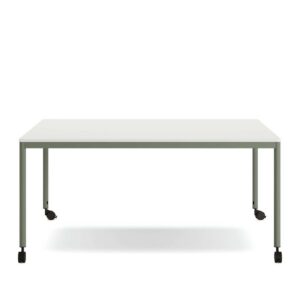
Cafeteria tables are among the most heavily used surfaces within an office. Wiped multiple times a day, subjected to hot beverages, and sometimes supporting laptops, the material quality of these tables is critically important. Unlike standard office desks, models used in these areas must comply with HORECA standards. For example, a 120×80 cm Slide table, with a steel leg structure capable of supporting up to 80 kg of static load and a 25 mm thick melamine-coated surface, is ideal for both in-office cafeterias and dining halls. The laminated surface is resistant to acetone-based cleaners and temperatures up to 80°C.
For use by larger groups, the Werzalit dining hall table stands out. Werzalit technology is produced by pressing resin-impregnated papers under high pressure and heat. This creates a 100% waterproof barrier on the table surface against moisture and bacterial growth. A model measuring 180×80 cm offers comfortable seating for up to 8 people, while weighing only around 35 kg. This ensures easy portability when rearranging the space.
Comfort and Hygiene in Seating Elements
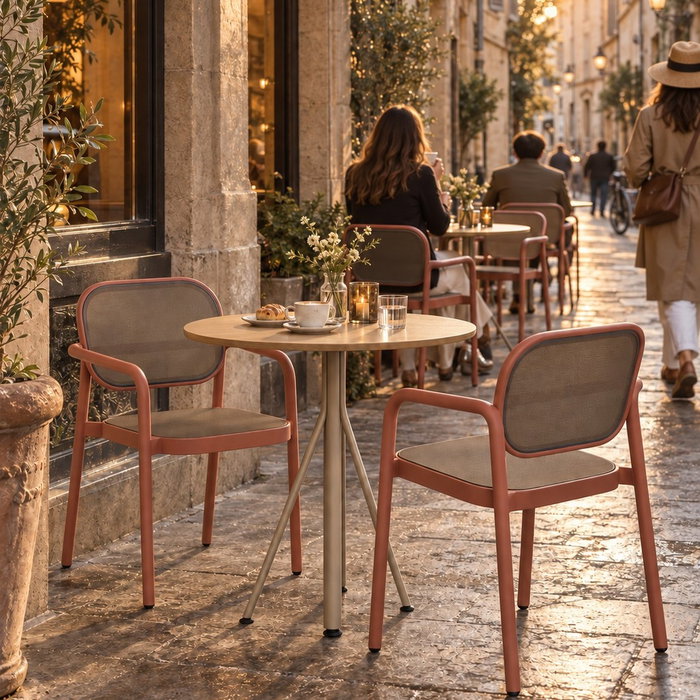
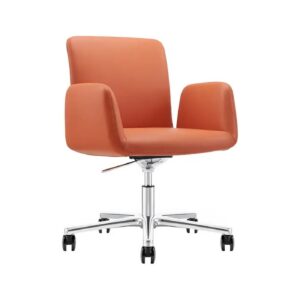
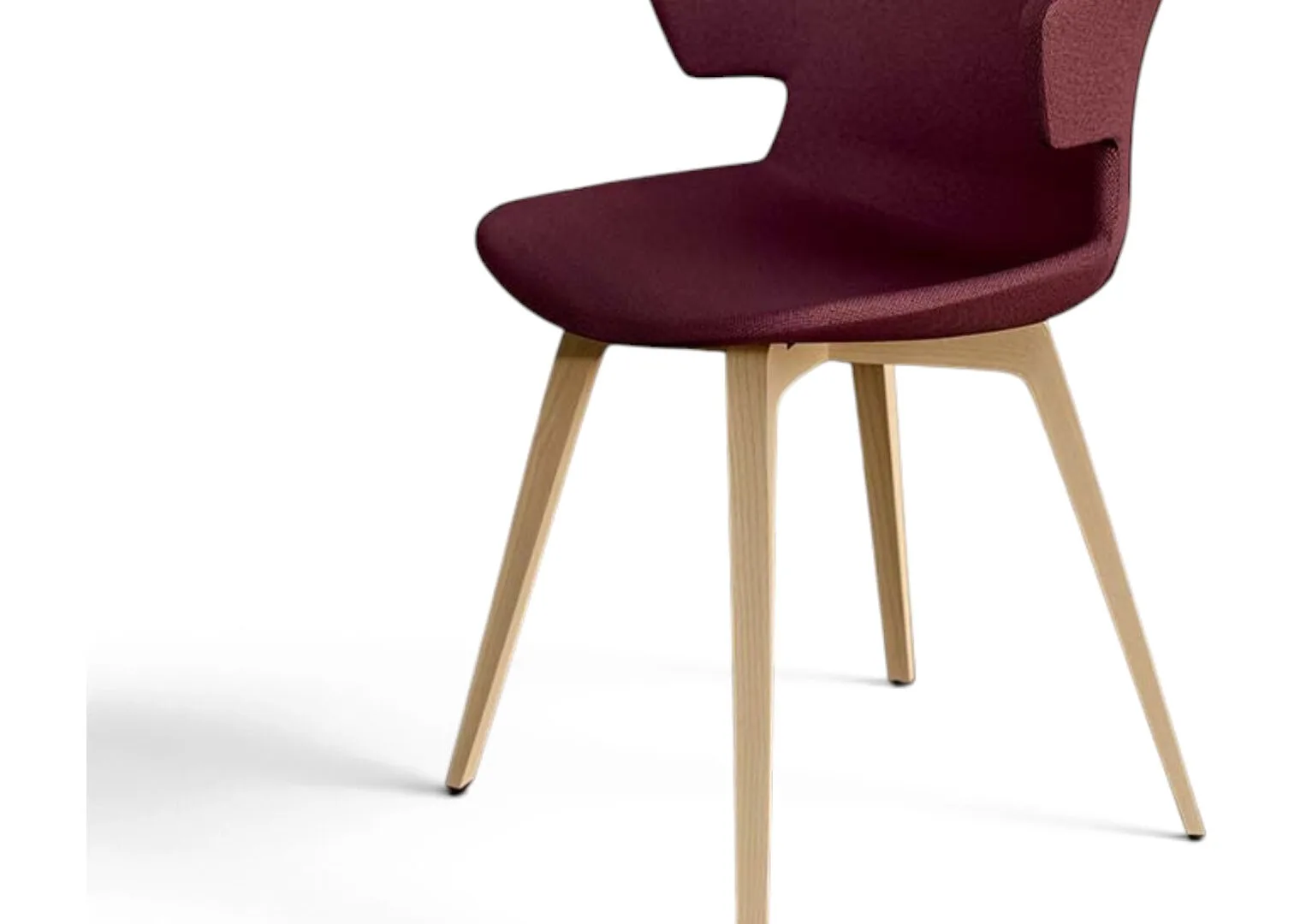
Cafeteria chairs are products where employees spend an average of 30-45 minutes a day. While this time can be spent comfortably in an ergonomic chair, a wrong choice can lead to back and waist pain. The most important criterion to consider for a dining hall chair produced for office use is the seat height. For a standard table height of 74 cm, the ideal seat height is in the range of 45-47 cm.
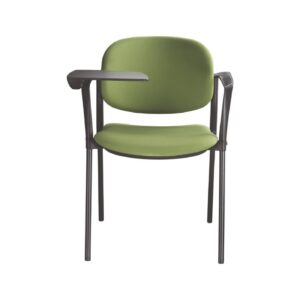
In this context, the Cove chair stands out with its 46 cm seat height and 4 cm thick cold foam sponge. Its fabric upholstery is resistant to 45,000 Martindale abrasion tests, meaning it can be used without deformation for approximately 5 years with 8 hours of intensive daily use. Furthermore, the ergonomic curve in the backrest supports the lumbar region, increasing comfort during prolonged sitting.
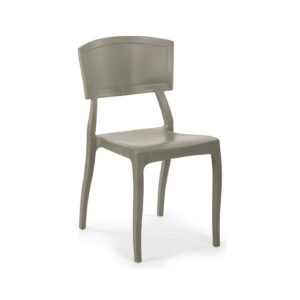
For those seeking a more economical and easy-to-clean solution, the dining hall chair is ideal. Thanks to its polypropylene monoblock body, it is waterproof and tested for robustness against the pushing force of a 20 kg adult. The stackable nature of the chairs provides up to 60% savings in storage space.
Bar Stools: Solutions for High Contact Points
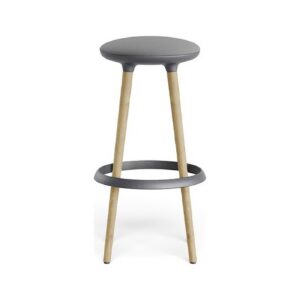
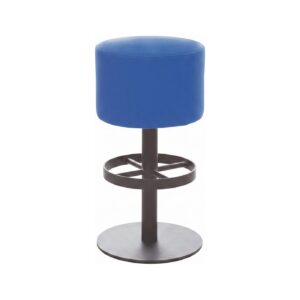
Bar-type high tables, increasingly popular in office cafeterias, are ideal for short standing meetings or quick coffee breaks. The height of bar stools used in these areas should be adjusted according to the table height. For a standard bar table (105-110 cm), stools with a seat height of 75-80 cm should be preferred.
In products within this category, details such as footrests and backrests determine comfort. For example, on a steel-framed bar stool, the footrest height should be between 25-30 cm from the floor. This prevents legs from dangling, easing blood circulation. Additionally, non-slip rubber bands on the bottom of the stools prevent slipping on ceramic or wooden floors, increasing safety.
Mini Lounge Corners: Soft Transitions and Acoustic Solutions
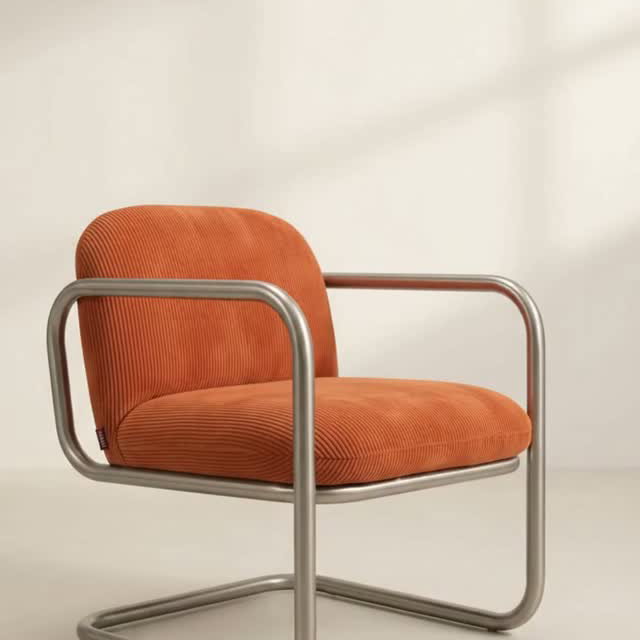
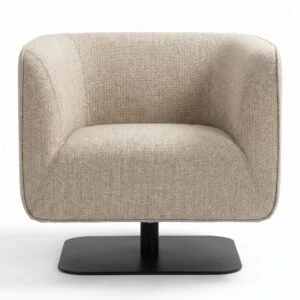
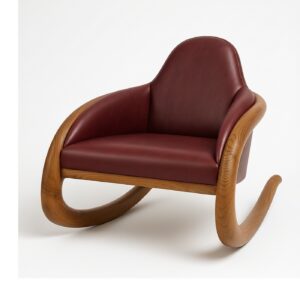
A mini lounge area created in a corner of the cafeteria space offers employees a relaxed, informal environment. Armchairs used in these areas should both create a visual accent and contribute to acoustic performance. The Baron armchair, with its 75 cm wide seating area and 85 cm back height, creates a single-person relaxation space. Its fabric upholstery acts as an acoustic panel with a sound absorption coefficient of 0.45, which helps reduce noise levels in open-plan offices by 3-4 dB.
For larger seating groups, modular sofa systems can be considered. In these systems, 2-3 person modules can be combined to create different seating arrangements. The foam density of the seats should be at least 35 kg/m³ so that they do not lose their shape over the years. Furthermore, the stain-resistant property of the fabrics (Teflon or Scotchgard coating) provides a significant advantage for hygiene in an office environment.
Conclusion
Office cafeteria and break areas are strategic spaces that directly impact employee productivity and satisfaction. When furnishing these areas, referencing HORECA standards is a wise investment for both durability and comfort in the long run. With the right material selection (Werzalit, polypropylene, cold foam) and ergonomic measurements (seat height, back angle), you can create a suitable fifth space for your office. Remember, an environment where employees feel valued is also a cornerstone of company culture.