






20 July 2026
Office Carpet Selection: Carpet Tile Acoustic Benefits and Maintenance
Carpet Tile vs. Broadloom Carpet Comparison in Office Carpet Selection When choosing office floor covering, the most critical decision is between carpet tile and broadloom carpet. Broadloom...
Carpet Tile and Broadloom Carpet Comparison in Office Carpet Selection
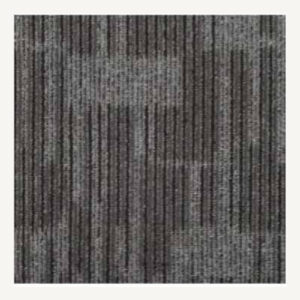
When choosing office floor covering, the most critical decision is between carpet tile and broadloom carpet. Broadloom carpets are generally sold in rolls 2 m or 4 m wide and 25-35 m long, offering a seamless surface. In contrast, carpet tiles are typically produced in sizes of 50×50 cm or 60×60 cm, with a thickness of 5-8 mm. The biggest advantage of carpet tile is its modular structure: when a 50×50 cm tile is damaged, a single piece can be replaced without removing the entire floor. Additionally, carpet tiles can be lifted and reinstalled within 5-10 minutes when access to underfloor cabling is required. Broadloom carpet provides a seamless look, but a stain or burn in a 15-20 m² area can lead to the replacement of the entire room’s carpet.
Acoustic Absorbing Property: How Effective is Carpet Tile in Sound Insulation?
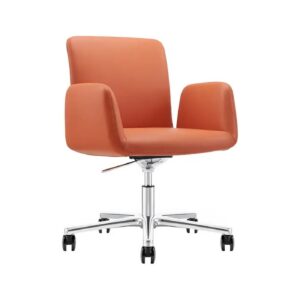
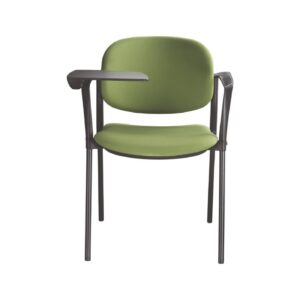
In offices, acoustic comfort directly impacts employee productivity. Carpet tiles absorb sound waves thanks to their polyester or polypropylene fiber structure. An 8 mm thick carpet tile can achieve an NRC (Noise Reduction Coefficient) value of 0.45-0.55 in the 1000-4000 Hz frequency range. This value means approximately 10 times better sound absorption compared to a concrete floor’s 0.05 NRC value. While broadloom carpets also offer similar NRC values, the 1-2 mm gaps at the joints of carpet tiles can reduce sound insulation by 5-10%. To compensate for this, the use of an underlay is recommended: a 6 mm thick polyurethane underlay can increase the NRC value to 0.60. In open-plan offices, carpet tiles, which provide a 20-25 decibel sound reduction per 100 m² area, have been observed to increase employees’ focus time by 15-20% when used with ergonomic office chairs like Omnia.
Impact Sound Insulation and Impact Classification
Impact sound is structural vibration caused by footsteps or falling objects. Carpet tiles are measured by their IIC (Impact Insulation Class) value. While a standard carpet tile offers an IIC value between 50-60, carpet tiles with a 10 mm thick acoustic underlay can reach IIC 70. For comparison: a bare concrete floor has an IIC value of 30-35. In open-plan offices, impact sounds above 35 dB cause discomfort; carpet tile can reduce this sound by 15-20 dB, bringing it down to a 20 dB level. This value is considered compliant with international office acoustic standards (ISO 11654).
Carpet Tile Classification: 32, 33 and 34 Usage Areas
Carpet classification is done according to the EN 1307 standard and indicates usage intensity. Class 32 (medium intensity): suitable for meeting rooms of 5-10 people or executive offices. Carpets in this class are resistant to 25,000-30,000 cycles/revolutions. Class 33 (high intensity): used in open-plan offices for 50-100 people; offers 40,000-50,000 cycles of durability. Class 34 (very high intensity): for corridors, reception areas, and high-traffic zones with 100+ people; provides durability over 60,000 cycles. For example, in a 200 m² open-plan office, Class 34 would be preferred for the corridor area, while Class 33 might be sufficient for workstations. Incorrect class selection leads to 30-40% fiber wear and color fading within 2-3 years.
Stain Removal and Antibacterial Coating
Office carpets are most exposed to coffee, tea, ink, and food stains. Most carpet tiles are produced with a stain-resistant fluorocarbon coating. This coating allows liquids to bead on the fiber surface, and if intervened within 30 seconds, the stain will not become permanent. For example, in the case of a 200 ml coffee spill, 95% of the stain can be removed by blotting with absorbent paper. Antibacterial coating, on the other hand, contains silver ion (Ag+) or zinc-based compounds. This coating prevents the proliferation of bacteria such as Staphylococcus aureus and Escherichia coli on the surface by 99.9% within 24 hours. The use of antibacterial carpets in offices, especially in dining areas and patient waiting rooms, reduces the risk of infection by 30-40%. For stain removal, pH-neutral (6.5-7.5) cleaners are recommended; acidic or alkaline cleaners can damage the coating within 2-3 washes.
Carpet Tile Maintenance: Daily, Weekly, and Annual Routines
The lifespan of carpet tiles is between 10-15 years, but regular maintenance can extend this period to 20 years. Daily maintenance: vacuum cleaning for 1 hour per 300-400 m² area is sufficient. HEPA-filtered vacuums retain 99.97% of particles as small as 0.3 microns. Weekly maintenance: deep cleaning is performed with a brush machine 45-60 cm wide; this process takes 2-3 hours in a 200 m² office. Annual maintenance: done by steam cleaning or extraction method. Extraction sprays water and chemical at 80°C onto the carpet and vacuums it back; this process consumes 4-5 liters of water per 100 m² and has a drying time of 6-8 hours. For spot stain removal: apply a 1:10 mixture of water and white vinegar to the stain, let it sit for 5 minutes, then blot with an absorbent cloth. Never scrub; this will abrade the fibers and spread the stain.
Replaceability and Modular Advantage
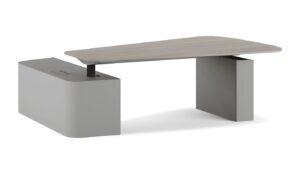
The strongest aspect of carpet tile is the ease of replacing a damaged piece. A 50×50 cm tile can be removed and replaced with a new one within 5-10 minutes. This is especially important in areas under office furniture. For example, wear that occurs after 2 years under a Space executive desk can be resolved by replacing 1 tile without removing the entire floor. In broadloom carpet, the same damage would require completely emptying the furniture and re-carpeting a 20-30 m² area. Furthermore, carpet tiles can be reused at an 80% rate during office restructuring; pieces can be moved to different areas. This saves 2,000-3,000 TL in renovations carried out every 3-5 years in a 500 m² office.
Conclusion
In office carpet selection, carpet tile offers significant advantages over broadloom carpet in terms of acoustic performance and ease of maintenance. The 32/33/34 classification ensures the selection of the correct product according to usage intensity, while antibacterial coating and stain-resistant surface elevate hygiene standards. The modular structure of carpet tile reduces long-term replacement costs and provides flexibility in office arrangements. With the right class and maintenance routine, a carpet tile can maintain your office’s acoustic comfort for 15-20 years.