







4 April 2026
Office Chair Casters: Selection Guide by Floor Type and Usage
Office chair casters are a critical detail for the comfort of your workspace and the health of your flooring. Choosing the right casters prevents scratches on your floor and ensures smooth movement of your chair. This comprehensive guide explains in detail which caster type is ideal for different floor types (carpet, hardwood, laminate, etc.) and usage needs (intensity, special requirements). Discover caster selection tips and common mistakes for a long-lasting and efficient office experience, essential for anyone purchasing 'turkey office furniture' or designing an 'ergonomic office design'.
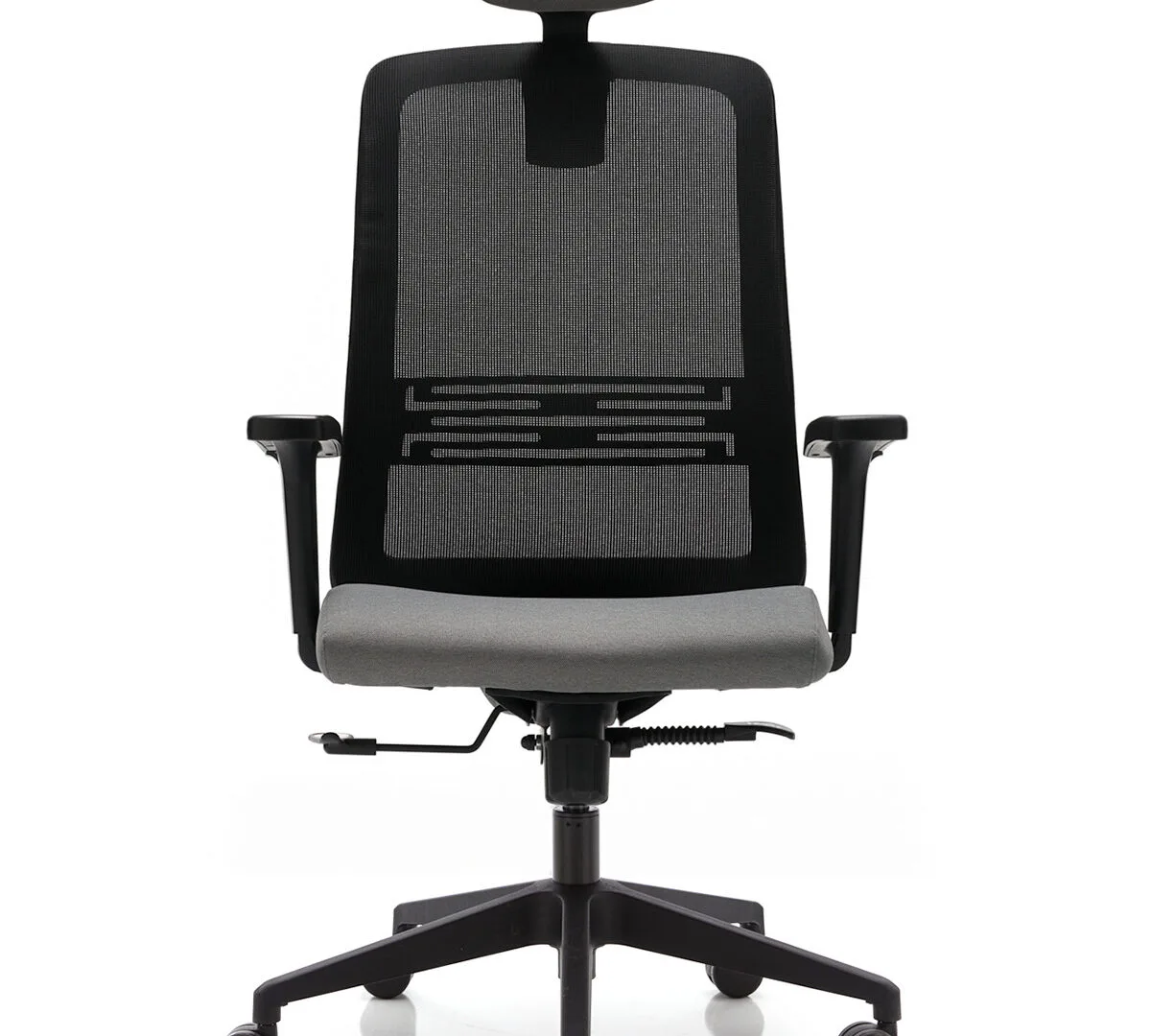
Quick Answer: Office chair casters should be chosen based on the floor type (soft casters for hard floors, hard casters for carpet) and usage intensity. This ensures both floor protection and smooth chair movement.
The long hours spent in modern offices and home offices increase the importance of every detail of the furniture we use. One such detail, often overlooked but critical for comfort, productivity, and floor health, is office chair casters. A wrongly chosen set of casters can scratch hardwood floors, get stuck on carpets, or restrict your chair’s mobility, disrupting your workflow. However, the right casters protect your floor surface and allow your chair to move smoothly and effortlessly, contributing to an ergonomic work environment. This comprehensive guide will help you choose the most suitable office chair casters for different floor types and usage habits, a crucial consideration when buying ‘turkey office furniture’ or implementing an ‘ergonomic office design’.
Why Are Office Chair Casters So Important?
Although office chair casters may seem like just a small part of a chair, they are actually a fundamental component that directly affects the quality of your work experience. The right casters optimize friction with your floor, allowing your chair to move easily, which enables you to be more dynamic and flexible in your workspace. Especially during long working hours, being able to move comfortably with your chair instead of staying in a fixed position reduces physical fatigue and increases work efficiency. Furthermore, floor scratches or wear caused by incorrect casters can lead to significant costs, especially on valuable hardwood or laminate floors. Therefore, caster selection is of great importance not only for comfort but also for the protection of your property. This is a key detail often considered in ‘ergonomic office design’.
Caster Selection for Different Floor Types
The selection of office chair casters should be made according to the floor type of your office or home office. Each floor type requires different caster materials and structures. The wrong combination can both damage the floor and restrict the chair’s mobility. Here is a caster selection guide for major floor types:
Casters for Hard Floors (Hardwood, Laminate, Tile)
Hard floors such as hardwood, laminate, tile, marble, or concrete are susceptible to scratches and wear. For these types of floors, soft casters are generally preferred. Polyurethane (PU) or rubber-coated casters provide better grip on hard floors, prevent slipping, and most importantly, offer silent movement without scratching the floor. These casters create a wider contact area on the surface, distributing pressure and minimizing the risk of floor damage. Additionally, such casters provide a quieter working experience on hard surfaces, which is a great advantage especially in office environments or home offices where silence is important. Many ‘turkey office furniture’ suppliers offer chairs with these soft casters as standard.
Casters for Carpeted Floors
Carpeted floors, unlike hard floors, have a structure where casters tend to get caught in the carpet fibers. Therefore, for carpeted floors, casters made of harder materials, typically nylon or hard plastic, are ideal. Hard casters slide more easily between carpet fibers and prevent snagging. Small, twin-wheel designs can also perform better on carpets. However, for very dense or long-pile carpets, using a floor protector mat might be the best solution to prevent casters from sinking completely and to ensure better mobility. This is a common consideration in ‘ergonomic office design’ for carpeted spaces.
Casters for Concrete and Industrial Floors
While concrete, epoxy-coated, or other industrial floors are generally more durable, it’s important that the casters used on them are long-lasting and do not damage the floor. For these types of floors, harder and more durable nylon casters can generally be preferred. However, depending on the roughness of the floor, wider-surfaced or specially coated casters may also be considered. In environments where there is a risk of exposure to abrasive substances or chemicals, special chemical-resistant casters may be necessary.
| Floor Type | Recommended Caster Type | Advantages | Considerations |
|---|---|---|---|
| Hardwood, Laminate, Tile | Soft (PU, Rubber Coated) | Doesn’t scratch floor, quiet, good grip | Can get stuck on carpet |
| Carpet | Hard (Nylon, Hard Plastic) | Easy movement between carpet fibers | Noisy on hard floors, can scratch |
| Concrete, Industrial | Hard Nylon, Specially Coated | Durable, abrasion-resistant | Floor roughness is important |
Caster Materials and Features
Office chair casters are produced from different materials, and each material has its unique advantages and disadvantages. The correct material selection directly affects the performance and lifespan of the casters.
Soft Casters (PU, Rubber)
Polyurethane (PU) or rubber-coated casters are the most ideal choice for hard floors. These casters provide a soft touch on the surface, preventing scratches and wear.