











24 July 2026
Office Chair Spare Parts: Wheel, Piston, Armrest Replacement
Correct Measurements for Office Chair Spare Part Selection The most frequently replaced parts in office chairs are wheels, gas pistons, and armrests. These parts...
Correct Measurements for Office Chair Spare Part Selection
The most frequently replaced parts in office chairs are wheels, gas pistons, and armrests. Knowing standard measurements when replacing these parts prevents you from buying incompatible items. Most office chair manufacturers use tapered shafts and axle diameters compliant with European standards, but differences can be observed between brands. Taking measurements of your existing part is the most reliable method to choose the correct replacement.
Wheel Replacement: Axle Diameter and Type
Office chair wheels are generally produced in two main standards: 7 mm and 11 mm axle diameters. 7 mm diameter axles are mostly used in home-type and light office chairs, while 11 mm diameter axles are used in heavy-duty, industrial-quality chairs. The shape of the axle is also important; there are two types: straight axle (flat surface) and tapered axle (tapering at the end). Tapered axles are generally more common in the 11 mm standard and fit into place with a tight press fit. When replacing wheels, you should also decide on the surface type: polyurethane (PU) coated wheels for hard floors do not leave marks on wood and laminate flooring, while nylon or hard plastic wheels offer better gliding performance for carpeted floors. The width of the wheel housing should also match the arm width of the chair base; in most models, this width is between 22-25 mm.
Gas Piston (Piston) Replacement: Tapered Shaft Measurements
Gas pistons are critical parts that provide height adjustment for the chair. The most important measurement to consider when choosing a piston is the tapered shaft diameters at the upper and lower connection points. The standard tapered shaft measurement is generally a 50 mm tapered diameter at the bottom (the part that sits on the seat plate) and a 40 mm tapered diameter at the top (the part that sits on the mechanism). However, some manufacturers, especially for ergonomic models, may use a 45 mm tapered diameter. The stroke length of the piston (up-down movement distance) is also important. In standard office chairs, the stroke length varies between 150 mm and 200 mm. A longer stroke provides a wider height adjustment range, but the correct measurement must be taken for it to fit perfectly into the chair base. When replacing the piston, also check the type of mechanism in your chair; some mechanisms (e.g., synchronized mechanisms) may have non-standard piston connections.
Armrest Replacement: Screw Pattern and Mounting Points
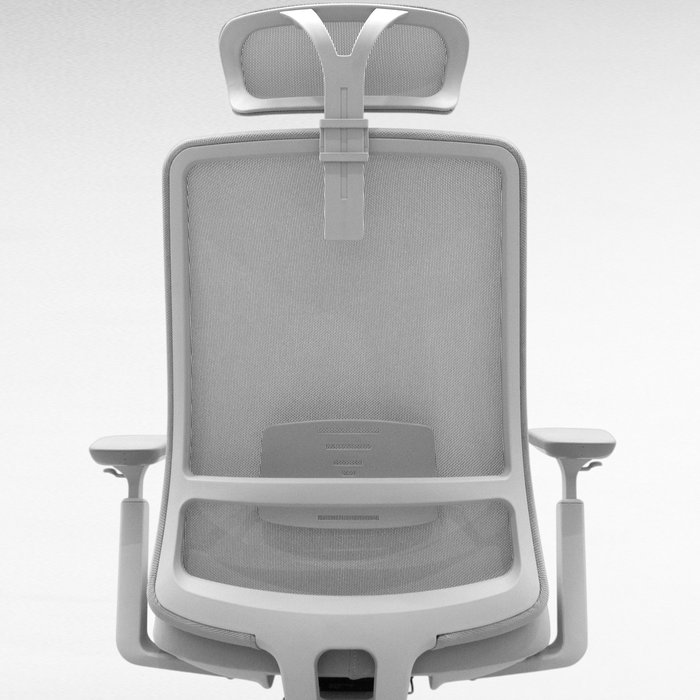
Armrests are one of the most worn parts in office chairs. The most critical factor in armrest replacement is the screw pattern of the connection points between the armrest and the chair body. The two most common patterns are: 2-screw straight mounting (distance between screws 48 mm) and 3-screw triangular mounting (distance between screws 38 mm). In some models, especially ergonomic chairs like Compasso, special adapter plates are used for armrest connection. In models with adjustable armrest height, the mechanism inside the armrest body is also an element to consider during replacement. When choosing an armrest, determine your current armrest type (2D, 3D, or 4D). 2D armrests only offer height adjustment, while 3D armrests provide height, width, and depth adjustment. 4D armrests also add a rotation feature. When replacing armrests, checking the position of your chair’s mounting holes and the screw thread type (usually M6 or M8) will prevent you from purchasing incompatible parts.
DIY Steps: Practical Methods for Part Replacement
Replacing office chair parts yourself saves both time and money. Wheel replacement is the easiest process: lay the chair on its side, pull the old wheel outwards to remove it, and push the new one into the same slot. If the wheel is stuck, you can gently wiggle it out with pliers. Gas piston replacement requires a bit more care. First, turn the chair completely upside down and locate the seat plate (the lower connection point of the piston). To remove the piston, gently tapping it with a rubber mallet or hammer is usually sufficient. Before installing the new piston, lubricate the connection points with silicone spray. When seating the piston in its housing, ensure the tapered shaft is fully seated. Armrest replacement is the most time-consuming process. To remove the armrest from the chair, unscrew the screws underneath with a screwdriver. When installing the new armrest, be careful not to overtighten the screws; otherwise, the plastic housings may crack. In models like Nes, armrest connection points are spread over a wider area, so you may need to use an adapter plate.
Brand and Model Compatibility
Each office chair model may have different part standards, even within the same manufacturer. For example, the Jun model uses a standard 11 mm wheel axle and a 50 mm tapered piston shaft, while the Code model may have a 7 mm wheel axle and a 45 mm tapered piston shaft. Therefore, it is recommended to note the brand and model number on your existing part before purchasing a replacement. When replacing the piston, if your chair uses a heavy-duty model like Boost, pay attention to whether the piston is SGS or TUV certified. These certifications indicate that the piston has passed safety tests. For armrest replacement, in horeca models like Flash, the armrest connection points have a different geometry, so standard office armrests may not be compatible. To check part compatibility, taking a photo of your existing part and showing it to the seller is the most reliable method.
Conclusion
Office chair spare part replacement is a relatively simple process when the correct measurements are known. Learning basic standards such as wheel axle diameter (7 mm or 11 mm), piston tapered shaft measurement (40-50 mm), and armrest screw pattern (2-screw 48 mm or 3-screw 38 mm) will prevent you from purchasing incompatible parts. Since each model may have its unique differences, taking measurements of the existing part before replacement and, if necessary, consulting the manufacturer’s technical documentation is the most accurate approach. By performing these replacements using DIY methods, you can extend the life of your chair and avoid the cost of buying a new one.