





3 August 2026
Office Fabric Selection: Martindale, Stain and Fire Certificate Guide
First Criterion in Office Fabric Selection: Martindale Abrasion Value. When buying office furniture, durability is as crucial as the fabric's visual appeal. Especially...
First Criterion in Office Fabric Selection: Martindale Abrasion Value
When purchasing office furniture, the durability of the fabric is as decisive as its visual appeal. Especially in high-traffic work areas, the fabric of chairs and sofas can wear out, fade, and lose its texture over time. This is where the Martindale test comes in, an international standard method that measures a fabric’s resistance to abrasion. The test is based on the principle of rubbing the fabric with a woolen cloth under a specific weight, and the result is expressed in “rubs” (devir). This value determines the intensity of use for which the fabric is suitable.
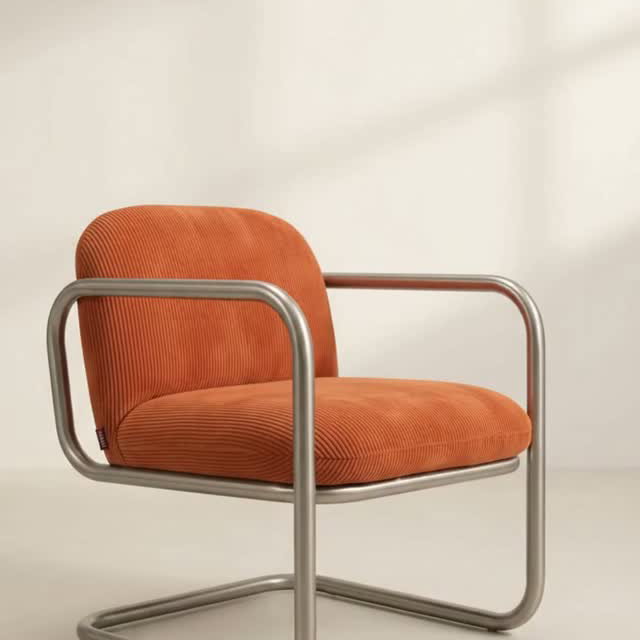
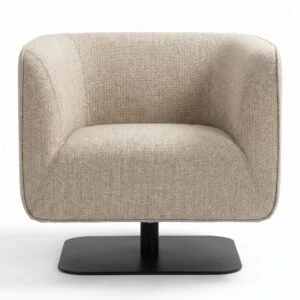
As a general rule, fabrics with less than 20,000 rubs are for decorative purposes and suitable for light-use home areas. In offices, this value is insufficient. While at least 30,000 rubs are recommended for a medium-intensity office, a fabric with 50,000 rubs or more should be preferred for continuously used areas such as waiting rooms, meeting rooms, and open-plan offices. For example, when selecting fabric for lounge chair models used in relaxation areas like the Cage Lounge, you must check this value. Otherwise, pilling and thinning of the fabric may be observed within a few months.
Usage Areas According to Martindale Value
- Light Commercial Use (20,000 – 30,000 rubs): Executive offices, infrequently used guest meeting rooms. These areas typically see 2-4 hours of seating per day. The fabric texture can be soft, with aesthetics being a priority.
- Medium Intensity Office (30,000 – 50,000 rubs): Open-plan office workers, operational teams. Continuous use for 6-8 hours a day is common. Fabrics in this segment balance both comfort and durability.
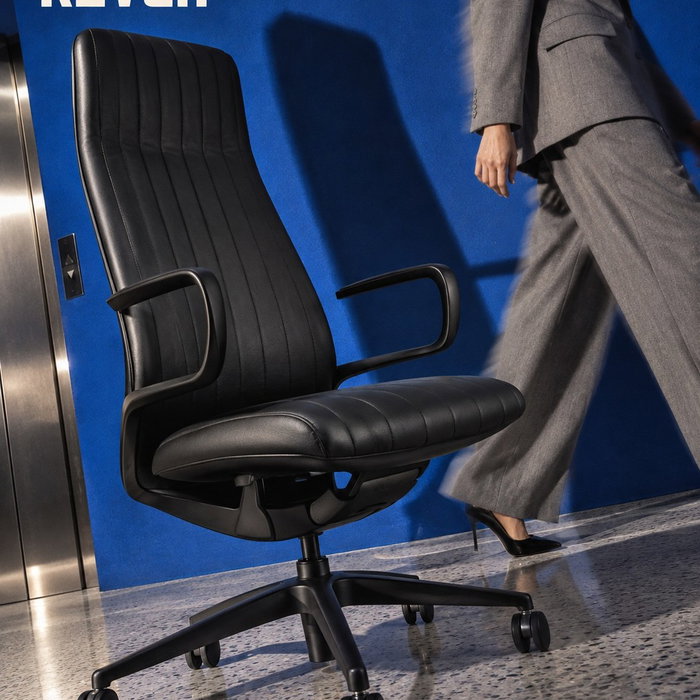
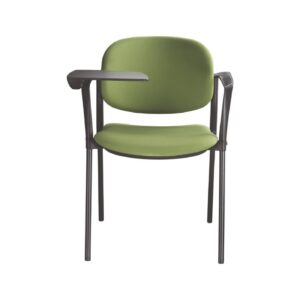
- Heavy Commercial Use (50,000 rubs and above): Patient waiting rooms, cafeterias, call centers. This value is mandatory for chairs used in 24/7 rotating shift systems. For models exposed to heavy use, such as the Pörtföy guest chair, the Martindale value should not fall below 50,000 rubs.
Stain Resistance and Water-Repellent Capacity: Practical Solutions
Coffee, tea, and food stains are inevitable in offices. Therefore, the fabric’s stain-resistant property is as important as its Martindale value. Fabric manufacturers have developed nanotechnology-coated or high-density woven fabrics to meet this need. Water and oil repellent properties are provided by a protective layer surrounding the fabric fibers. Thanks to this layer, liquids remain on the surface as droplets and can be easily removed without penetrating the fabric.
Another point to consider when evaluating stain resistance is the fabric’s colorfastness. Especially with light-colored fabrics, chemicals used during cleaning should not cause color fading. Furthermore, it is important that the foam underneath the fabric does not retain stains. In this regard, fabrics with a liquid-proof membrane layer offer a more hygienic solution in the long run. Especially in models where the backrest and seat are integrated, such as the Era-L, if a spilled liquid reaches the foam, odor and bacterial growth become inevitable. Therefore, it is necessary to choose fabrics with high stain resistance, preferably scoring 4.5 or 5.0.
Fabric Weave Types and Performance Differences
Fabric performance is directly related not only to chemical treatments but also to the weaving technique. The three most common weave types found in office chairs are:
- Woven Fabrics: Produced by traditional methods, durable due to high-density weaving. Cotton, polyester, and acrylic blends are frequently used. Martindale values are generally high (40,000+).
- Knit Fabrics: Comfortable due to their flexibility, conforming to the body. However, their abrasion resistance is lower compared to woven fabrics. Therefore, they should be preferred in light and medium-intensity offices.
- Microfiber (Suede) Fabrics: Made from fine polyester-based fibers. They have high water repellency and a soft texture. However, due to their potential to generate static electricity, they can attract dust. They should be used carefully in offices with a high concentration of employees with dust allergies.
Fire Certificate: BS 5852 Standard and Its Importance
Safety in office furniture is as critical an element as comfort. Especially in public buildings, hotels, and offices, it is a legal requirement for all textile products used to comply with specific fire standards. Foremost among these standards is BS 5852. This British standard tests the resistance of furniture fabrics and filling materials to cigarettes, match flames, and small ignition sources. The test is carried out by exposing the fabric on a mattress to an ignition source for a certain period, and the flame spread rate and smoke density are measured.
The BS 5852 test has two main parts: Ignition Source 0 (cigarette test) and Ignition Source 1 (match flame test). In office furniture, fabrics that pass both tests should generally be preferred. Furthermore, the flammability class of the fabric is important. Class 1 non-flammable fabrics self-extinguish when the ignition source is removed. This feature provides evacuation time during a fire and reduces the risk of smoke inhalation. This standard, which is becoming increasingly widespread in Turkey, should be sought especially in guest chairs like Creo found in public use areas.
Points to Consider for Fire Safety
- Label Check: The fabric you purchase must have the phrase “BS 5852 compliant” and the test report number on it.
- Foam Compatibility: Even if the fabric is non-flammable, if the underlying foam is flammable, the fire will spread rapidly. Therefore, the fabric and foam must be tested together. Especially in modular seating groups like Dublex, the fire standard compliance of all layers must be verified.
- Smoke Toxicity: It is as important that the flame does not spread as it is that the gases released during combustion are not toxic. For this reason, wool and natural fibers are a safer option than synthetic fabrics.
Advantages of Wool and Natural Fibers
Wool is a natural fiber that has been used for centuries and is the most advantageous in terms of fire safety. Wool fibers naturally slow down flames, have self-extinguishing properties, and do not melt. Additionally, its moisture-absorbing structure keeps you cool in summer and warm in winter. However, pure wool fabrics are expensive and tend to stain easily. Therefore, wool-polyester blend fabrics are often preferred for office chairs. This blend combines the fire resistance and comfort of wool with the stain resistance and abrasion resistance of polyester.
Which Values Are Necessary for Which Office Type?
When choosing fabric, you need to clearly define your office’s work arrangement and the frequency of furniture use. You can use the table below as a roadmap:
Executive Offices and Meeting Rooms: Average 3-4 hours of use per day. A Martindale value between 30,000-40,000 is sufficient. While stain resistance is important, the aesthetic appearance and texture of the fabric are prioritized as guest hospitality is paramount. Knit or soft woven fabrics are ideal.
Open-Plan Offices and Workstations: 8 hours or more of use per day. The Martindale value should be 50,000 rubs and above. Stain resistance is critically important; fabrics with high resistance to coffee and tea stains should be preferred. Additionally, the breathability (air permeability) of the fabric is important to prevent sweating during long sitting sessions.
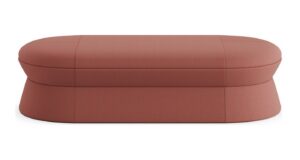
Waiting Rooms and Lounge Areas: Short-term but continuous use by visitors. Both Martindale value and stain resistance should be high. Furthermore, the ease of cleaning the fabric in these areas (e.g., being wipeable with a damp cloth) provides great convenience. For these types of areas, fabrics for industrial furniture like the Profil Çelik Ranza are also frequently chosen in the heavy commercial class.
Fabric Weight and Density Factor
Another technical detail often overlooked in fabric selection is fabric weight (weight per square meter). The ideal fabric weight for office fabrics is in the range of 300-500 gr/m². Fabrics below this value can be thin and transparent; the foam pattern underneath will show, and their abrasion resistance will decrease. Values above this range make the fabric stiff and inflexible, negatively affecting seating comfort. Additionally, the fabric’s friction coefficient is important. Very slippery fabrics can cause the person sitting in the chair to constantly slide, while very rough fabrics can damage clothing.
Conclusion
Office fabric selection is not just a visual preference; it is a strategic decision in terms of occupational safety, hygiene, and cost efficiency. Setting the Martindale value at a minimum of 30,000 rubs and choosing fabrics with high stain resistance and BS 5852 certification will reduce your furniture replacement costs in the long run. By also considering the fabric’s weave type and weight, you can ensure that your office furniture is both durable and comfortable, contributing to a productive and safe work environment.