








15 July 2026
Office Pedestal Types and Selection by Function
Office Pedestal Types: Mobile, Fixed, Filing Cabinet, and Seating Models. Often overlooked, these directly impact workflow...
Office Pedestal Types: Mobile, Fixed, Filing Cabinet, and Seating Models
Among office furniture, pedestals are often overlooked but are pieces that directly affect workflow. The organization of your workspace, the accessibility of documents, and the security of your personal belongings vary greatly depending on the type of pedestal you choose. In this article, we will examine mobile pedestals, fixed pedestals, filing cabinet pedestals, and seating pedestals in detail, considering their areas of use, advantages, and suitability criteria for your workflow.
Mobile Pedestals: Flexibility and Mobility
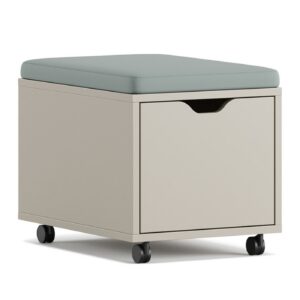
Mobile pedestals are storage units that can be easily moved thanks to the wheels at their base. They are generally produced with a height of 40-60 cm, a width of 30-45 cm, and a depth of 50-60 cm. A standard mobile pedestal consists of 2-3 drawers, and the wheels are typically made of rubber or nylon material. Rubber wheels provide quieter movement on hard floors, while nylon wheels offer better gliding performance on carpeted floors.
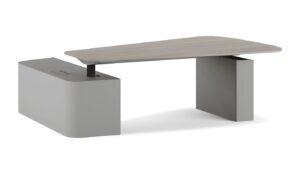
This type of pedestal is ideal for professionals, especially in open-plan offices, who work in teams or frequently change their workstations. For example, you can take your personal stationery, notebooks, or small files with you when going to a project meeting. Furthermore, when used with an adjustable-height desk like Slide, you can easily move the pedestal to the new position when the desk height changes. The carrying capacity of mobile pedestals typically ranges from 25-40 kg, and they can easily support a fully loaded drawer.
Fixed Pedestals: Stability and Security
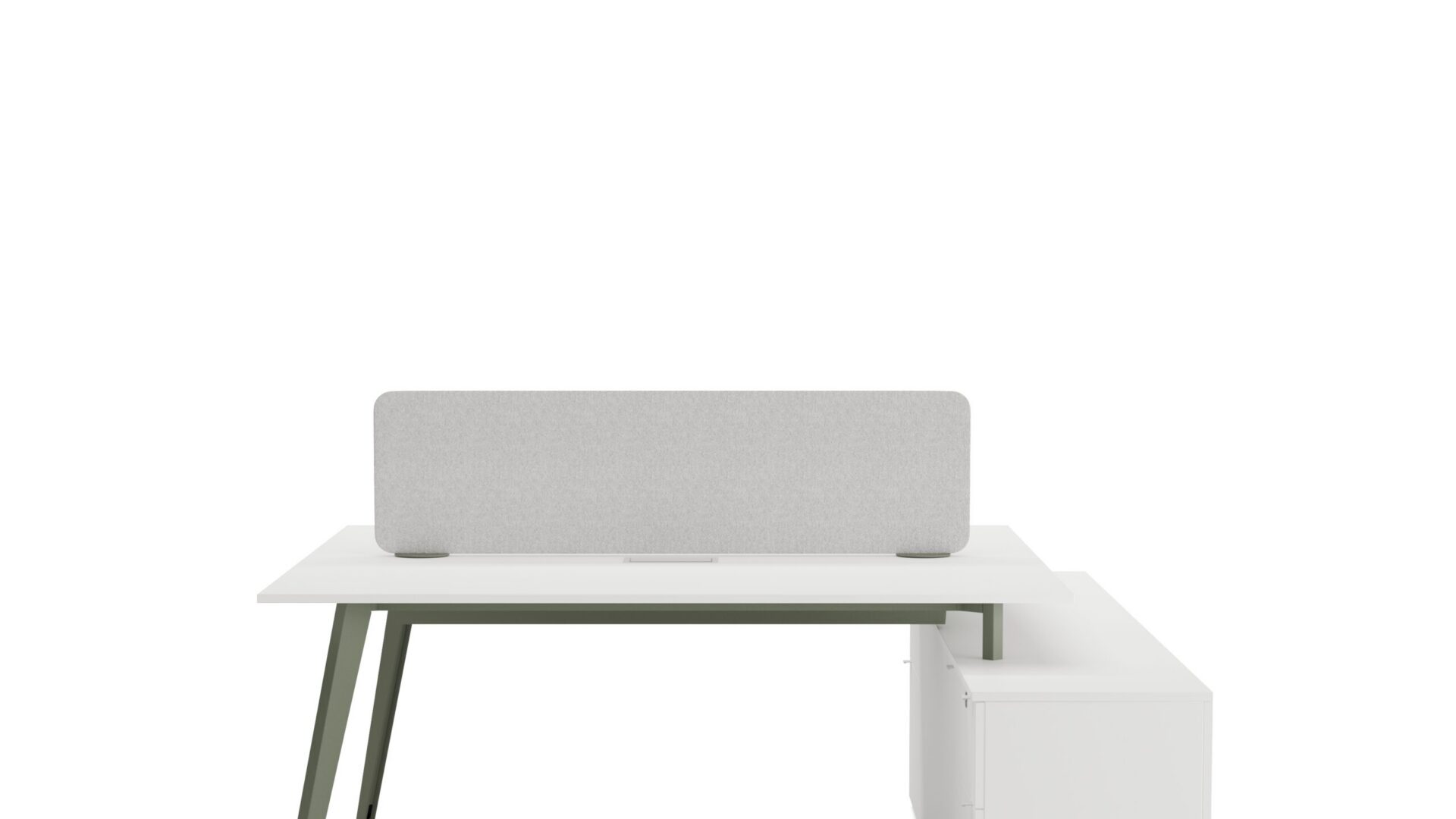
Fixed pedestals are models placed directly on the floor or mounted to a frame under the desk. Since they do not have wheels, their mobility is zero, but this provides higher stability and security. Fixed pedestals are generally produced with a height of 60-75 cm, a width of 40-50 cm, and a depth of 50-60 cm. These dimensions are designed to fit next to a standard office desk.
The biggest advantage of fixed pedestals is their capacity to carry heavy files and equipment. A high-quality fixed pedestal can easily support 80-100 kg even when fully loaded. Additionally, the locking mechanisms found in most models ensure the security of sensitive documents. For example, fixed pedestals compatible with modern office furniture like the Tin series provide both aesthetic integrity and protect your documents from dust and light. Fixed pedestals are preferred especially in departments requiring intensive file usage, such as accounting, law, or human resources.
Filing Cabinet Pedestals: High-Capacity Storage
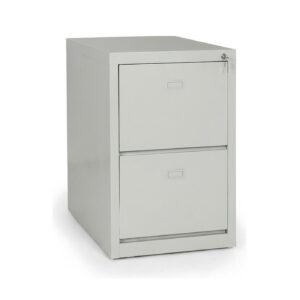
Filing cabinet pedestals have a large section specifically designed for a hanging file system, in addition to standard drawers. These models typically consist of 2-3 standard drawers and 1 filing cabinet drawer. The filing cabinet drawer allows A4 or legal-sized files to be stored vertically and is generally 60-70 cm deep.
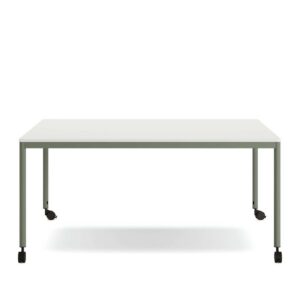
This type of pedestal is ideal for users with high document density who do not want to allocate space for a separate filing cabinet. For example, a project manager can organize files related to active projects in the filing cabinet section and stationery in the standard drawers. Another advantage of filing cabinet pedestals is that they save space by allowing you to store your files vertically. This way, you don’t narrow your workspace even around a large meeting table like Six. Furthermore, filing cabinet pedestals usually have a central locking system, so all drawers can be locked with a single key.
Seating Pedestals: Multifunctional Design
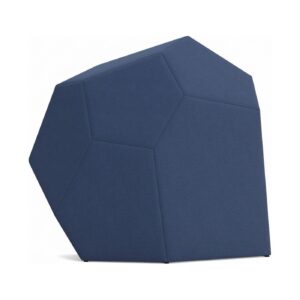
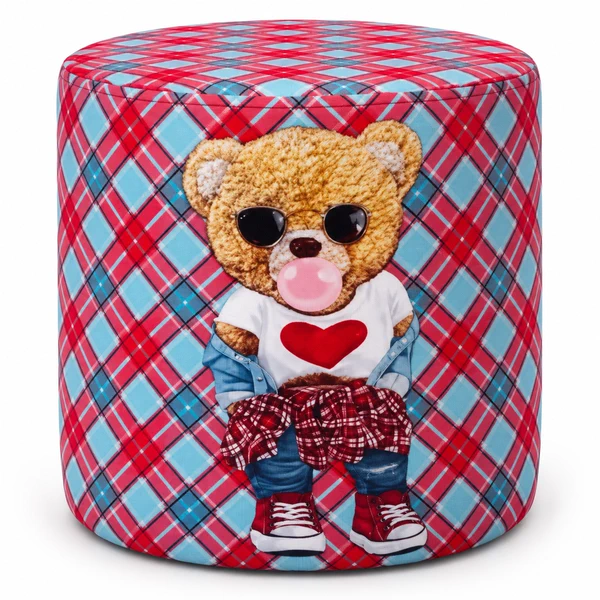
Seating pedestals are models whose top surface can be used as a seating area, with storage space underneath. These pedestals are generally produced with a height of 40-50 cm, a width of 40-50 cm, and a depth of 40-50 cm. The seating surface is usually made of artificial leather, fabric, or wood, and the storage space underneath is covered with a lid or drawer.
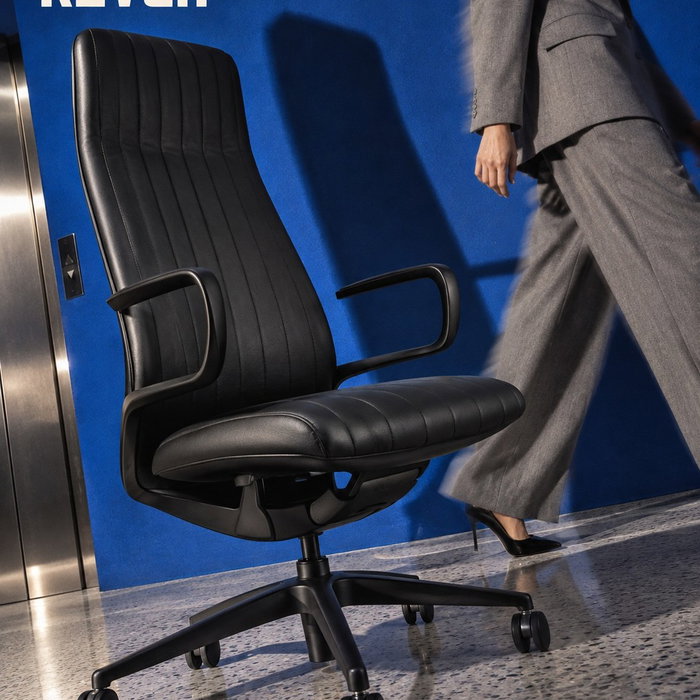
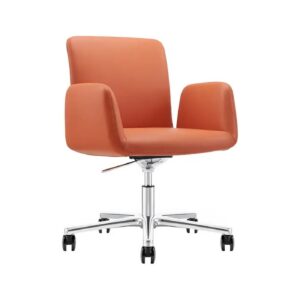
Seating pedestals are a practical solution, especially for small offices or waiting areas. They meet both seating needs and allow you to store your extra belongings neatly. For example, when used as a guest seat, it can store spare stationery or seasonal items. Additionally, when combined with an ergonomic office chair like the Arven office chair, it adds extra storage space to your workspace. The carrying capacity of seating pedestals typically ranges from 100-150 kg, meaning they can easily support the weight of an average adult.
Pedestal Selection According to Your Workflow
The most critical factor in choosing a pedestal is the nature of your workflow. If you frequently change locations and use different workstations, mobile pedestals offer you the most flexibility. Especially in open-plan offices, mobile pedestals allow you to carry your personal belongings with you and always have an organized workspace.
If you work in a position with high document density, fixed pedestals or filing cabinet pedestals would be more suitable. Fixed pedestals stand out with their capacity to carry heavy files and security features, while filing cabinet pedestals allow you to store your documents in an organized manner. For example, for a lawyer or accountant, a filing cabinet pedestal provides quick access to active files and keeps archived documents secure.
If you are experiencing space constraints in your office, seating pedestals combine both seating and storage needs in a single piece of furniture. This way, you avoid buying a separate guest chair and a separate storage unit. Additionally, seating pedestals are generally lightweight and portable, so you can easily move them if you want to change your office layout.
Conclusion
Office pedestals are important pieces of furniture that directly affect the organization and efficiency of your workspace. Mobile pedestals offer flexibility and mobility, while fixed pedestals provide high stability and security. Filing cabinet pedestals are ideal for intensive document use, while seating pedestals save space in small offices with their multifunctional design. Choosing the right type of pedestal by considering your workflow, storage needs, and office layout will both increase your physical comfort and speed up your work processes.