








7 August 2026
Operational Chair Recommendations for 8 Hours of Sitting
Lumbar and Neck Support During Long Working Hours: 6 Operational Chair Models For call center operators, accounting specialists, and software developers...
Lumbar and Neck Support During Long Working Hours: 6 Operational Chair Models
For call center operators, accounting specialists, and software developers, working hours can turn into a test of physical endurance. For these professionals who spend an average of 8 to 10 hours a day in front of a screen, choosing the right chair is a factor that directly affects productivity. Incorrect sitting posture can lead to pain in the lumbar region, neck stiffness, and circulatory problems. At this point, the main feature expected from operational chairs is to have a dynamic mechanism that adapts to the user’s anatomical movements. Below, we examine six different models that prioritize design and engineering for departments requiring long-term sitting, along with their technical specifications and areas of use.
1. Synchronous Mechanism Models for Active Sitting
Static sitting increases pressure on the discs in the spine. The most effective way to reduce this load on the spine is to choose chairs with a synchronous mechanism where the backrest and seat move together. This system increases the sitting angle by 4 to 6 degrees when the user leans back, keeping the abdominal muscles active. This dynamic structure is critically important, especially for operators in call centers with heavy phone traffic who constantly need to lean forward. Being able to adjust the backrest’s resistance according to the user’s weight (typically in the 50-120 kg range) is a detail that increases the mechanism’s efficiency. At the same time, a minimum seat depth adjustment (sliding mechanism) of 5 cm prevents knee and hip angle problems caused by height differences.
2. High Backrest and Adjustable Lumbar Support: Sun Model
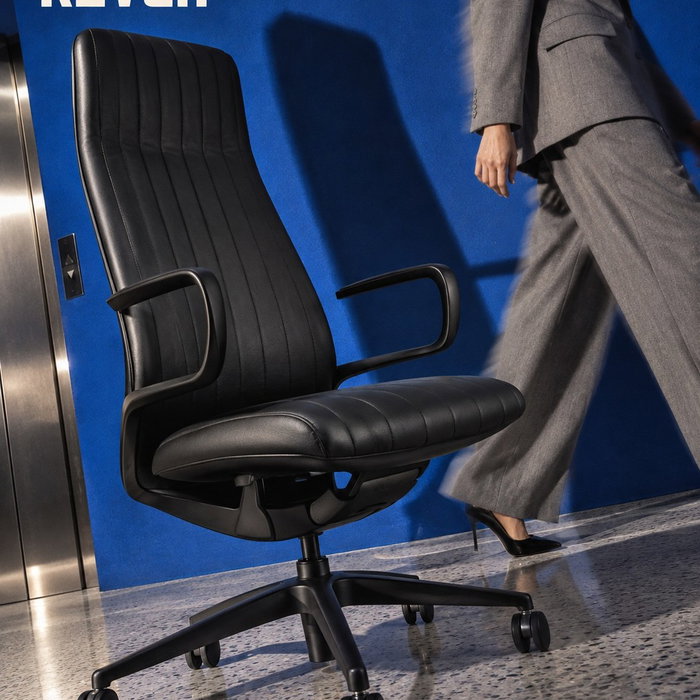
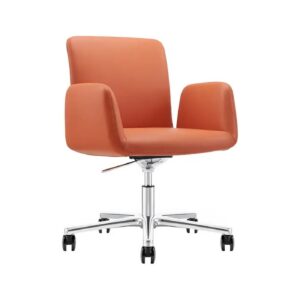
For employees in accounting departments, the time spent at the desk is usually uninterrupted. For these users, supporting the lordotic curve in the lumbar region is the most important factor in delaying hernia formation. The Sun model provides support up to the lower part of the shoulder blades thanks to its high backrest. While the backrest height can be adjusted between 58 cm and 64 cm, the lumbar support module can move 8 cm on the vertical axis. This allows users between 165 cm and 190 cm to achieve a surface that makes full contact with their lumbar region. The cold foam density used in the chair’s seat is 55 kg/m³; this value ensures that the seat retains its shape and that pressure distribution is even, even after 8 hours. Additionally, thanks to the 4D armrest feature (forward-backward, up-down, inward-outward, angle), it is possible to position the elbows at the same height as the desk surface when writing.
3. Spinal Mobility with Flexible Backrest
Software developers frequently switch quickly between the screen and keyboard while coding. During these transitions, the ability of the upper back to flex is necessary for the nourishment of intervertebral discs. Classic rigid-backed chairs restrict this movement. Instead, models where the middle section of the backrest is made of flexible polypropylene material and the frame is aluminum should be preferred. This structure allows the backrest to move torsionally up to 12 degrees when the user turns right or left. Thus, the spine can move along its natural axis without being restricted by the chair’s limits. In models with this type of mechanism, even if the backrest height is fixed, the flexible structure allows adaptation to users of different heights.
4. Synchronized Headrest for Neutral Position
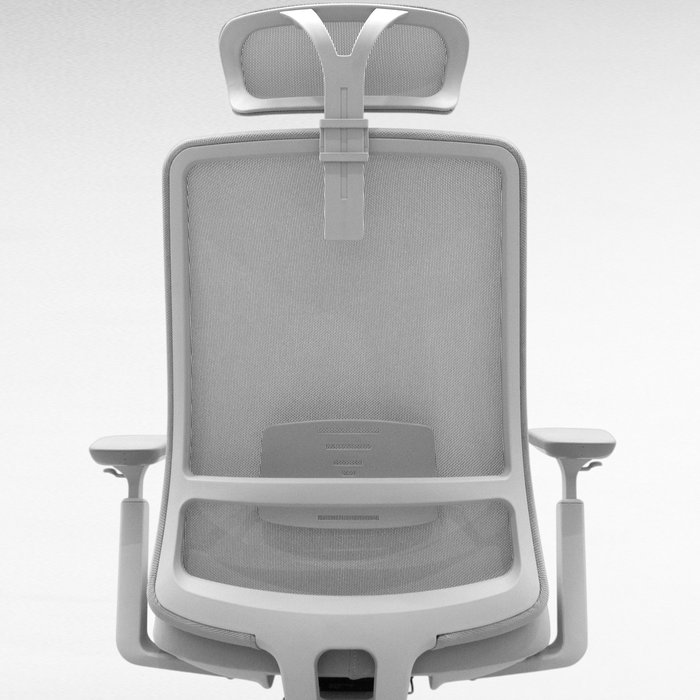
Neck hernia is the biggest nightmare for desk workers. The head weighs approximately 4.5 kg, and this load doubles the strain on the neck muscles for every 2.5 cm the head tilts forward. Therefore, a headrest is an essential feature, especially for users who spend long periods on the phone or looking at the top of the monitor. However, merely having a headrest is not enough; it must work in conjunction with a synchronous mechanism. When the backrest moves to a reclined position, the headrest following the same angle ensures continuous support for the cervical vertebrae. Models with headrest height adjustable between 54 cm and 70 cm help protect cervical lordosis by contacting the lower back of the user’s head (occipital region). This feature is ideal, especially for software teams using large monitors of 27 inches and above.
5. Weight Capacity and Mechanism Durability
In operational chairs, mechanism quality is the most critical factor determining the product’s lifespan. The quality of the gas spring (piston) affects the smoothness of the chair’s up-down movement. Mechanisms that have passed tests compliant with the BIFMA X5.1 standard, capable of carrying a static load of up to 150 kg, and durable for 200,000 cycles should be preferred. Additionally, a 5-star metal base (cast aluminum or steel), along with 60 mm diameter casters, offers smooth movement on carpets and hard floors. Polyamide-based casters do not scratch hard surfaces, while rubber-coated casters provide better rolling performance on soft surfaces. These details facilitate the user’s frequent position changes throughout the day and support blood circulation in the lower extremities.
6. Importance of Fabric and Filling Material Selection
Sweating and skin irritation during long sitting sessions are comfort issues that should not be overlooked. Therefore, the breathability of the fabric and the elasticity of the filling material come to the forefront. Models with a mesh backrest increase air circulation by 40%, helping to maintain body temperature balance. For the seat surface, using high-density cold foam prevents the formation of pressure points. Especially when sitting for 8 hours, the aim is for the pressure on the tailbone area to be below 32 mmHg. This value is the threshold required for blood vessels to function without obstruction. The fabric’s abrasion resistance should be at least 50,000 Martindale cycles; this ensures no wear or color fading even after years of use.
Ergonomic Rules for Correct Sitting Posture
No matter how advanced the chair, its benefits remain limited if the user does not know the correct sitting posture. The chair’s seat height should be adjusted so that the feet are flat on the floor and the knees form a 90-degree angle. The seat depth adjustment should leave a 2-3 finger gap between the back of the knees and the front edge of the seat. The top edge of the monitor should be at eye level or no more than 5 cm below it. When using a keyboard, the elbow angle should not exceed 90 degrees, and the wrists should remain in a neutral position. Each of these adjustments can be made in minutes using the chair’s adjustment levers. Additionally, standing up every 60 minutes and walking for 5 minutes helps rehydrate the spinal discs and reduces muscle fatigue.
Space Harmony and Accessory Selection
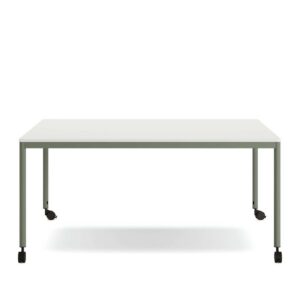
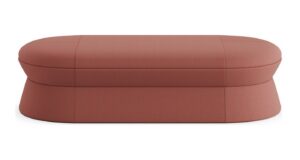
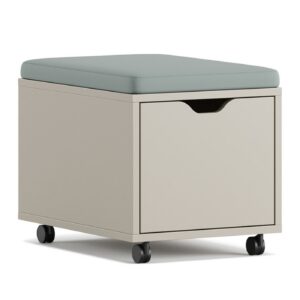
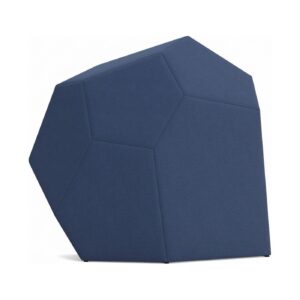
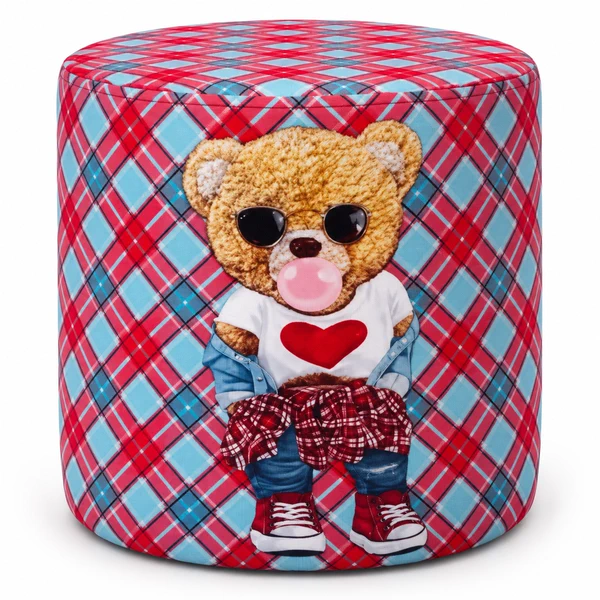
When choosing an operational chair, focusing solely on ergonomics can disrupt the overall harmony of the space. In open-plan offices, the chair’s color and material harmony are visual elements that affect employee motivation. Dark gray or black fabric upholstery easily integrates with industrial and modern office decor, while light-colored fabrics create a more spacious perception. To ensure harmony with other furniture in the office, proceeding with the same color palette as modular solutions used in meeting rooms, such as the Actor modular meeting table, provides visual continuity in the space. In lounge areas, large seating elements like the Zenith sofa help employees completely relieve spinal load during breaks. A Belt pouf added next to the chair stands out as a practical accessory that supports blood circulation when feet need to be elevated (especially with desk heights above 60 cm).
Maintenance and Longevity Criteria
Operational chairs require regular maintenance due to intensive use. Lubricating the gas spring with a silicone-based spray once a year ensures smooth up-and-down movement. Dust and hair accumulated on the casters reduce mobility; therefore, it is recommended to clean the casters with a damp cloth every 3 months. For stains on fabric surfaces, stain removers recommended by the manufacturer should be used, and solvent chemicals should be avoided. The warranty period for mechanism parts is generally 5 years, and in case of any hydraulic leakage or spring breakage during this period, the manufacturer should be contacted. These simple maintenance routines can extend the chair’s economic life beyond 10 years.
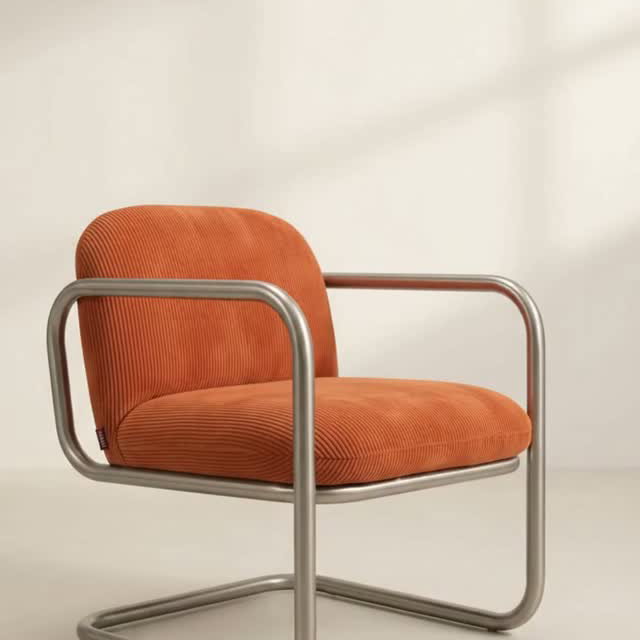
Operational Solutions in Meeting and Lounge Areas
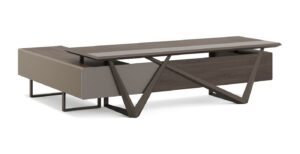
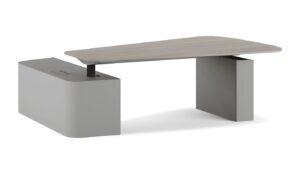
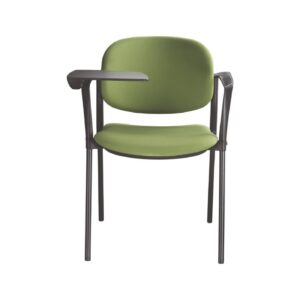
Roles requiring long periods of sitting are applicable not only at individual workstations but also in meeting rooms. Long meetings can lead to physical discomfort that distracts participants. Therefore, chairs used at meeting tables must be at least as ergonomic as desk models. However, in these areas, more compact and stackable models can be preferred to increase space efficiency. For example, chairs used around the Eight dining table should have a standard seat height of 45 cm and allow legroom under the table. In lounge areas, chairs placed around the Dublex coffee table should be selected from high-backed models where employees can find back support during short breaks. The fact that the chairs used in these areas are wheeled, user