

























28 February 2026
Prolonged Sitting: Its Effects on Your Body and Preventive Measures
Today's modern lifestyle often involves prolonged sitting for many individuals. From office workers to students, and even those spending time at home, a wide segment faces the risks associated with physical inactivity. However, it's possible to understand the potential negative impacts of this on our bodies and take proactive measures. This comprehensive guide will detail the effects of prolonged sitting on your body and help you adopt a healthier lifestyle.

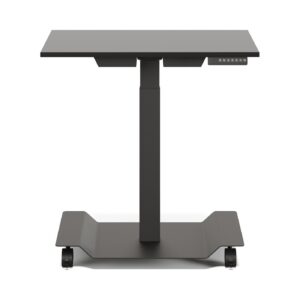
Quick Answer: Prolonged sitting is linked to numerous negative effects such as musculoskeletal disorders, increased risk of metabolic syndrome, heart disease, diabetes, and mental health issues. Preventive measures include using ergonomic furniture, taking regular breaks, opting for a standing desk, and increasing physical activity.
The conveniences and technological advancements of modern life also bring new health risks. Spending long periods sitting, especially in an office environment or at home in front of a computer, can lay the groundwork for many health problems. This situation negatively affects not only our physical health but also our mental well-being and overall quality of life. A sedentary lifestyle is considered one of the biggest public health issues of our time, and raising awareness and adopting healthy habits in this regard is crucial. In this article, we will examine the comprehensive effects of prolonged sitting on our bodies with scientific data, detail the measures we can take to reduce these risks, and explore the ergonomic solutions offered by Kavela.furniture, a leading provider of Turkey office furniture.
General Effects of Prolonged Sitting on the Body: Why Is It So Dangerous?
A sedentary lifestyle emerges as one of the most insidious enemies of the modern age. Many people spend more than 8-10 hours a day sitting; this time can easily accumulate in the office, at school, while driving, or relaxing at home. Scientific research shows that prolonged sitting is not limited to seemingly minor complaints like back pain but also increases the risk of serious chronic diseases. Our bodies are designed for movement, and prolonged inactivity negatively affects our physiological processes. It can lead to impairments in many areas, from blood circulation to metabolism, from the musculoskeletal system to mental health. This situation stands out as a silent danger threatening individuals’ overall health. Prolonged sitting reduces the body’s energy expenditure, paving the way for weight gain, and increases insulin resistance, raising the risk of diabetes. It also has negative effects on cardiovascular health.
Negative Effects on the Musculoskeletal System: Back and Neck Pain
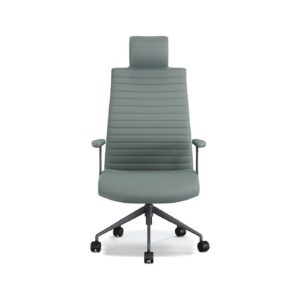
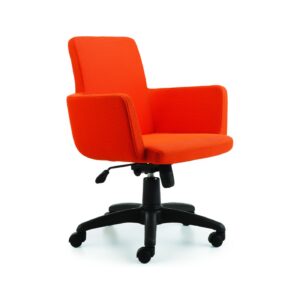
One of the most prominent and common effects of prolonged sitting is its negative impact on the musculoskeletal system. Chronic pain, poor posture, and muscle weakness are frequently observed, especially in the spine, neck, and shoulder regions. Incorrect sitting postures and non-ergonomic work environments exacerbate these problems. Staying in the same position for hours creates continuous pressure on the discs between the vertebrae, strains muscles, and slows down blood circulation. Over time, this can lead to disc degeneration, herniation, and chronic pain syndromes. Continuous tension in the neck and shoulder muscles can cause headaches and restricted movement. Poor posture, in turn, disrupts the body’s natural alignment, creating additional stress on other joints. Therefore, adopting the correct sitting posture and optimizing the workspace with an ergonomic office chair selection is vital. An ergonomic chair, like those found in quality Turkey office furniture collections, supports the natural curve of the spine, reducing pressure and ensuring muscles tire less.
Metabolic Health Risks: Diabetes and Heart Disease
Beyond its effects on the musculoskeletal system, a sedentary lifestyle profoundly impacts metabolic health. Prolonged sitting reduces the body’s insulin sensitivity, making blood sugar regulation more difficult. This significantly increases the risk of type 2 diabetes. Furthermore, the body’s fat-burning capacity decreases, and bad cholesterol (LDL) levels rise while good cholesterol (HDL) levels fall. These metabolic changes set the stage for cardiovascular diseases. They can increase the risk of blood clots and raise blood pressure, leading to hypertension and heart attack risk. Regular movement accelerates blood circulation, boosts metabolism, and helps reduce these risk factors. Even while sitting, making small movements to engage leg muscles and maintain blood flow can be beneficial.
Mental and Psychological Effects: Focus and Mood
Prolonged sitting negatively affects not only our physical health but also our mental and psychological well-being. Inactivity can reduce blood flow to the brain, leading to a decline in cognitive functions, difficulty concentrating, and mental fatigue. Research indicates that individuals who sit for long periods experience anxiety and depression symptoms more frequently. While physical activity promotes the release of ‘feel-good’ hormones like endorphins, inactivity can lead to a deficiency of these natural mood regulators. Social isolation and physical discomfort can also have a negative impact on mood. Taking regular breaks, going for short walks, or doing simple stretching exercises