











28 August 2026
Reception Desk and Corporate Identity: Laminate, Lacquer and Acoustic Panel
Why Is the Reception Desk the Most Important Part of a Corporate Identity?
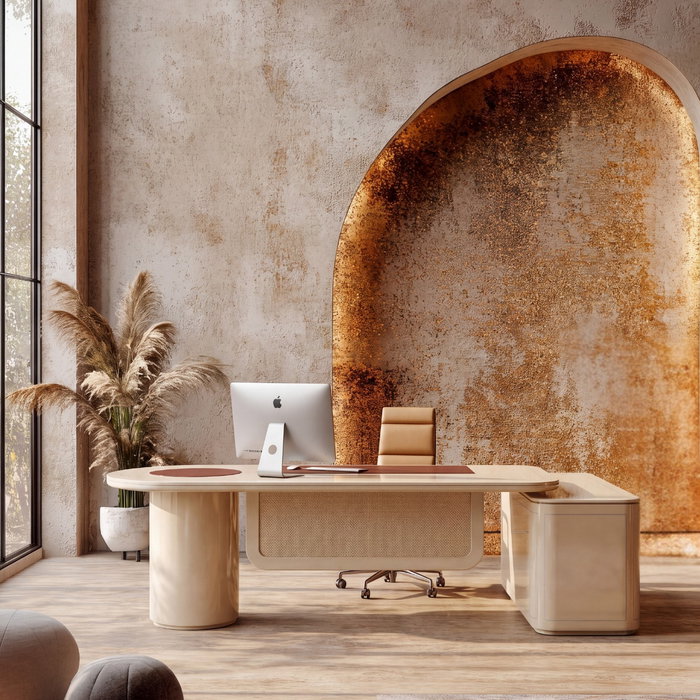
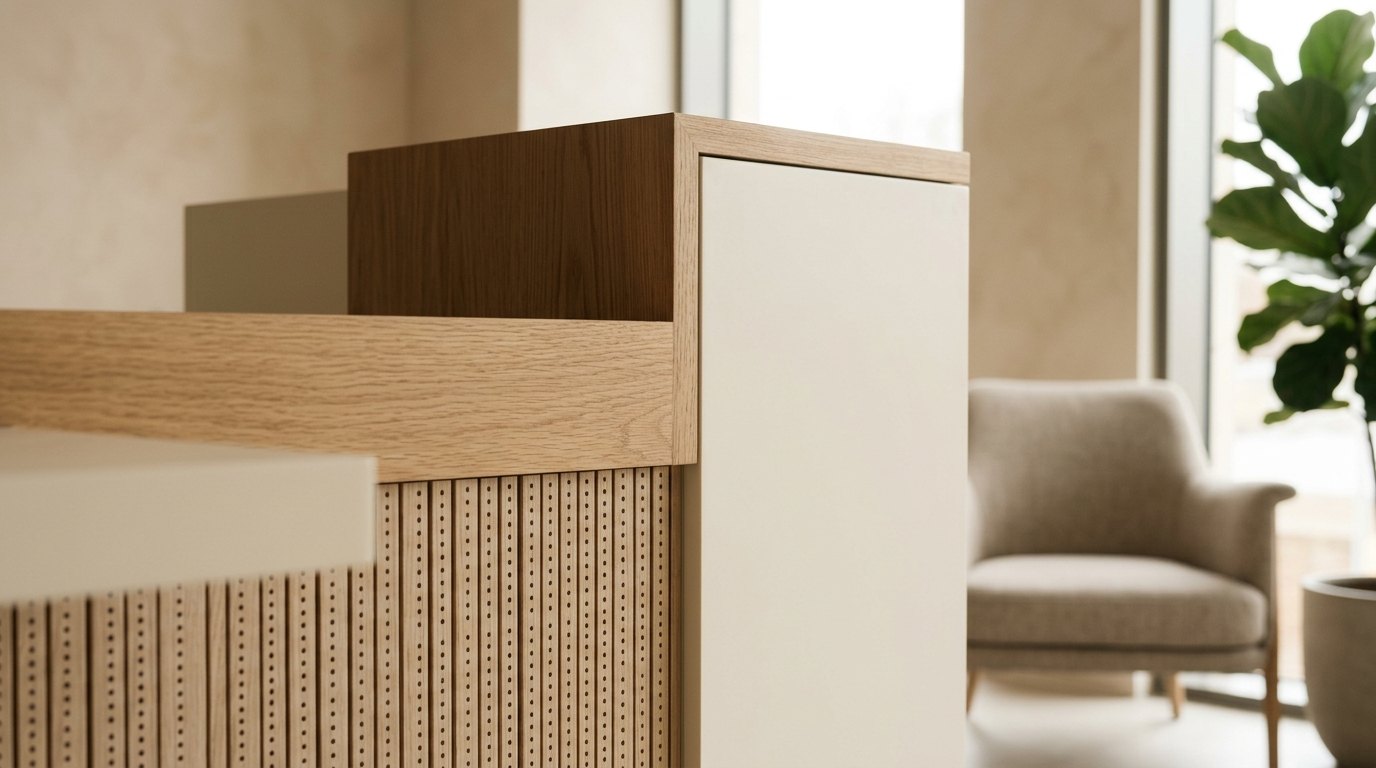
The first thing the eye looks for on walking through an office door is the reception desk. Within seconds, this area explains your company’s professionalism, its way of working and the value it places on its guests. Seen architecturally, the desk is not merely a welcome counter but the wayfinding centre of the space. A well-designed desk manages complex office traffic, gives confidence, and forms the first physical point of contact with your brand.
Ergonomics becomes an inseparable part of that corporate identity at this point. The height of the desk is not set at random. The guest side of a standard reception desk usually varies between 105 cm and 115 cm. That height is ideal for a standing visitor signing a document or speaking with the desk. On the staff side, the working surface is kept at around 74 to 75 cm. If those dimensions slip, corporate seriousness gives way to an uncomfortable, makeshift look.
Material choice underlines that identity too. Heavy, dark timbers send a message of an established, traditional structure, while glass, metal and glossy surfaces point to a technology-focused, transparent company. How the desk sits against the wall behind it, the angle of the lighting and the relationship it builds with the waiting area around it all tell your brand’s story. You do not get a second chance at a good first impression, which is why the reception area is considered the heart of an architectural project.
Laminate Desks: Budget-Friendly with a Wide Colour Range
The material group we use most often in office projects is laminate and melamine facing. The main reason is the enormous colour range and the durability the material offers. Laminate surfaces are produced by pressing resin-impregnated papers under high pressure. That process makes the surface resistant to scratches, hot cup bases and the fading effect of sunlight.
Laminate desks are usually modular in design. In the heavy office traffic of Ankara, a surface that cleans easily and stands up to knocks is a significant advantage. The 2 mm PVC edge banding prevents corners from chipping on impact. If you are looking for a dynamic, continually changing and cost-effective solution, laminate is the most sensible option. Models such as the Riva reception desk bring the clean lines and functionality of this material into your office.
On colour, your limits are close to none. Alongside classics such as anthracite grey, oak, walnut or plain white, you can catch an industrial feel with marble or concrete textured laminates. Wear resistance figures such as the Martindale test are high on laminate surfaces, which lets the desk hold its original form for 5 to 10 years. The lightness of the material also makes installation and relocation easier.
Lacquer Desks: Glossy Surface and a Prestigious Look
If your aim is luxury and high prestige, lacquer comes into play. Lacquer is not a facing but a professional painting technique applied to an MDF surface. During the process the MDF is first sanded, then primed, and finally meets the top coat of paint. The varnish applied last gives the surface its characteristic depth. The main quality that separates lacquer desks from the rest is that you see no joint or edge banding anywhere on the surface.
Finish options on lacquer desks are wide: silk matt, full matt or high gloss. Glossy lacquer surfaces reflect the light in the room and make the reception area look airier and larger. The care those surfaces need is greater than laminate, however. Fingerprints and fine scratches can be more visible on a gloss finish. Choosing lacquer only for the upper top or the decorative front panels that guests do not touch is therefore a shrewd architectural move.
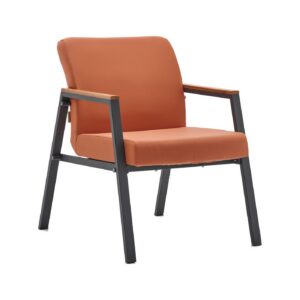
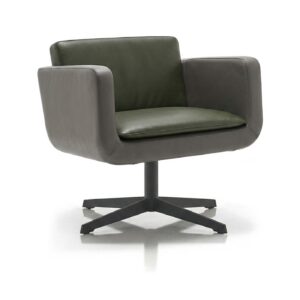
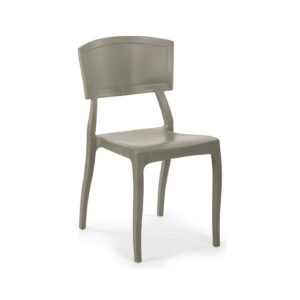
The complementary products you place beside the desk matter when building a prestigious office. Ergonomic and elegant waiting seats in the manner of Pona, which keep visitors comfortable during short waits, support the composed stance of a lacquer desk. Because we can work to RAL codes on lacquer, reflecting your brand’s exact corporate colour in the furniture is possible. That gives invaluable freedom in terms of corporate coherence.
Desks Faced with Acoustic Panels: Sound Absorption and a Warm Texture
In modern office design it is no longer appearance alone that comes first, but comfort conditions too. Reception areas are usually on entrance floors, in high-ceilinged, large-volume spaces. That brings a serious echo problem with it. When telephone calls, the sound of heels and noise from outside combine, the working environment can become unbearable for the receptionist. This is where desks faced with acoustic panels come in.
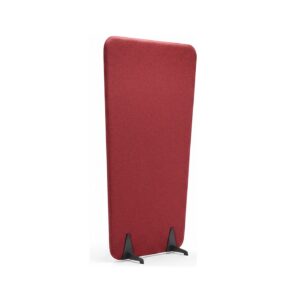
Acoustic panels in PET felt or fabric, used on the front face or the side panels of the desk, absorb the sound waves in the room. A panel with an NRC (Noise Reduction Coefficient) of 0.85 swallows a large part of the sound and creates a quieter space for conversation. Integrating products such as the Cliff acoustic panel into the desk body creates a texture that is not only functional but visually soft and inviting.
Another advantage of acoustic panels is the variety of colour and pattern. You can add depth to the desk with three-dimensional forms or linear lines. The warmth that felt offers by its nature breaks the coldness of glass and metal. In entrances designed on open office logic in particular, this kind of desk can improve the acoustics of the space by 20 to 30 per cent. That both raises staff productivity and helps the guest feel they are in a calmer environment.
Design Lines: Modern, Classical and Industrial Approaches
When choosing a desk you should look not only at the material but at the form that material takes. The design language whispers your company’s vision. Three main currents stand out on the market today:
- Modern design: Sharp, straight lines, minimalist detailing and functionality come first. Ideal for technology and software firms that keep away from clutter and hold to a “less but better” philosophy. Models such as Daisy bring the plain, striking force of modernism into your reception area. LED lighting is usually indispensable to this design language.
- Classical and neoclassical: Heavy timber textures, thick tops and sometimes marble details. Law firms, financial institutions and long-established construction companies favour this line. It sends a message of confidence and continuity. Tops 40 to 50 mm thick and natural veneers are preferred here.
- Industrial design: Panels with a raw concrete look, metal mesh details and structural elements left exposed. Suited to advertising agencies, architecture practices and creative ventures. In this style the coldness of raw metal is balanced by the warmth of timber.
Whichever style you choose, the size of the desk has to match the scale of the space. A small desk placed in a very wide lobby feels “lost”, while an enormous desk squeezed into a narrow area overwhelms the guest. In an ideal arrangement, at least 90 to 100 cm of aisle should be left behind the desk so that staff can move comfortably.
Brand Logo and Colour Code Applications: Points to Watch
The reception desk is where your logo should look its best. Rather than sticking the logo on like a label, though, it needs to become part of the design. Application methods change with your material. Plexiglass box letters or laser-cut metal logos look elegant on a laminate surface, while on lacquer surfaces engraving (CNC) combined with paint in a different colour can be used.
Lighting multiplies the effect of a logo tenfold. LED strips concealed in the front panel of the desk (usually 4000K daylight or 3000K warm white) bring the logo forward while giving the desk a “floating” effect. That takes away the bulk of the furniture and makes it look lighter. On colour codes you should be careful. The blue of your corporate logo and the blue of the furniture paint can look different in daylight and different again under artificial office light. It is therefore best not to proceed without approval on a physical sample.
Finally, cable management is the hidden hero of corporate identity. Cables snaking across the desk make even the most expensive lacquer desk look cheap. You should conceal the whole technical infrastructure with desk socket systems, cable trays and spines. A clean counter surface represents the importance your brand places on detail and its orderly working discipline.
Conclusion
Choosing a reception desk is a process where material knowledge, ergonomic standards and brand perception meet. Laminate offers practicality, lacquer prestige, and acoustic panels comfort. Combined with the right design language, these materials set the character of your office. Remember that the desk is not merely a piece of furniture but the face of your company, and every detail reflects your professionalism.