











4 April 2026
The Office of the Future: High-Tech Integrated Workspaces
As our ways of working evolve, office spaces must adapt to this transformation. The "office of the future" is no longer just a concept but a tangible reality shaped by high-tech integration. Smart systems, AI-powered tools, and connected devices are making workspaces more efficient, flexible, and human-centric. This article explores the innovations awaiting us in the office of the future, detailing how these technologies contribute to business processes and the employee experience, a key consideration for 'turkey office furniture' and 'ergonomic office design' trends.
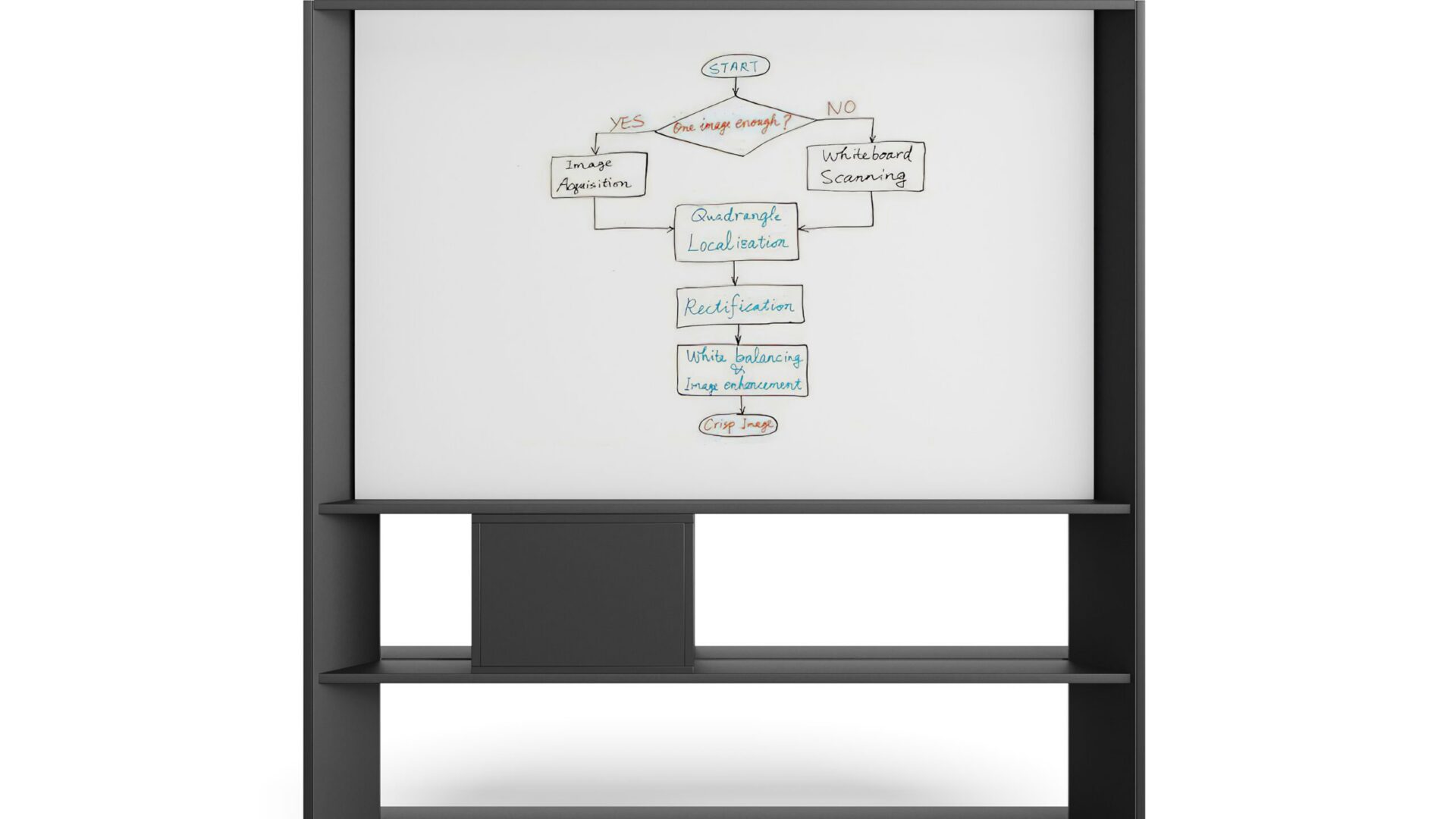
Quick Answer: The office of the future is a human-centric workspace that integrates high technologies like IoT, AI, VR/AR, and smart automation to make work areas more efficient, flexible, personalized, and sustainable.
The digital transformation, accelerated by the pandemic, has fundamentally changed our work habits and redefined the concept of the office. Offices are no longer just workspaces confined within four walls; they are evolving into flexible and dynamic ecosystems where technology blends with human experience. These next-generation workspaces, which we call the “office of the future,” prioritize employee well-being and creativity while boosting productivity through high-tech integration. From smart lighting to AI-powered personalized experiences, virtual reality to sustainable solutions, how are these technology-equipped offices transforming our ways of working and our work culture? This comprehensive guide will delve into the innovations awaiting us in the office of the future and the opportunities this revolution presents, particularly relevant for those interested in ‘turkey office furniture’ and ‘ergonomic office design’ advancements.
The Office of the Future Concept: Cornerstones
The office of the future is not just about a few technological add-ons; it represents an integrated philosophy. The cornerstones of this concept are flexibility, efficiency, sustainability, and employee well-being. Unlike traditional offices, future offices offer diverse spaces that support different work styles and needs: quiet rooms for focus, open areas for collaboration, and lounge zones for socializing. Technology ensures seamless transitions between these areas and a personalized experience for every employee. Smart systems optimize energy consumption, while artificial intelligence anticipates employee needs and offers proactive solutions. These offices are not just places where work is done, but also living spaces where learning, creation, and development thrive. ‘Turkey office furniture’ manufacturers are increasingly designing modular and adaptable pieces to fit these dynamic environments.
Smart Office Technologies and Integration
The office of the future is shaped by the seamless integration of smart technologies. These technologies simplify daily operations, increase efficiency, and enrich the employee experience.
IoT Devices and Sensors
Internet of Things (IoT) devices and sensors form the backbone of the future office. Room occupancy sensors, light and temperature sensors, and even air quality sensors continuously collect data about the office environment. This data is used to optimize space utilization, manage energy consumption, and enhance employee comfort. For example, sensors detecting an empty meeting room can automatically turn off lights or stop air conditioning, thus saving energy. This level of automation is a key feature of modern ‘ergonomic office design’.
Smart Lighting and Climate Control Systems
Smart lighting systems automatically adjust light intensity and color temperature via daylight sensors and motion detectors. This not only saves energy but also supports employees’ circadian rhythms, increasing productivity. Similarly, smart climate control systems optimize temperature and humidity levels using sensor data, always providing an ideal working environment. The answer to the question how to choose office lighting now lies in smart systems.
Integrated Meeting and Collaboration Tools
Meeting rooms in future offices are equipped with smart screens, video conferencing systems, and wireless presentation technologies. These systems enable starting meetings, sharing screens, and seamless communication with remote participants with a single touch. Room reservation systems simplify finding and booking empty rooms through smart calendar integration, preventing time loss. ‘Turkey office furniture’ for meeting rooms is evolving to incorporate these tech features, with integrated power and data solutions.
Personalized Work Experience with Artificial Intelligence and Data Analytics
Artificial intelligence (AI) and big data analytics are making the office of the future even smarter and more personalized. These technologies are used to optimize every aspect of the office environment and provide tailored experiences for employees.
Employee Productivity Tracking and Optimization
AI-powered systems can analyze anonymized data to determine when and where employees are most productive. For example, they can detect an increase in concentration at a certain temperature or lighting level and automatically provide these conditions. This helps create a working environment optimized for each employee’s individual needs. However, privacy and ethical rules are of great importance in such applications.
Space Utilization Analysis
How efficiently office spaces are used can be analyzed with AI and sensor data. Information such as which meeting rooms are used more frequently, which workstations remain empty, or which areas are more popular provides valuable insights for optimizing office layout. This way, multi-purpose w