










6 July 2026
Training Room Furniture: Foldable Table and Stackable Chair Options
The Importance of Flexibility and Rapid Transformation in Training Room Furniture Today, training rooms host a variety of activities, from in-house training to seminars, workshops to multi...
The Importance of Flexibility and Rapid Transformation in Training Room Furniture
Today, training rooms host a variety of activities, from in-house training to seminars, workshops to multi-purpose meetings. This diversity necessitates the physical arrangement of the room to be reconfigured within hours. While a fixed table layout falls short for different group sizes and seating needs, foldable and stackable furniture solves this problem at its root. The right furniture choice increases space efficiency while also guaranteeing user comfort. At this point, products such as wheeled folding tables, stackable chairs, and mobile whiteboards become indispensable parts of training rooms.
Wheeled Folding Table: Mobility and Storage Convenience
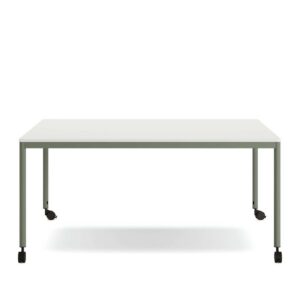
One of the biggest needs in training rooms is for tables to be easily moved and quickly put away when necessary. Wheeled folding tables directly address this need. These tables are typically produced in standard sizes like 180 cm x 75 cm and can be easily moved by even a single person thanks to their wheels. When folded, their depth reduces to 10-15 cm, allowing 10-15 tables to be stacked on top of each other in the same area for storage. Their load-bearing capacities generally range between 80 kg and 120 kg. These features enable the room to be transformed into an empty space in a short time or, conversely, quickly converted into a classroom setup. Furthermore, the table height being fixed between 72-74 cm provides an ergonomic working surface.
Stackable Chair: Where Comfort Meets Space Saving
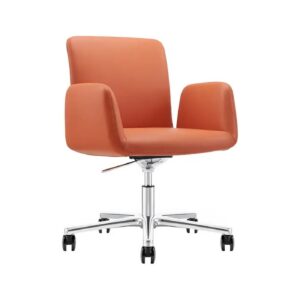
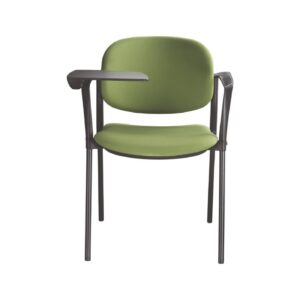
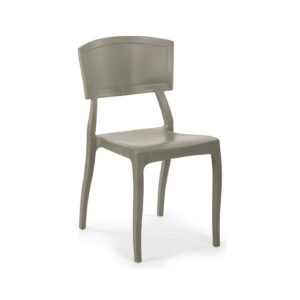
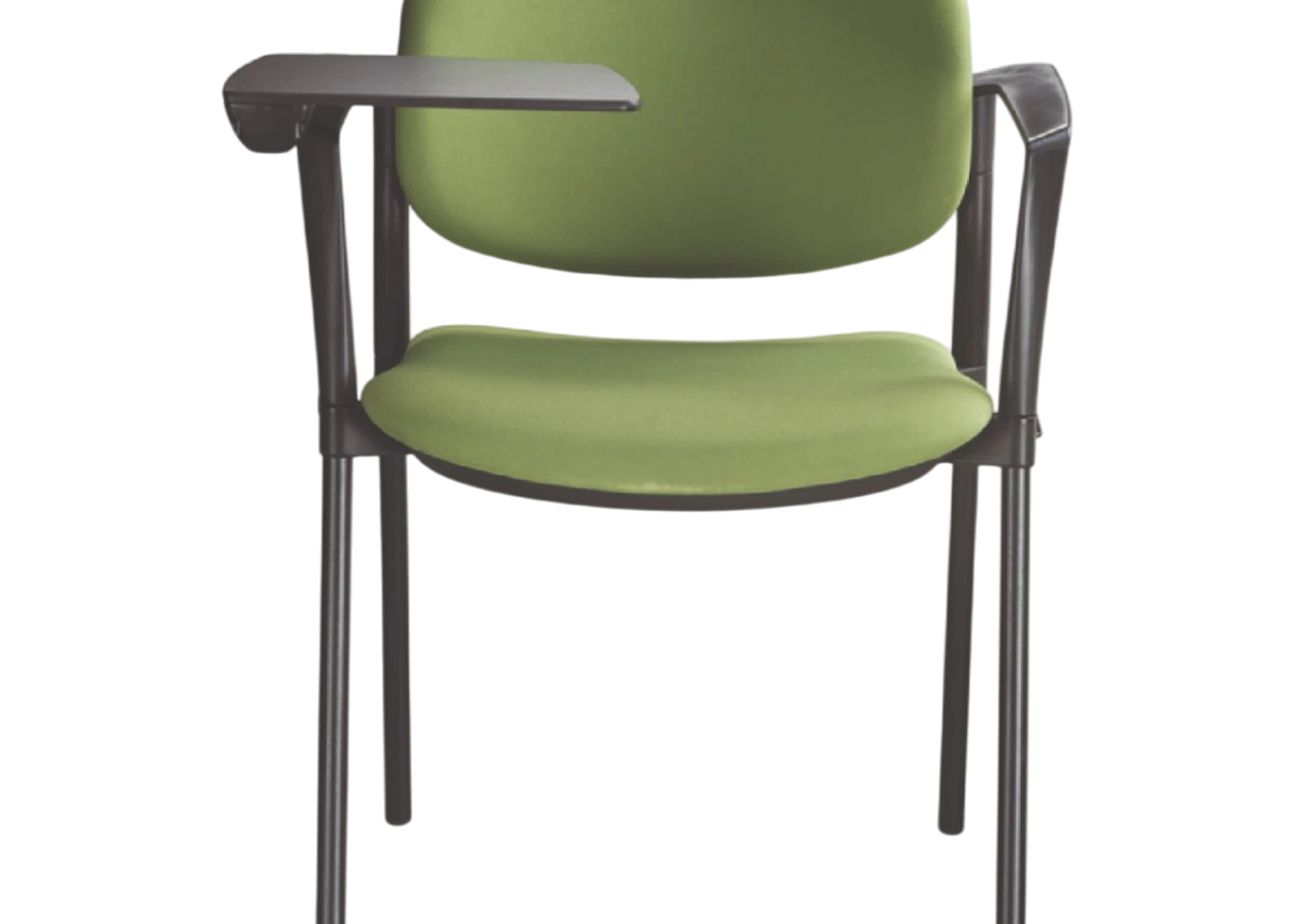
Stackable chairs, complementing folding tables, offer similar flexibility. A standard stackable chair takes up only as much space as one chair when 4-6 units are stacked. This means up to 80 percent savings in storage space. However, the important point here is not just that they are stackable, but also that they provide comfort during long sessions. For example, Set seating group like models, with their foam-padded seating surfaces and back support, do not tire the user even during 2-3 hour training sessions. In plastic or metal-framed models, the weight generally ranges between 4-6 kg, while in upholstered models, this weight can increase to 8-10 kg. Nevertheless, their stackability makes transport and storage easy. Additionally, rubber feet on the underside of the chairs prevent floor scratching and provide a non-slip surface.
Mobile Whiteboard: The Dynamic Center of Education
The mobility of whiteboards, which are central to presentations and explanations in training rooms, completes the flexibility of the room. Mobile whiteboards stand out with models offering double-sided use. They are generally available in sizes such as 120 cm x 90 cm or 180 cm x 100 cm. Thanks to their wheeled bases, the board can be moved to any point in the room or pulled to the wall when not in use. Magnetic surfaces allow paper or visual materials to be attached with magnets, while the erasable surface quality offers long-lasting use. In some models, the adjustable height of the board provides ergonomic use for instructors of different heights. Although the weight of these boards ranges between 15 kg and 25 kg, they are quite easy to move thanks to the wheels.
Practical Solutions for Different Seating Arrangements
Seating arrangements vary according to the purpose of the training room. For example, in a seminar, all participants might face the speaker, while in a workshop, they might need to sit in small groups. Wheeled folding tables and stackable chairs make this transformation possible within minutes. Different configurations such as classroom style (tables in rows, chairs in front), U-shape (tables in a U-shape, chairs outside), or theater style (only chairs in rows) can be seamlessly implemented thanks to the flexibility of the furniture. Here, it is important that the chairs are compatible with each other and share the same height standards. Models like Linea are designed for both office and training rooms and easily adapt to different arrangements with their minimalist structure.
Storage and Organization: Storing Furniture
The biggest advantage of flexible furniture is that it takes up little space when not in use. However, to fully benefit from this advantage, a storage strategy must be determined. Specially designed transport trolleys for stackable chairs allow 10-15 chairs to be moved simultaneously. Folding tables can be stored on wall-mounted shelves or in special table trolleys. This equipment requires creating a storage area right next to the room. Mobile whiteboards can be pulled to the wall or stacked when not in use. The size of the storage area should be planned based on the number of furniture; for example, a 10 square meter storage area is usually sufficient for a room for 50 people.
Comfort and Durability: Criteria for Long-Term Use
Training room furniture requires high durability due to frequent relocation and use by different users. Melamine-coated MDF or particle board used in tables should be resistant to scratches and stains. For chairs, the Martindale abrasion value of the upholstery fabric should be at least 30,000. Additionally, the steel tube wall thickness used in the chair frame should not be less than 1.5 mm. These criteria ensure that the furniture can be used for 5-10 years without deformation. In terms of comfort, the chair seat width should be at least 45 cm, and the depth should be between 40-45 cm. The backrest height of 35-40 cm is ideal. These measurements are sufficient for an average adult to sit comfortably.
Acoustic and Visual Comfort: Complementary Elements of the Environment
In addition to furniture, the acoustic and visual comfort of the training room should not be overlooked. Hard-surfaced folding tables and chairs can cause reverberation in the room. Therefore, using acoustic fabric in chair upholstery or adding sound-absorbing panels under tables can improve the room’s acoustic performance. In terms of lighting, the tabletop lighting level should be at least 500 lux. The positioning of the mobile whiteboard should also be planned to prevent reflection of natural light. All these factors directly affect the efficiency of training.
Conclusion
When designing a multi-purpose training room, the flexibility and functionality of the furniture should be prioritized. Wheeled folding tables, stackable chairs, and mobile whiteboards optimize space utilization by allowing the room to transform into different arrangements within hours. Criteria such as durability, comfort, and ease of storage should be considered when selecting this furniture. The right furniture combination increases the efficiency of the training room while also maximizing user satisfaction. It should be remembered that a flexible space forms the foundation for creative and effective training.