






12 August 2026
Waiting Area Furniture: Lounge Armchair and Coffee Table Sets
Why is the Right Furniture Selection Critical in Corporate Waiting Areas? A corporate firm's waiting area is your visitor's first physical contact with your brand....
Why is the Right Furniture Selection Critical in Corporate Waiting Areas?
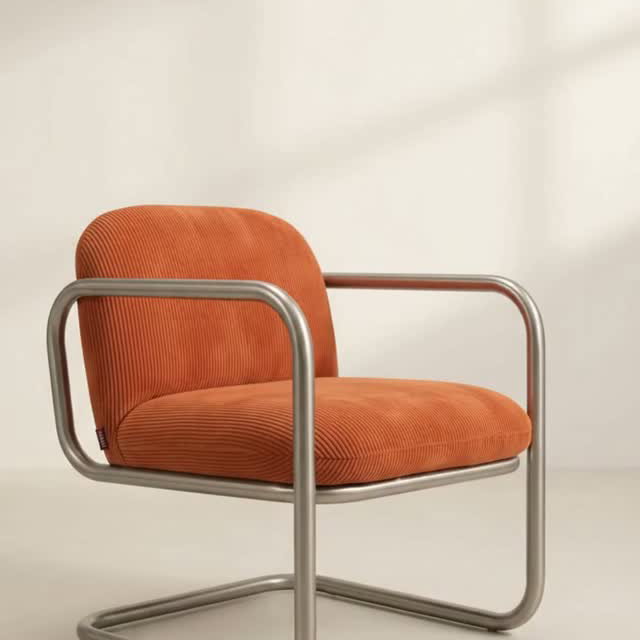
A corporate firm’s waiting area is your visitor’s first physical contact with your brand. This area must offer comfort, aesthetics, and durability simultaneously. However, in lobbies with high office traffic, the wear and tear on furniture often exceeds what standard office chairs can withstand. At this point, modular systems stand out with both their flexible placement options and material structures resistant to high circulation. Especially compact modules that take up less than 120 cm depth allow you to create seating arrangements without blocking passage even in narrow corridors.
Hygiene comes before aesthetics in waiting areas. In a lobby used by an average of 40-50 people daily, fabric surfaces can harbor dust and bacteria. Therefore, removable cover systems or antibacterial fabrics should be preferred. For example, an upholstery fabric with a 40,000 Martindale abrasion value is resistant to both intensive use and frequent cleaning. Furthermore, the use of high-density (HR) foam in seat cushions prevents loss of form even after an 8-hour workday and offers the user a consistent seating depth.
Modular Seating Systems: Flexibility and Space Optimization
Using modular pieces instead of single-piece giant sofas in waiting areas greatly facilitates space management. These systems adapt to different layout plans such as L-corner, island, or linear arrangements. Especially the Mass sofa series meets the comfort needs of an average adult with its 70 cm seating depth and 42 cm seating height. The static load capacity of 90 kg per module ensures no deformation even when a bag or laptop is placed on it. Furthermore, the connecting fittings between modules provide a secure stance even without being fixed to the floor; this allows furniture to be easily moved during cleaning.
One of the common problems encountered in corporate lobbies is that the seats do not fit perfectly against the wall line. This creates both a visual gap and causes small items (pens, business cards) to fall behind. Models with fully enclosed backs and concealed legs eliminate this problem. For example, the Comfort sofa series increases head and neck support by raising the backrest height to 78 cm, while its low-to-the-ground design makes the area appear spacious. The dust-resistant fabrics used in these types of models can be wiped with a damp cloth and dry in 15 minutes, making them ready for reuse during the day.
Fabric Selection: Balance of Cleanliness and Durability
In waiting area furniture, fabric selection directly affects both visual perception and maintenance costs. Light-colored and textured fabrics show dust less but have a high risk of staining. Dark-colored and plain-textured fabrics, on the other hand, retain their initial appearance but make pilling and dust accumulation more noticeable. Therefore, fabrics treated with water and oil repellent (oleophobic) finishes are an ideal middle ground. These fabrics ensure that spilled coffee or tea remains on the surface as droplets; thus, the stain can be absorbed with a paper towel before it penetrates the fabric fibers. Additionally, the breathability of the fabric is important; a fabric resistant to 5-8 mm water column pressure reduces sweating and increases comfort during long periods of sitting.
Coffee Table Combinations: Functionality and Aesthetic Harmony
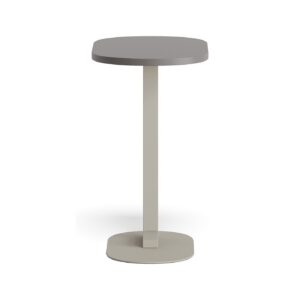
In waiting areas, coffee tables play as functional a role as armchairs. Surfaces where visitors can place drinks, phones, or magazines increase the usability of the area. However, the difference between coffee table height and seat height determines ergonomic comfort. If the seat height is 42 cm, the coffee table height should be between 38-40 cm. This 2-4 cm difference allows the user to access items without bending or raising their arm. Additionally, rubber or felt-covered coffee table legs prevent slipping on hard floors and reduce the noise of furniture movement.
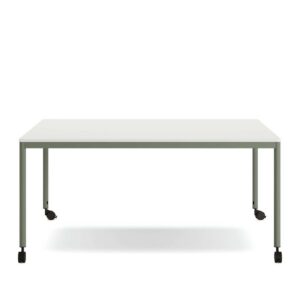
In compact offices, T04 Everyday Collection products offer an ideal balance as coffee tables with their 60×60 cm dimensions and 40 cm height. These measurements provide a width that both users can comfortably access when placed in the middle of a two-person seating group. The laminate or tempered glass top surface increases wipeability while also providing resistance against scratches. Especially glass surfaces, when tempered to 6 mm thickness, minimize the risk of breakage; this is an important safety detail for visitors with children.
Table and Chair Integration: Lobbies as Workspaces
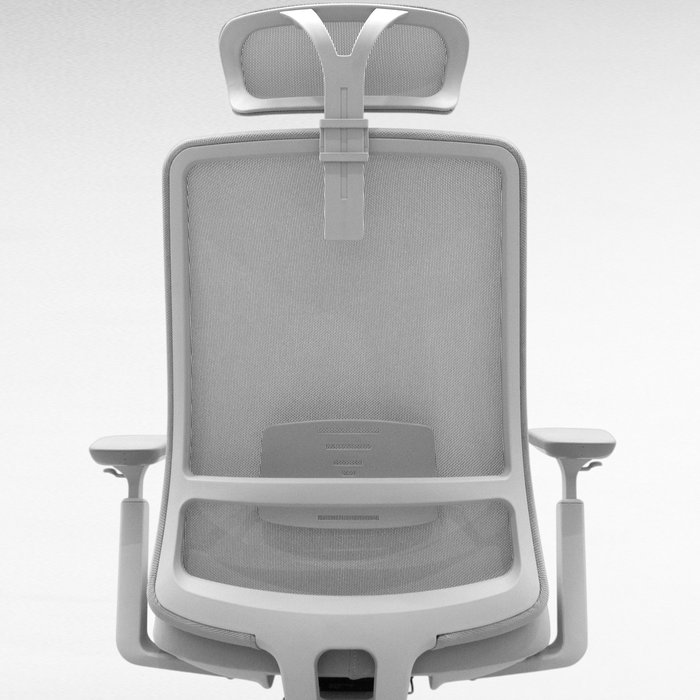
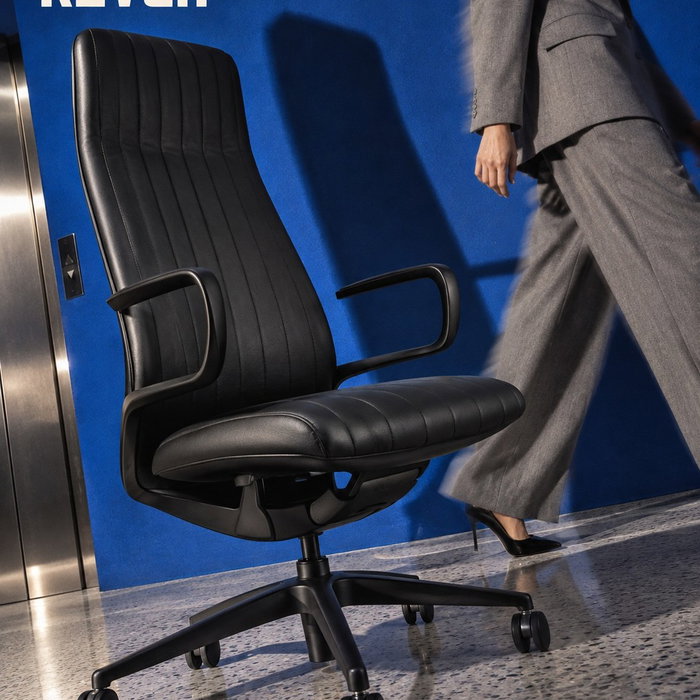
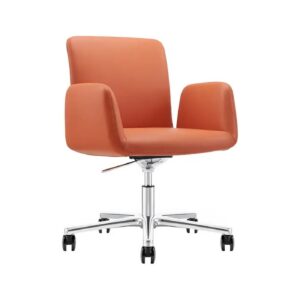
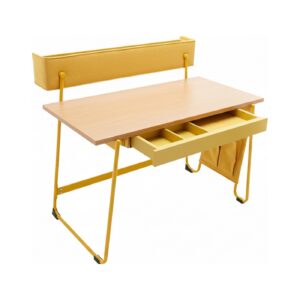
Today, many corporate lobbies are also designed as areas where visitors can work for short periods or open their laptops. Therefore, work desks and chairs integrated into the waiting area should be compatible with the main seating group. Here, high-backed and lumbar-supported chairs like the Lella executive chair protect spinal health even during 30-45 minute periods spent in the lobby. The chair having fixed legs instead of wheels increases mobility on carpeted floors while also reducing safety risks. Additionally, a seat surface width of 50 cm accommodates different body types and distributes pressure points during long periods of sitting.
The Psychological Effect of Enlarging Space: Color and Lighting
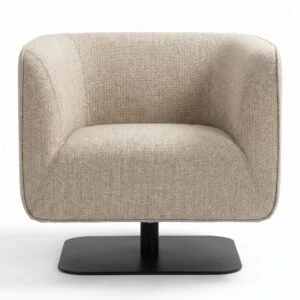
In waiting areas, the color and texture of the furniture directly affect the perceived size of the space. Light gray, beige, or pastel-toned armchairs integrate with the walls and floor, making the area appear larger. Dark-colored and matte-surfaced furniture, on the other hand, narrows the space; however, it creates a more luxurious and serious impression. Therefore, when determining the color palette suitable for your corporate identity, you should also consider the natural light intake of the space. In a lobby receiving 3-4 hours of natural light daily, light-colored armchairs reduce the lighting load by 15-20% through reflection. This contributes to energy saving.
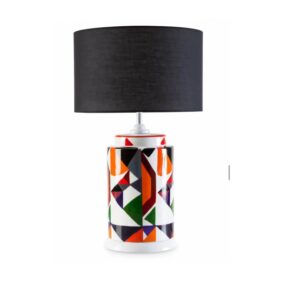
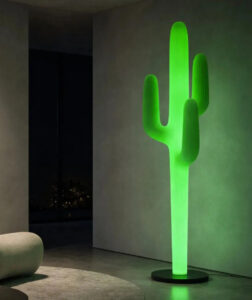
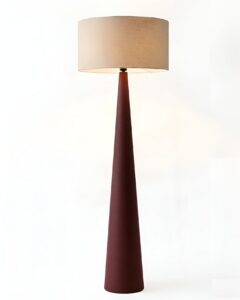
Lighting, in turn, determines the furniture’s potential to cast shadows. An illumination level of 400-500 lux is ideal for both reading and conversation; however, exceeding this value can cause uncomfortable reflections from the glossy surfaces of the armchairs. Therefore, a 60 cm high table lamp mounted on the coffee table creates an intimate atmosphere by emitting light at a temperature of 2700-3000 Kelvin. Additionally, floor sconces placed behind the armchairs create a soft halo of light on the wall, increasing the sense of depth in the space.
Longevity and Warranty Conditions in Modular Systems
In corporate furniture investments, another factor as important as cost is the product’s lifespan. The use of pine or beech wood for the wooden frames in modular seating systems determines their resistance to changes in humidity and temperature. For example, beech wood dried to 12% moisture content maintains its form for years without bending or cracking. Additionally, electrostatic powder coating on metal legs provides double protection against scratches. These details also affect the product’s warranty period; most professional manufacturers offer a 5-year warranty for the frame and mechanism, and a 2-year warranty for the upholstery fabric. These periods provide an idea about the product’s quality.
In waiting areas subjected to heavy use, the availability of spare parts is also a critical issue. The ability to replace a single armrest or cushion in modular systems prevents the need to renew the entire unit. Therefore, during the purchase phase, it is necessary to inquire about the manufacturer’s spare parts stock and delivery time. For example, in modular systems like Duoflex, the ability to order back and seat modules separately facilitates budget planning. Furthermore, the possibility of using different color and fabric options on the same frame allows you to address the need for refreshing the area in future years simply by changing the fabric.
Transportation and Installation: Logistics Planning
The installation of waiting area furniture should often be done outside office hours. Therefore, modular pieces must be able to pass easily through an 80 cm door width and fit into an elevator. Seating systems that can be disassembled into parts largely solve this logistical problem. For example, a chair with a detachable backrest and seat unit can be reduced to 60x60x70 cm dimensions; this lowers transportation costs and speeds up assembly. Additionally, wheeled transport devices or strap systems ensure that furniture can be moved without scratching.
The short assembly time also increases operational efficiency. The ability for two people to assemble a four-module L-corner sofa group in 45 minutes allows for installation without disrupting office use. The quality of the fasteners (screws, confirmat) used in this process prevents future loosening and creaking noises. Stainless steel or phosphate-coated screws do not corrode even in humid environments and remain tight for 10 years.
Conclusion
The use of modular armchairs and coffee tables in corporate waiting areas is a long-term investment in terms of space management and hygiene. Correct fabric selection, ergonomic dimensions, and a flexible modular structure positively affect both visitor satisfaction and brand perception. The abrasion resistance and cleanability of the furniture are decisive factors for ensuring daily operations continue without interruption. A choice made considering these elements will make your waiting area functional