









30 January 2026
What is Genuine Leather? Does Genuine Leather Cause Sweating? What Does 1st Class Leather Mean?
Genuine leather, with its natural structure, breathability, and long lifespan, is one of the most preferred upholstery materials for office and home furniture, including options from Turkey office furniture manufacturers. In this guide, we cover the natural leather production process, its tendency to cause sweating, differences from artificial leather, and whether genuine leather has an odor, from both technical and practical perspectives.
Table of Contents
- What is Genuine Leather?
- How is Natural Leather Produced?
- Does Upholstery Natural Leather Cause Sweating?
- Differences Between Genuine Leather and Artificial Leather
- Does Genuine Leather Smell?
- The Importance of Leather in Furniture Selection
- Frequently Asked Questions
What is Genuine Leather? Natural Leather Production and Differences from Artificial Leather
1. What is Genuine Leather?
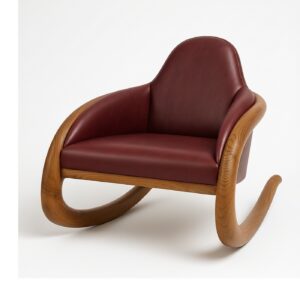
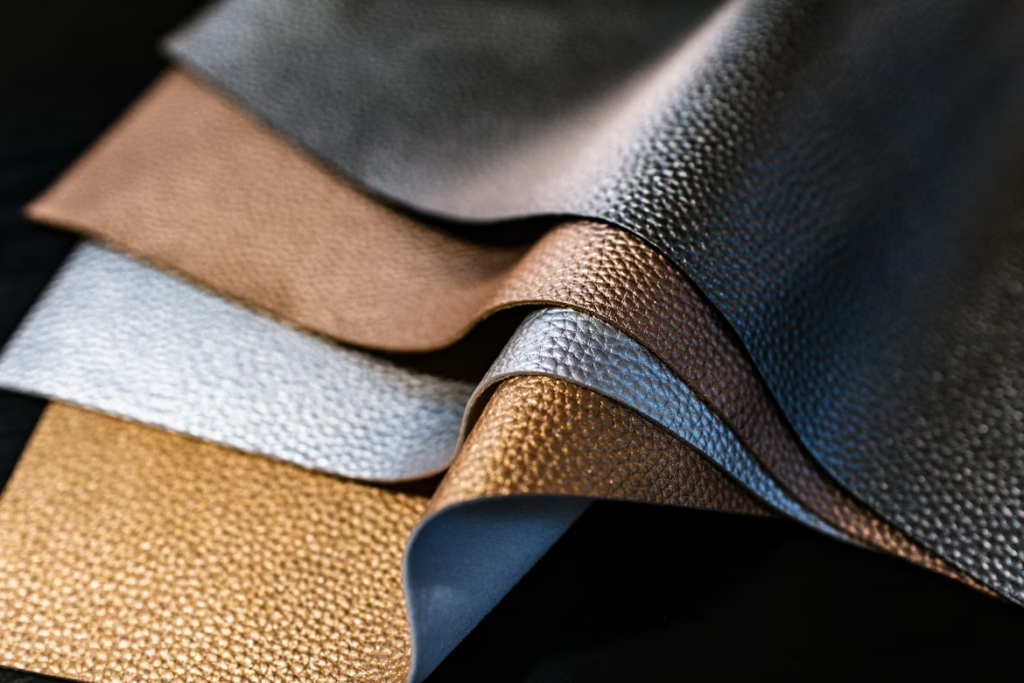
Genuine leather is a natural material obtained by tanning the hides of animals such as cattle, sheep, or goats to make them durable and usable. It contains no synthetic content and is breathable due to its porous structure.
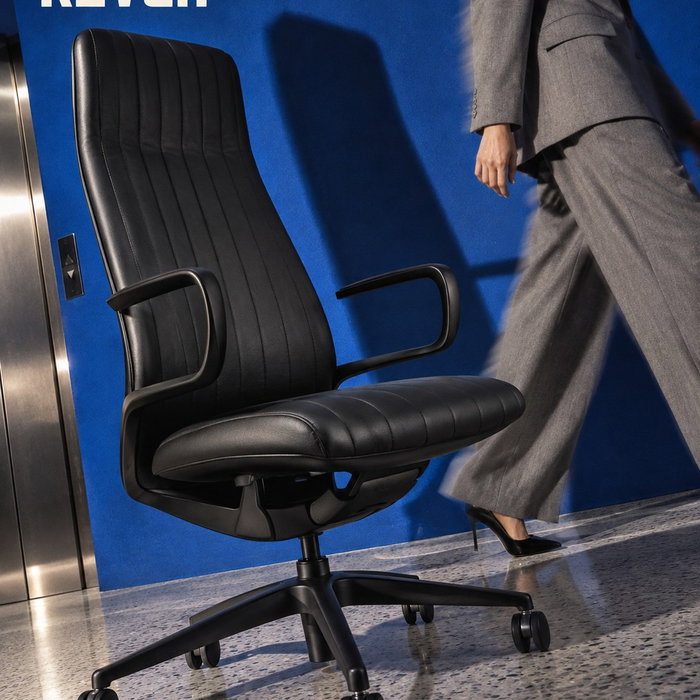
Especially used in office chairs, executive furniture, and prestigious seating groups, genuine leather is preferred in corporate settings for its long-lasting nature, a key consideration for those seeking quality Turkey office furniture.
High-quality genuine leather can maintain its form and comfort for up to 25 years with proper care.
2. How is Natural Leather Produced?
::contentReference[oaicite:0]{index=0}Natural leather production is a multi-stage process aimed at transforming raw hide into a durable and aesthetic product. The primary goal of this process is to prevent the leather from decaying and to improve its physical properties.
2.1 Preservation of Raw Hide
Raw hides obtained after slaughter are salted to prevent spoilage. This process prevents damage to the leather fibers.
2.2 Cleaning and Hair Removal
Hair, fat, and tissue residues on the hide are removed with chemical baths. This stage ensures the leather achieves a homogeneous surface.
2.3 Tanning Process
Tanning is the most critical stage of genuine leather production. Chrome tanning is generally preferred in the furniture industry. This method yields flexible, soft, and durable leather.
2.4 Dyeing and Surface Treatments
In the final stage, the leather is colored and surface coatings are applied. For high-quality natural leathers, surface coating is kept to a minimum.
Leathers with a completely plastic-coated surface lose their breathability.
3. Does Upholstery Natural Leather Cause Sweating?
Upholstery natural leather is breathable due to its porous structure. Therefore, it causes much less sweating during long periods of sitting compared to artificial leather.
However, ambient temperature, the type of leather used, and the thickness of the surface coating can affect the sensation of sweating.
For long-term office use, semi-aniline or aniline leather should be preferred, a common recommendation for ergonomic office design in Turkey.