













1 July 2026
What to Do When Your Chair Piston (Gas-Lift) Breaks Down
The gas lift mechanism (piston), one of the most critical parts of an office chair, can lose its function over time. This situation can lead to problems such as the chair height not remaining fixed...
The gas lift mechanism (piston), one of the most critical parts of an office chair, can lose its function over time. This situation leads to problems such as the chair height not remaining fixed, sudden drops, or complete failure to rise. In this guide, we will cover the symptoms of piston failure, how you can replace it yourself, and in which situations you should seek professional help, step by step.
Piston Lifespan and Failure Symptoms
A standard office chair gas lift is designed to last an average of 3 to 5 years with 8 hours of daily use. However, user weight, ambient temperature, and the quality of the mechanism directly affect this duration. The main symptoms indicating that the piston has reached the end of its life are:
- Sudden Drop: If the chair drops to its lowest level within a few seconds of you sitting on it, internal pressure loss is occurring. This is the most common sign of a gas leak.
- Inability to Maintain Height: If the chair slowly slides down even after you pull and release the lever, the valve mechanism may be damaged. In this case, piston replacement is inevitable.
- Difficulty or Complete Failure to Rise: If there is no movement when you pull the lift lever, the piston is completely blocked. This is usually caused by a mechanical jam or broken internal parts.
- Abnormal Noises: Hearing squeaking, metal rubbing, or explosion-like sounds when the chair rises or lowers indicates that the piston rod is bent or the seal system is damaged.
DIY Replacement Steps
Piston replacement can be completed within 15-20 minutes with the right equipment and knowledge. Before starting, make sure you have a screwdriver, rubber mallet, and a spare piston. Follow the steps carefully:
- Disassemble the Chair: First, turn the chair upside down. Unscrew the 4 bolts (usually with a Phillips screwdriver or a 13 mm socket wrench) that connect the chair seat to the mechanism. If there is a metal plate between the seat and the mechanism, remove that too.
- Separate the Old Piston: The upper part of the piston sits tightly in the mechanism housing. To separate this part, gently tap the sides of the housing with a rubber mallet. The lower part of the piston is attached to the 5-star base. To separate this connection, secure the base to the floor and pull the piston by twisting it sideways. If it doesn’t come off, spray WD-40 and wait 10 minutes.
- Install the New Piston: Place the lower part (thin end) of the new gas lift into the hole in the 5-star base. Then, seat the upper part (thick end) into the mechanism housing. To fully seat the piston into the housing, turn the chair seat upside down and gently press down on it. Ensure the mechanism is in the correct position.
- Mount the Seat: Place the chair seat onto the mechanism plate and tighten the bolts you previously removed. Tightening the bolts in a cross pattern ensures the seat is stable.
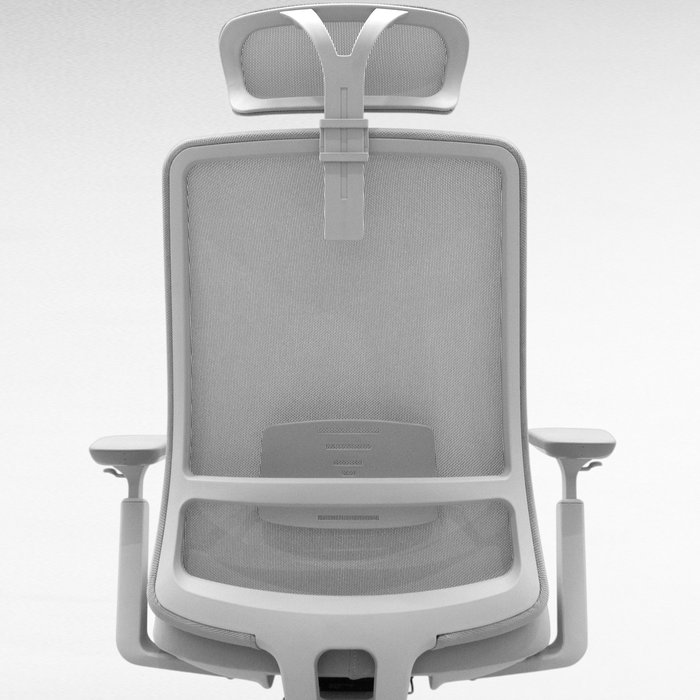
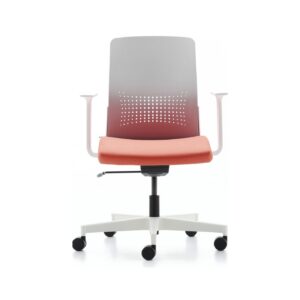
After replacement, test the chair. If the height adjustment works properly and there are no leaks, the process is successful. This type of intervention is particularly practical for modular office chairs (in models like the Arico Office Chair).
When to Call Technical Service?
It may not be appropriate to intervene yourself in all cases. It is recommended to seek help from a professional technician in the following situations:
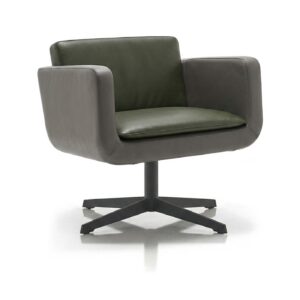
- Mechanism Complexity: Some high-end office chairs have synchronized mechanisms or multi-functional control systems. In models like Libra, incorrect intervention during piston replacement can lead to the entire mechanism block breaking down.
- Broken or Damaged Parts: If the piston rod is bent, the base housing is cracked, or there are broken plastic parts inside the mechanism, it is difficult to remove these parts by yourself. In this case, calling for service might be more economical.
- Warranty Coverage: If your chair is still under warranty (usually 2-5 years), intervening yourself will void the warranty. It is best to check the warranty terms and call authorized service.
Which Brand Compatibility?
Although gas lifts are produced in standard sizes (generally 200 mm stroke, 28 mm diameter), some brands use their own unique connection systems. Points to consider regarding compatibility:
- Stroke Length: This is the up-and-down movement distance of the piston. The standard stroke for office chairs is 200 mm. However, tall models may use 250 mm, and low models 150 mm stroke. Measure your chair’s current stroke length.
- Mounting Diameter: The lower and upper connection diameters of the piston may differ. The lower part is usually 27-28 mm, and the upper part is 22-23 mm in diameter. Make sure the piston you purchase matches these measurements.
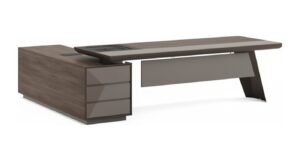
- Brand-Specific Connections: Some brands (such as Steelcase, Herman Miller, Humanscale) use their own patented connection systems. In this case, a standard piston may not fit. While modular systems are known to be common in office furniture, the compatibility rate with mechanisms used in products like the X1 Office Desk is high.
When purchasing a replacement piston, check the label on your existing piston. If there is a classification like “Class 3” or “Class 4” on it, this indicates the piston’s load capacity (Class 3: 100-120 kg, Class 4: 120-150 kg). Choose a piston of the same or higher class.
Conclusion
Although chair piston failure can be annoying for most users, it can be resolved with correct diagnosis and a simple replacement process. Early detection of failure symptoms extends the lifespan of your chair and prevents larger mechanical problems. In complex situations where you cannot intervene yourself, obtaining technical service support is more advantageous in terms of both time and cost. Do not neglect piston maintenance to preserve the comfort and functionality of your office chair.