















7 April 2026
Zero Waste Office: Eco-Friendly Material and Implementation Guide
Today, companies are evaluated not only by their economic success but also by their environmental responsibility. Adopting a 'zero waste office' concept is both a significant step for our planet and a strategic decision that strengthens your brand image. This guide provides comprehensive information on minimizing waste production in your office and implementing eco-friendly practices. From sustainable material selection to energy efficiency, Kavela.furniture's expertise will guide you.
Quick Answer: A zero-waste office is an approach that aims to minimize waste production and use resources efficiently; this is achieved by selecting recyclable, reusable, and compostable materials, saving energy, and establishing responsible supply chains.
Environmental sustainability has become one of the most important agendas in today’s business world. Establishing a zero-waste office is an effective way for companies to fulfill their corporate social responsibilities and simultaneously reduce operational costs. The zero-waste philosophy aims to reduce waste production as much as possible, use resources efficiently, and create a circular economy. As Kavela.furniture, we offer eco-friendly office furniture and sustainable design solutions to support you in this green transformation. In this guide, we will examine in detail the eco-friendly materials and practices you can use to achieve a zero-waste goal in your office. For sustainable decoration ideas in your office, you can check out our article Sustainable Decoration in Home Office, a growing trend in Turkey office furniture.
Zero Waste Philosophy and Its Meaning for Offices
The Zero Waste philosophy is based on the principles of ‘Refuse, Reduce, Reuse, Recycle, Rot’. Applying these principles in an office environment means avoiding single-use products, reducing consumption, re-evaluating existing resources, and properly sorting waste. A zero-waste office not only reduces the amount of trash but also lowers the carbon footprint by saving energy and water. This approach increases environmental awareness among employees and strengthens the company’s commitment to sustainability. This also forms the basis of a healthier and more inspiring work environment, often integrated into ergonomic office design.
Eco-Friendly Material Selection: From Furniture to Stationery
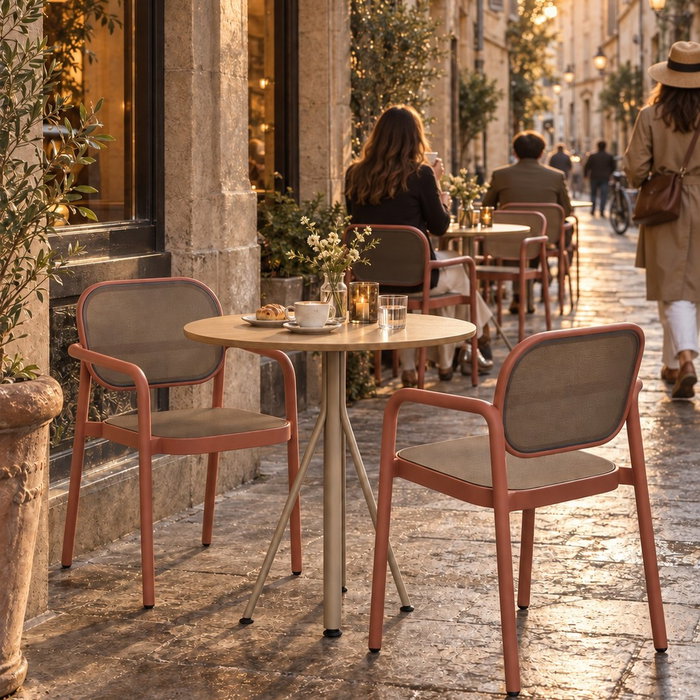
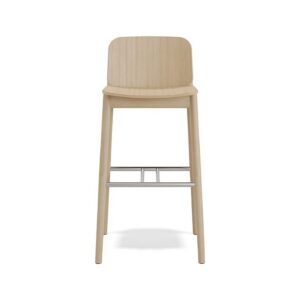
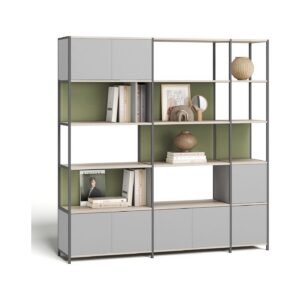
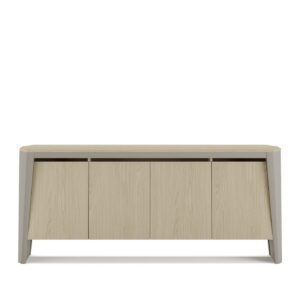
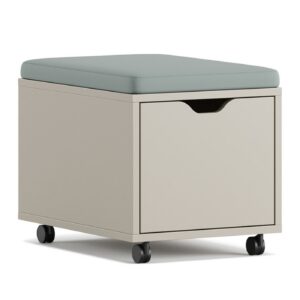
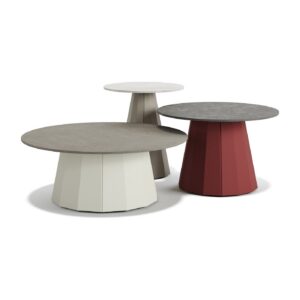
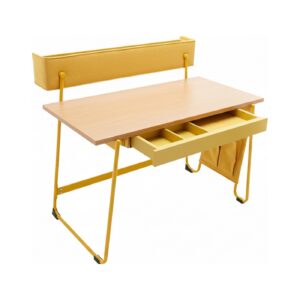
One of the fundamental steps in creating a zero-waste office is ensuring that the materials used are eco-friendly. When choosing furniture, priority should be given to materials such as recycled wood or wood obtained from sustainable forests. At Kavela.furniture, we offer a wide range of options for sustainable office furniture selection. The durability of furniture is also an important factor; long-lasting products eliminate the need for frequent replacement, preventing waste generation. For stationery, recycled paper products, refillable pens, and plastic-free alternatives should be preferred. Cleaning products should also be biodegradable and contain non-toxic ingredients, a key consideration for home office ideas.
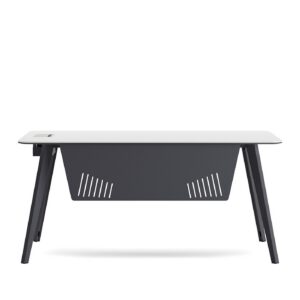
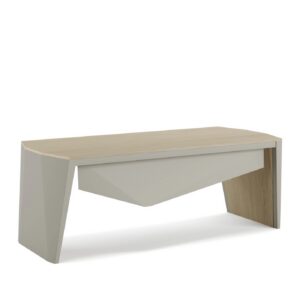
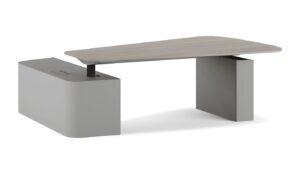
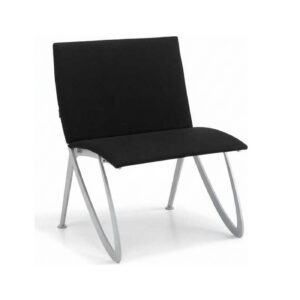
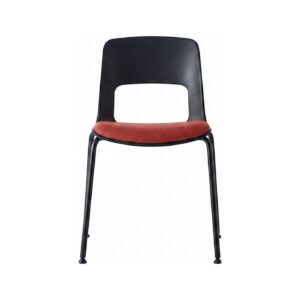
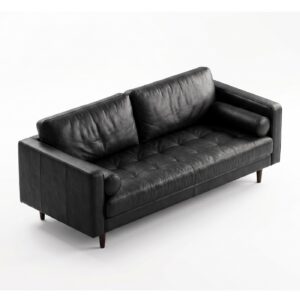
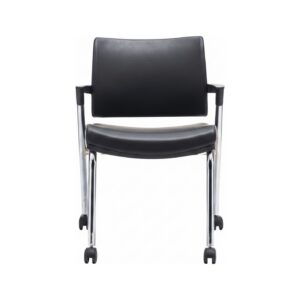
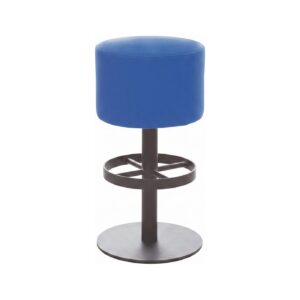
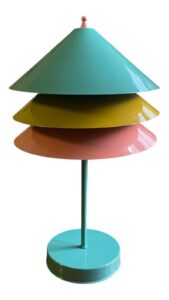
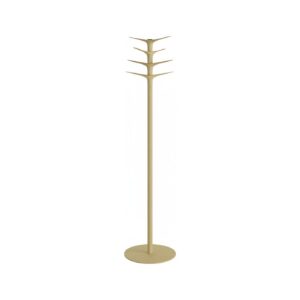
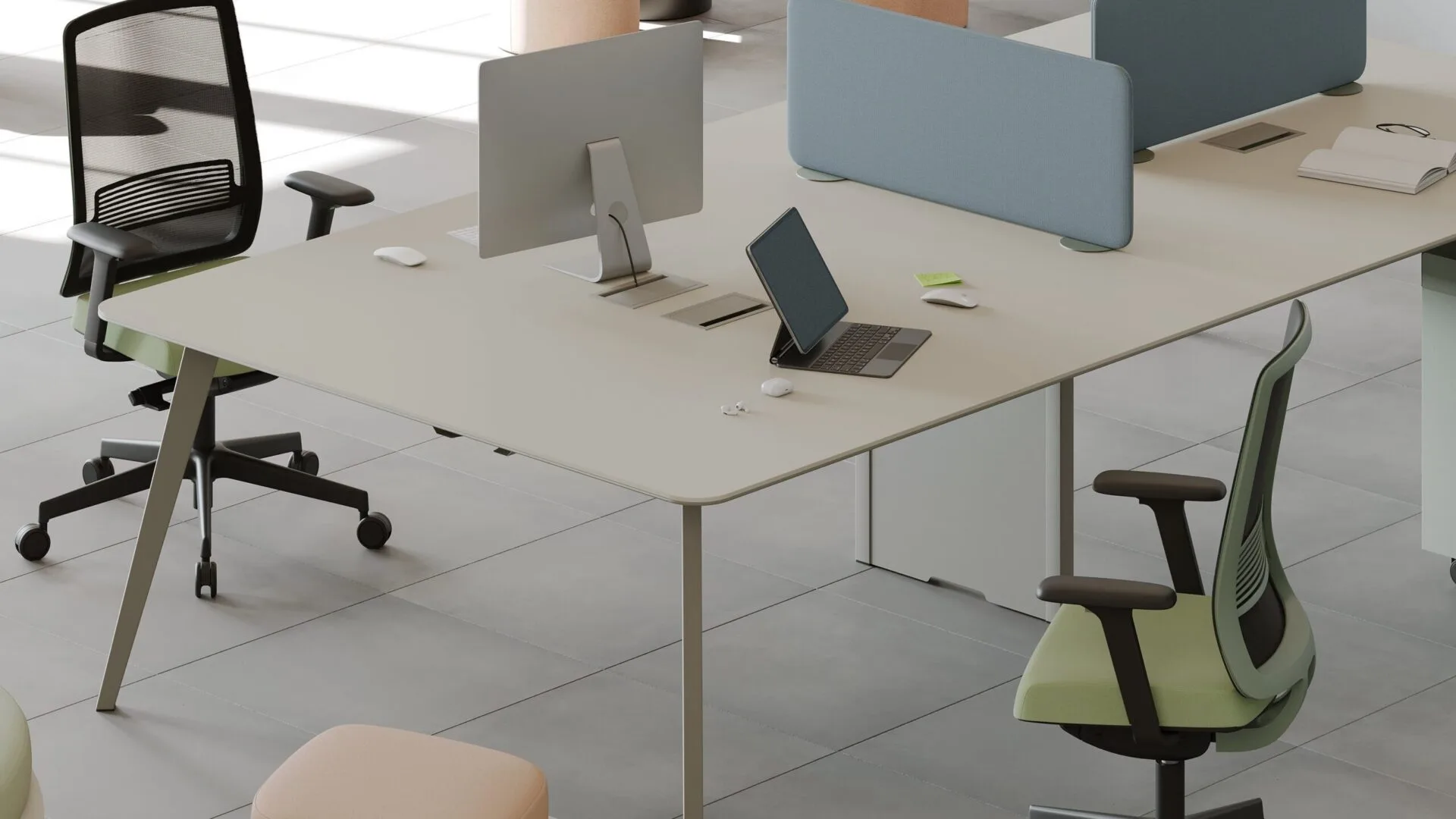
Image: Office furniture made from sustainable materials
Waste Management and Recycling Systems
Effective waste management is indispensable for a zero-waste office. Setting up easily accessible recycling stations within the office encourages waste separation. Providing separate bins for paper, plastic, glass, metal, and organic waste makes it easier for employees to sort correctly. Additionally, establishing composting systems for food waste helps return organic waste to nature. For electronic waste (e-waste), special collection points should be created, and cooperation with authorized recycling facilities should be established. These systems minimize environmental damage by preventing waste from going to landfills, a crucial aspect of sustainable office design in Turkey.
Energy and Water Saving Practices
The zero-waste office concept is not limited to physical waste; it also encompasses the efficient use of energy and water resources. Using energy-efficient lighting (LED lamps), smart thermostats, and energy-saving office equipment significantly reduces electricity consumption. Simple habits like turning off computers and other electronic devices when not in use or putting them in sleep mode can make a big difference. For water conservation, low-flow faucets, sensor-activated toilets, and rainwater harvesting systems can be considered. Biophilic office design can help reduce energy consumption by maximizing natural light and airflow, aligning with ergonomic office design principles.
“Zero waste is not just about reducing trash, but also about honoring resources and investing in the future.”
Making Procurement Sustainable: Reduce and Reuse
Preventing waste generation from the outset is the most important step in the zero-waste philosophy. This requires reviewing the supply chain and working with sustainable suppliers. By making bulk purchases, packaging waste